


You’re standing in the oral care aisle, staring at dozens of toothpastes, brushes, and rinses, each promising a brighter smile or healthier gums. With a packed schedule, you need products that work fast and fit your life, but how do you separate genuine innovation from marketing hype? The good news is that choosing safe, effective oral care doesn’t require a dental degree. By understanding a few key benchmarks and matching products to your specific needs, you can build a routine that protects your teeth, saves time, and gives you confidence in every smile.
Table of Contents
- Know what matters: The essentials for safe and effective oral care
- Step-by-step: How to choose the best oral care products for your needs
- Optimize for efficiency: Time-saving picks for busy lifestyles
- Avoid common mistakes: Safety notes and tips for the smartest choices
- Smarter oral care made simple with Y-Brush
- Frequently asked questions
Key Takeaways
| Point | Details |
|---|---|
| Look for the ADA seal | Choose products with the ADA Seal of Acceptance to verify safety and effectiveness. |
| Match product to your needs | Select your toothpaste, brush, floss, and rinse based on your dental goals, sensitivity, and schedule. |
| Prioritize efficient features | Electric brushes, built-in timers, and water flossers streamline your routine for better consistency. |
| Avoid common mistakes | Use gentle products, avoid overuse of abrasive formulas, and follow recommended routines. |
| Consult professionals | Always check with your dentist for personalized advice if you have concerns or special conditions. |
Know what matters: The essentials for safe and effective oral care
Let’s start by understanding the non-negotiables for everyone seeking both safety and efficacy. When evaluating any oral care product, the first thing to check is whether it carries the ADA Seal of Acceptance. This seal verifies that toothpastes, toothbrushes, floss, mouthwashes, and other products meet rigorous safety and effectiveness standards based on scientific evidence. It’s your shortcut to knowing that claims like cavity prevention, plaque removal, and gingivitis reduction are backed by real testing, not just clever advertising.
Beyond the seal, certain ingredients and specifications matter more than others. For toothpaste, fluoride is the gold standard for cavity prevention. Look for formulations with around 0.05 mg/kg/day optimal fluoride for children and standard concentrations for adults. The Relative Dentin Abrasivity (RDA) score should be 250 or lower to avoid enamel wear. Avoid products with added sugar, which defeats the purpose of brushing. If you have sensitivity, whitening goals, or gum concerns, choose specialty formulas designed for those needs.
For toothbrushes, soft bristles are universally recommended to minimize gingival abrasion while still removing plaque effectively. A small head improves reach to back molars and tight spaces. Whether you choose manual or electric, both work well if used for two minutes twice daily, but electric models often include built-in timers and pressure sensors that make consistency easier. Replace your brush or brush head every three to four months, or sooner if bristles fray.
Pro Tip: When shopping, ignore vague claims like “natural” or “clinically tested” without the ADA Seal. These terms aren’t regulated and don’t guarantee safety or effectiveness. Stick to products with verifiable credentials.
Floss and mouthwash also have key markers. For floss, waxed or unwaxed string floss remains the gold standard for removing plaque between teeth. Water flossers are helpful for people with braces or sensitive gums but are less effective than string floss for most users. For mouthwash, therapeutic rinses with fluoride or antimicrobial agents like cetylpyridinium chloride offer real health benefits, while cosmetic rinses only freshen breath temporarily. Alcohol-free options reduce irritation and are ideal for sensitive mouths or children.
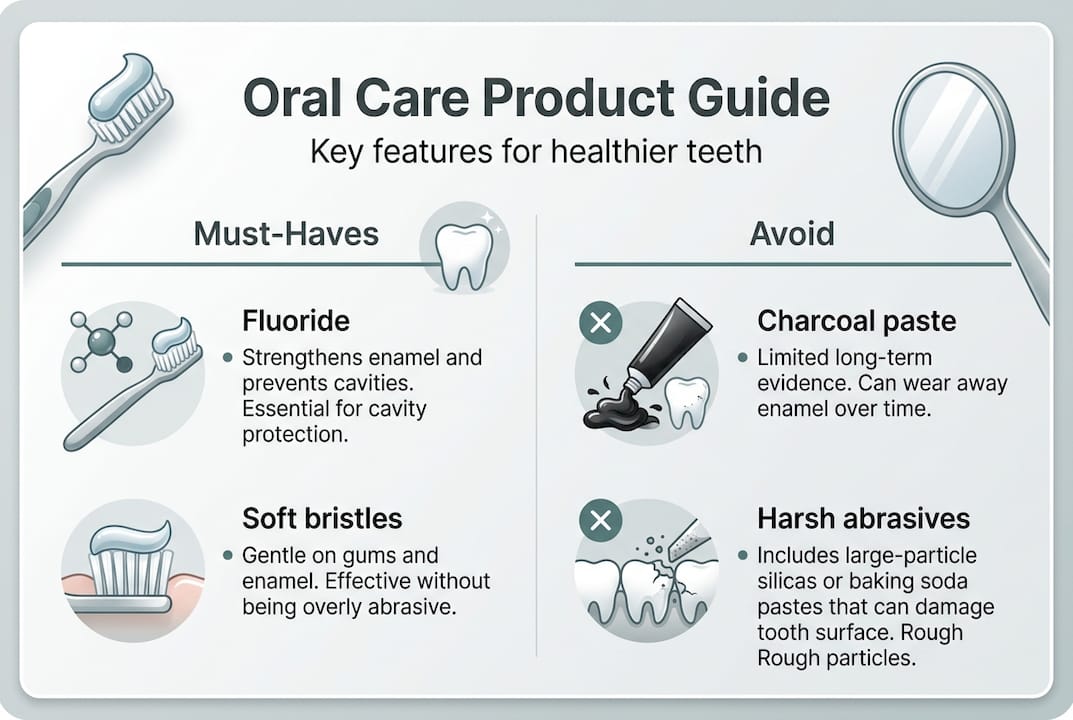
Common marketing traps include charcoal toothpastes, which lack evidence of effectiveness and may be too abrasive, and products with sodium lauryl sulfate (SLS) that can trigger canker sores in susceptible individuals. If you experience frequent mouth ulcers, switch to an SLS-free formula. For children, use a rice-sized amount of fluoride toothpaste for kids under three and a pea-sized amount for ages three to six, always supervising to prevent swallowing.
Building efficient oral routines starts with understanding what actually protects your teeth. The ADA Acceptance program provides detailed criteria for each product category, so you can verify claims before you buy.
| Product Type | Key Safety Markers | What to Avoid |
|---|---|---|
| Toothpaste | ADA Seal, fluoride, RDA ≤250 | Sugar, charcoal, high abrasivity |
| Toothbrush | Soft bristles, small head, ADA Seal | Hard bristles, large heads |
| Floss | ADA Seal, waxed or unwaxed string | Unproven alternatives |
| Mouthwash | Therapeutic ingredients, alcohol-free options | Cosmetic-only rinses |
Step-by-step: How to choose the best oral care products for your needs
Now that you know what signals genuine safety and effectiveness, let’s break down how to actually make the right picks every time. Start with toothpaste, the foundation of your routine. Choose fluoride-containing formulas with an RDA of 250 or less to avoid enamel wear. If you have sensitivity, look for potassium nitrate or stannous fluoride, which block pain signals and strengthen enamel. For whitening, select ADA-accepted products that use gentle abrasives or peroxide to lift stains without damaging teeth. Avoid sugar and be cautious with charcoal, which lacks evidence and may scratch enamel.
- Identify your primary need: cavity prevention, sensitivity relief, whitening, or gum health.
- Check the ADA Seal to confirm the product delivers on its claims.
- Read the ingredient list for fluoride, therapeutic agents, and potential irritants like SLS.
- Match the RDA to your enamel health, staying at or below 250 for daily use.
- Test and adjust if you experience irritation or don’t see results after a few weeks.
For toothbrushes, the choice between manual and electric depends on your habits and preferences. Soft bristles are recommended to minimize gingival abrasion, and a small head ensures you can reach every surface. Manual brushes work well if you have good technique and brush for the full two minutes twice daily. Electric brushes, especially sonic or oscillating models, often remove more plaque and include features like timers, quadrant pacers, and pressure sensors that improve consistency. Replace manual brushes every three to four months or electric heads when bristles fray. For busy lifestyles, electric models with built-in timers and tracking apps make it easier to maintain effective habits.

Floss options vary by dexterity, orthodontic needs, and personal preference. String floss, whether waxed or unwaxed, is the gold standard for removing plaque and food particles between teeth. If you have braces, bridges, or tight contacts, consider floss threaders or interdental brushes for better access. Water flossers are helpful for people with limited dexterity or sensitive gums, but they’re less effective than string floss for most users. Choose what you’ll actually use daily, because consistency matters more than the specific tool.
Mouthwash falls into two categories: therapeutic and cosmetic. Therapeutic rinses contain active ingredients like fluoride, cetylpyridinium chloride, or essential oils that fight cavities, reduce plaque, or soothe gum inflammation. Cosmetic rinses only freshen breath temporarily without health benefits. Use mouthwash last in your routine, after brushing and flossing, to maximize contact time with your teeth and gums. Alcohol-free options reduce irritation and are safer for children and people with dry mouth or canker sores.
Comparing manual vs electric toothbrushes reveals that both can be effective, but electric models often deliver superior plaque removal with less effort. An oral hygiene checklist helps you track daily habits and ensure you’re covering all the essentials. For those with braces, specialized oral care for braces includes interdental brushes, floss threaders, and water flossers to navigate wires and brackets.
| Product | Best For | Key Features | Replacement Timing |
|---|---|---|---|
| Manual toothbrush | Budget-conscious, good technique | Soft bristles, small head | Every 3-4 months |
| Electric toothbrush | Busy lifestyles, plaque removal | Timer, pressure sensor, sonic/oscillating | Heads every 3-4 months |
| String floss | Daily interdental cleaning | Waxed or unwaxed, ADA Seal | N/A |
| Water flosser | Braces, sensitive gums | Adjustable pressure, multiple tips | N/A |
| Therapeutic mouthwash | Cavity prevention, gum health | Fluoride, antimicrobial agents | N/A |
Optimize for efficiency: Time-saving picks for busy lifestyles
With an understanding of foundational choices, let’s focus on what makes oral care truly efficient and sustainable for busy lives. Features like sonic power, built-in timers, and quadrant pacers save time without sacrificing results. Electric toothbrushes often deliver superior plaque removal in lab tests, with top models like the Oral-B iO Series and Philips Sonicare offering two-minute timers, quadrant pacers, and pressure sensors that enhance efficiency for busy users. These tools ensure you’re brushing long enough and applying the right amount of pressure, even when you’re rushing through your morning routine.
Subscription services for brush heads and sustainable materials reduce the hassle of remembering to replace worn bristles. Many brands now offer eco-friendly handles made from bamboo or recycled plastic, along with compostable or recyclable heads. This approach not only saves time but also aligns with environmental values, making it easier to maintain your routine without guilt.
Smart toothbrushes with built-in tracking apps take consistency to the next level. These devices sync with your smartphone to log brushing duration, coverage, and pressure, providing real-time feedback and long-term trends. For people who struggle with habit formation or want to monitor their children’s brushing, this technology offers accountability and motivation. Some models even gamify the experience, turning oral care into a fun challenge rather than a chore.
Water flossers and alcohol-free rinses fit seamlessly into high-speed routines. Water flossers clean between teeth in seconds, making them ideal for people with braces, implants, or limited dexterity. Alcohol-free mouthwashes reduce irritation and dry mouth, allowing you to rinse quickly without discomfort. Both options deliver health benefits without adding significant time to your routine.
Pro Tip: Invest in a quality electric toothbrush with a long battery life and multiple brush head options. This single purchase can serve your entire family with personalized settings and heads, maximizing value per minute spent on oral care.
When deciding where to spend versus save, prioritize your toothbrush and toothpaste. A high-quality electric brush with proven plaque removal and an ADA-accepted fluoride toothpaste form the core of effective care. You can save on floss and mouthwash by choosing store brands with the ADA Seal, which perform just as well as premium options. The key is balancing efficiency with effectiveness, ensuring every product you use contributes to your oral health without wasting time or money.
For fast oral care routines, focus on tools that automate timing and pressure. Dental essentials for busy people include electric brushes, water flossers, and subscription services that eliminate decision fatigue. Exploring smart toothbrushes reveals how technology can transform your routine from a chore into a seamless part of your day.
- Electric toothbrushes with timers and pressure sensors ensure consistent, effective brushing in two minutes.
- Subscription services for brush heads eliminate the need to remember replacements.
- Smart tracking apps provide accountability and motivation for building lasting habits.
- Water flossers clean between teeth quickly, ideal for braces or sensitive gums.
- Alcohol-free mouthwashes reduce irritation while delivering therapeutic benefits.
Avoid common mistakes: Safety notes and tips for the smartest choices
Efficiency and innovation are ideal, but safety and best practice should always come first. Here’s what to avoid and how to finish strong. Overusing whitening products, especially those with high abrasivity or peroxide concentrations, can damage enamel and increase sensitivity. Stick to ADA-accepted whitening toothpastes and use them as directed, typically once or twice daily. If you experience pain or increased sensitivity, switch to a gentler formula and consult your dentist.
Sodium lauryl sulfate (SLS) is a common foaming agent in toothpaste that can trigger canker sores in susceptible individuals. If you experience frequent mouth ulcers, choose an SLS-free toothpaste to see if symptoms improve. Similarly, alcohol-based mouthwashes can dry out your mouth and irritate sensitive tissues. Opt for alcohol-free therapeutic rinses that deliver antimicrobial benefits without the burn.
Charcoal toothpastes have gained popularity, but they lack evidence of effectiveness and may be too abrasive for daily use. The ADA has not accepted any charcoal toothpaste for safety or efficacy, so it’s best to avoid these products until more research is available. Instead, choose proven whitening agents like hydrogen peroxide or gentle abrasives in ADA-accepted formulas.
For children, use a rice-sized amount of fluoride toothpaste for kids under three and a pea-sized amount for ages three to six. Always supervise brushing to prevent swallowing, which can lead to fluorosis or stomach upset. Teach proper technique early, including brushing for two minutes and reaching all tooth surfaces. For sensitive teeth or gums, use a soft-bristled brush, desensitizing toothpaste with potassium nitrate, and alcohol-free mouthwash to minimize irritation.
The correct sequence for brushing, flossing, and rinsing matters. Brush for two minutes twice daily, floss once to remove plaque and food particles between teeth, and use mouthwash last to maximize contact time with your teeth and gums. This order of oral hygiene steps ensures each product works effectively without interfering with the others.
“Both manual and electric toothbrushes work if technique is good, but lab tests favor electric models for plaque removal. String floss remains the gold standard, while water flossers are helpful but less effective for most users. Whitening is safe daily if you use ADA-accepted products.”
Marketing claims that don’t tell the whole story include “natural,” “clinically tested,” and “dentist recommended” without the ADA Seal. These terms aren’t regulated and don’t guarantee safety or effectiveness. Always verify claims with the ADA Seal or consult your dentist before trying new products. If you have persistent sensitivity, bleeding gums, or other concerns, schedule a professional evaluation rather than self-treating with over-the-counter products.
Building effective oral care habits requires consistency, the right tools, and a willingness to adjust based on your needs. By avoiding common mistakes and prioritizing safety, you can protect your teeth and gums for the long term.
- Avoid overusing whitening products; stick to ADA-accepted formulas used as directed.
- Choose SLS-free toothpaste if you experience frequent canker sores.
- Skip charcoal toothpastes until more evidence supports their safety and effectiveness.
- Use alcohol-free mouthwash to reduce irritation and dry mouth.
- Follow the correct sequence: brush, floss, rinse for maximum effectiveness.
- Consult your dentist for persistent sensitivity, bleeding, or other concerns.
Smarter oral care made simple with Y-Brush
Now that you know how to pick your products, here’s how you can put that knowledge into action for yourself and your family. Y-Brush offers innovative solutions that align with the efficiency and effectiveness you’ve learned to prioritize. Our electric toothbrushes deliver a superior clean in just 20 seconds, fitting seamlessly into even the busiest schedules without sacrificing plaque removal or gum health.
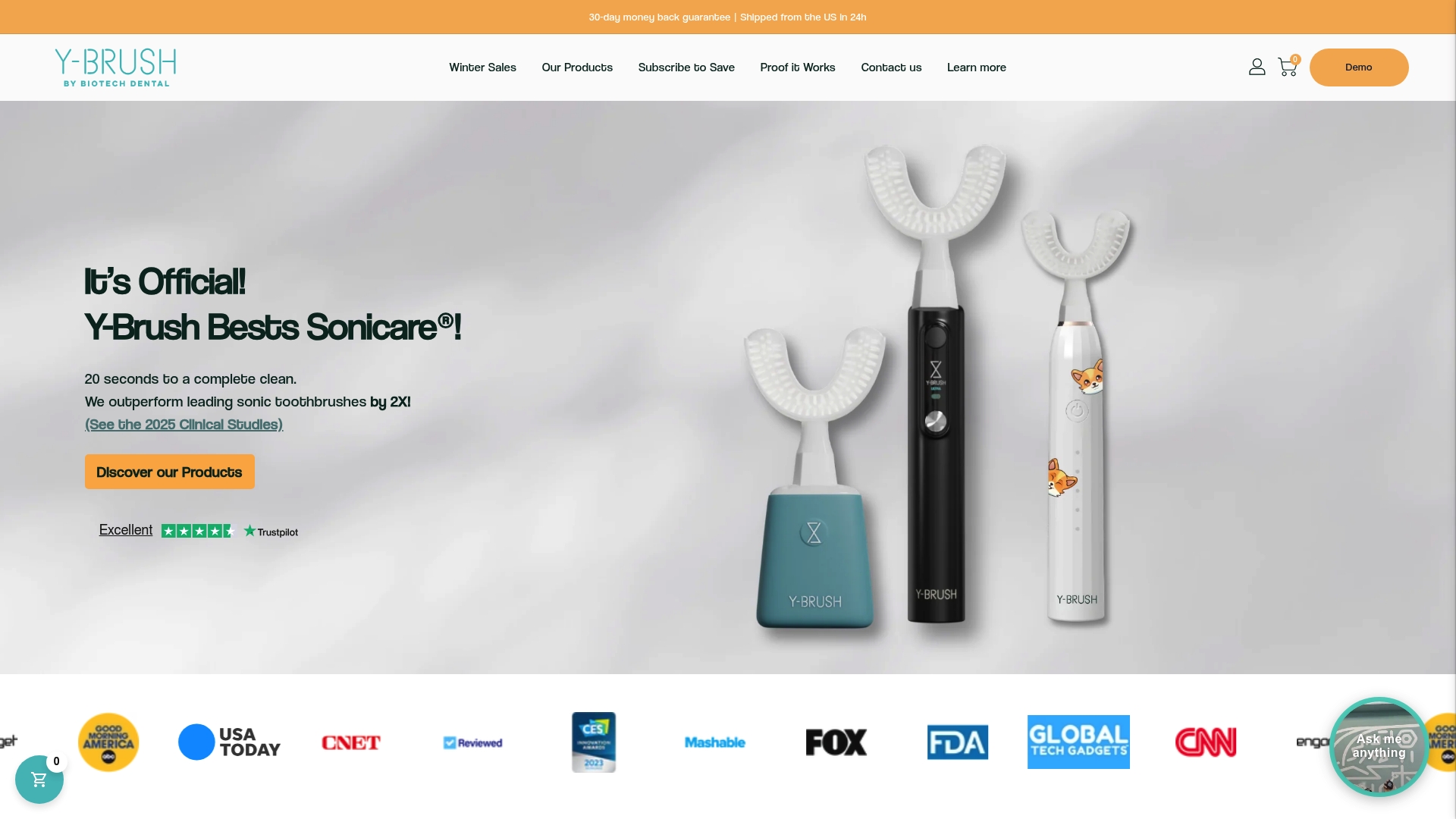
For adults seeking a fast, thorough clean, the Y-Brush Essential Sonic Toothbrush combines sonic technology with a unique design that reaches all tooth surfaces simultaneously. It’s ideal for professionals, parents, and anyone who values their time but refuses to compromise on oral health. The built-in timer ensures you brush long enough, while the gentle bristles protect your enamel and gums.
Children benefit from the KidsBrush for children, designed specifically for ages four to twelve. This model makes brushing fun and effective, helping kids build healthy habits early while giving parents peace of mind. For those who want the most advanced features, the Ultra Sonic Toothbrush offers premium performance with multiple modes and long battery life.
Y-Brush products embody the principles you’ve learned: ADA-level safety, proven plaque removal, and time-saving innovation. Whether you’re upgrading your own routine or equipping your family, these tools make it easier to achieve a plaque-free smile every day.
Frequently asked questions
What does the ADA Seal of Acceptance mean on oral care products?
It verifies that the product meets safety and effectiveness standards based on scientific evidence, helping you trust its health claims.
Is an electric toothbrush really better than a manual one?
Lab tests show electric brushes often remove more plaque, but both work well if used properly for two minutes twice daily.
How should I care for my teeth if I have sensitive gums or braces?
Use soft-bristled or electric brushes and consider water flossers and alcohol-free mouthwash to reduce irritation and improve access.
What is the recommended routine for brushing, flossing, and rinsing?
Brush for two minutes twice daily, floss once, and use mouthwash last for the most complete clean.
Are whitening toothpastes safe for everyday use?
Yes, as long as they have the ADA Seal and an RDA of 250 or less to prevent enamel damage.


