


TL;DR:
- Electric toothbrushes reduce plaque and gingivitis more effectively than manual brushes over long-term use. Proper technique and full two-minute brushing sessions are essential, regardless of brush type. Features like timers and pressure sensors offer more practical benefits than high-end connectivity options.
Electric toothbrushes, the industry term for what consumers often call automatic toothbrushes, outperform manual brushes by reducing plaque by about 21% and gingivitis by 11% over long-term use, according to pooled data from 56 clinical trials covering more than 5,000 participants. That gap is real, but it tells only part of the story. The automatic toothbrush vs manual debate hinges less on the tool itself and more on how consistently and correctly you use it. The American Dental Association confirms that either brush type works when used properly, twice daily for two minutes, paired with regular dental visits.
What does science say about automatic vs manual toothbrush cleaning?
Clinical evidence consistently favors electric toothbrushes for plaque and gingivitis control. A major Cochrane review, drawing on 56 trials with over 5,000 participants, found that electric toothbrushes reduce plaque by 21% and gingivitis by 11% compared to manual brushes over extended use. Those numbers represent a meaningful clinical difference, not just a marginal improvement.
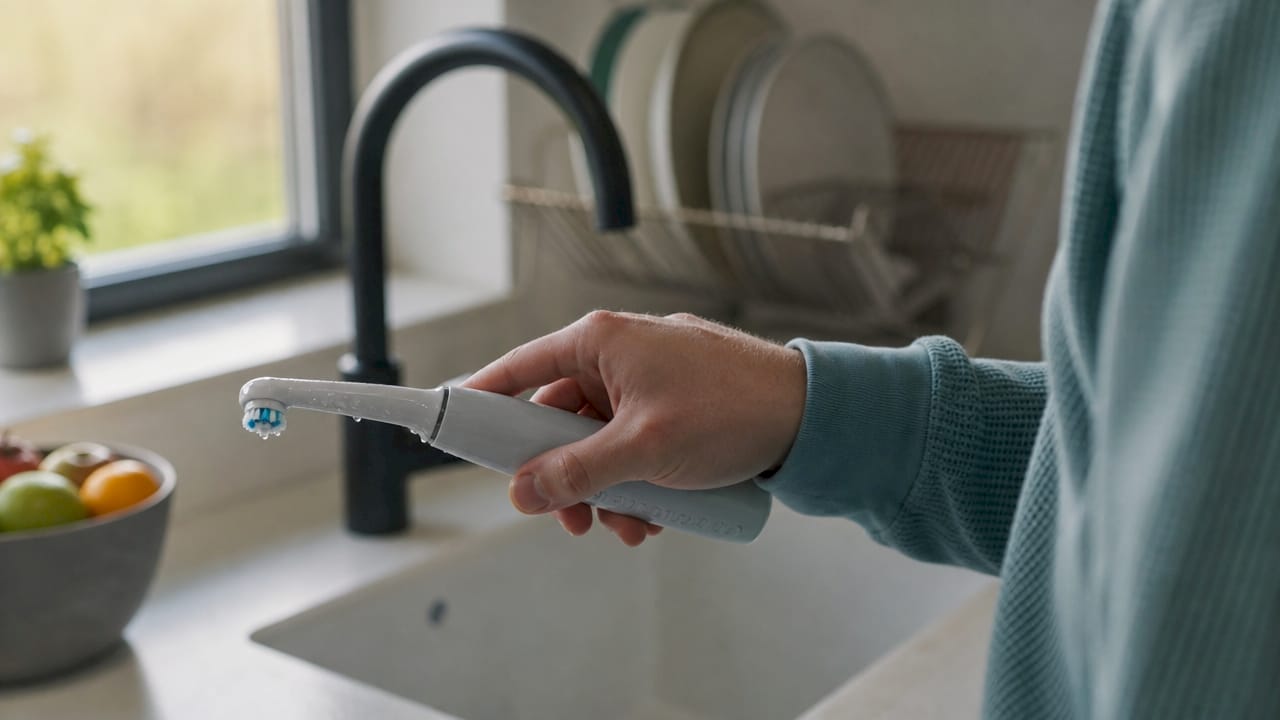
Not all electric toothbrush motions perform equally. Oscillating-rotating brush heads show the strongest evidence for plaque and gingivitis reduction among all electric toothbrush types. Sonic vibrations, by contrast, offer gentler cleaning that suits people with sensitive gums or orthodontic appliances. Choosing between these two motion types matters as much as choosing between electric and manual.
Manual brushes are not without merit. A person who applies the Bass brushing technique correctly, angling the bristles at 45 degrees toward the gumline and using short horizontal strokes, can achieve results comparable to those of an electric brush. The catch is that most people do not brush with that level of precision or for long enough.
| Metric | Electric toothbrush | Manual toothbrush |
|---|---|---|
| Plaque reduction (vs. manual) | 21% greater reduction | Baseline |
| Gingivitis reduction (vs. manual) | 11% greater reduction | Baseline |
| Strongest motion type | Oscillating-rotating | N/A |
| Technique dependency | Lower | High |
| Recommended brushing time | 2 minutes (timer assisted) | 2 minutes (self-timed) |
Pro Tip: If you use a manual brush, set a phone timer for two full minutes. Most people stop at 45 seconds without realizing it.
How do convenience and features differ between brush types?
Electric toothbrushes compensate for the most common brushing failure: stopping too soon. Studies show the average manual brushing session lasts only 45–60 seconds, well short of the recommended two minutes. Built-in timers on electric brushes solve this problem directly, and quadrant pacers prompt you to move to each section of your mouth every 30 seconds.
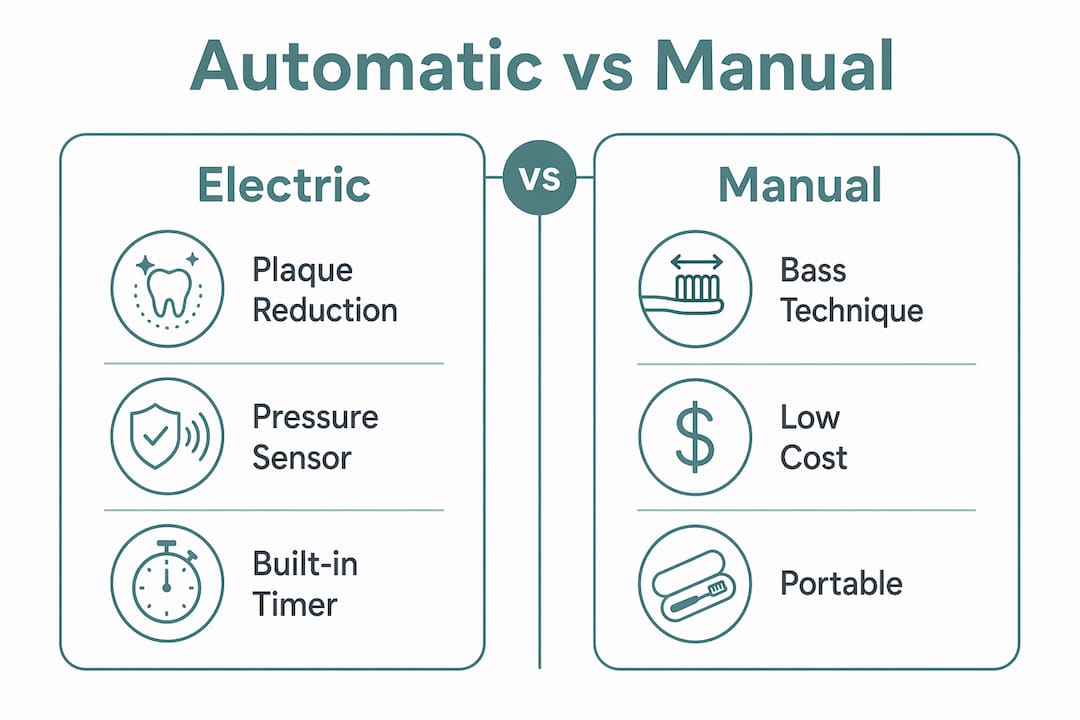
Pressure sensors add another layer of protection. Pressure sensors on electric toothbrushes prevent enamel abrasion and gum recession by alerting you when you press too hard. Manual brushes provide no such feedback, which means aggressive brushers can cause real damage over time without knowing it.
The cost picture is more complex. Manual toothbrushes cost roughly $8–$12 per year, while electric models carry an initial price of $50–$300 plus $15–$60 annually for replacement heads. That gap narrows when you factor in the potential cost of treating gum disease or enamel erosion caused by poor brushing habits.
Here is where each brush type holds a practical edge:
- Electric toothbrushes: Built-in timers, pressure sensors, quadrant pacers, stronger plaque removal, and better results for people who tend to rush or press too hard.
- Manual toothbrushes: No charging required, airport-friendly, lower upfront cost, and widely available anywhere in the world.
- Connectivity features: High-end Bluetooth and app tracking on premium electric models do not consistently improve oral health outcomes compared to basic timers and pressure sensors. Pay for features that change behavior, not features that just collect data.
Pro Tip: When traveling, pack a manual brush as a backup. Electric toothbrushes need charging and may not be compatible with international voltage without an adapter.
What are the real limitations of automatic toothbrushes?
Electric toothbrushes are not a substitute for good technique. The brush does the oscillating or vibrating, but you still control where it goes and how long it stays there. Skipping the back molars or rushing through the lower front teeth produces poor results regardless of how advanced the brush is.
People also tend to overestimate how much an electric brush compensates for bad habits. The best toothbrush is the one used consistently and correctly, not the most expensive one on the shelf. A $200 electric brush used carelessly will underperform a $3 manual brush used with proper technique and full two-minute sessions.
Bristle firmness matters for both brush types. Soft bristles are recommended for all toothbrushes to prevent enamel abrasion and gum damage. Medium or hard bristles, whether on a manual or electric brush, increase the risk of recession and sensitivity over time.
Manual brushes also have genuine advantages in specific situations:
- Budget-conscious consumers who replace brushes every three months as recommended spend far less annually.
- Travelers benefit from no charging requirements and portability that manual brushes offer.
- Children learning to brush often do better starting with a manual brush to build technique before transitioning to electric.
- People with very sensitive gums may find that even sonic vibrations feel uncomfortable at first.
How do you choose the right toothbrush for your needs?
The right toothbrush depends on your oral health status, physical ability, budget, and daily routine. Start with those four factors before looking at features.
- Limited dexterity or mobility issues: Electric toothbrushes are the clear choice. Electric brushes are particularly recommended for people with arthritis, limited hand strength, or conditions that reduce fine motor control. The brush does the mechanical work, reducing the burden on the user.
- Orthodontic appliances or implants: Sonic electric toothbrushes work well around brackets and wires because their vibrations reach into tight spaces. Oscillating-rotating heads can be harder to maneuver around hardware.
- Persistent gingivitis or heavy plaque buildup: An electric toothbrush with a timer and pressure sensor addresses both the duration problem and the force problem simultaneously. This combination produces the most reliable improvement for people who struggle with gum health.
- Tight budget or frequent travel: A manual brush with proper brushing technique delivers strong results at a fraction of the cost. Replace it every three months or after any illness.
- General healthy adult with good habits: Either type works. The electric option provides a modest but real advantage. The manual option works fine if you commit to two full minutes and correct form.
| User profile | Recommended brush type | Key feature to prioritize |
|---|---|---|
| Limited dexterity | Electric | Timer, pressure sensor |
| Orthodontic appliances | Electric (sonic) | Gentle vibration, compact head |
| Heavy plaque or gingivitis | Electric (oscillating-rotating) | Plaque removal power |
| Budget-conscious | Manual | Soft bristles, proper technique |
| Frequent traveler | Manual | Portability, no charging |
| Healthy adult, good habits | Either | Consistency and two-minute sessions |
Matching features to your specific needs matters more than owning the most advanced model available. Pressure sensors and quadrant pacers deliver more real-world benefit than Bluetooth connectivity or app dashboards for most people. Avoid common brushing mistakes regardless of which brush you choose, since technique errors undermine results from any tool.
Key Takeaways
Electric toothbrushes outperform manual brushes in clinical studies, but consistent technique and a full two-minute session matter more than the tool itself.
| Point | Details |
|---|---|
| Clinical advantage is real | Electric brushes reduce plaque by 21% and gingivitis by 11% over long-term use. |
| Technique still drives results | A manual brush with the Bass technique can match electric performance when used correctly. |
| Features that change behavior | Timers and pressure sensors deliver more health benefit than high-end connectivity features. |
| Match brush to your profile | People with dexterity issues, gingivitis, or orthodontics benefit most from electric brushes. |
| Cost gap is significant | Manual brushes cost $8–$12 per year versus $50–$300 upfront plus maintenance for electric models. |
The case for not overthinking your toothbrush
I have spent years watching people buy premium electric toothbrushes, feel virtuous for a week, and then revert to 45-second brushing sessions. The brush did not fail them. The habit did.
The data is clear: electric toothbrushes provide a real, measurable advantage, especially for people who rush, press too hard, or have specific oral health challenges. But that advantage disappears the moment you stop using the brush consistently. A $10 manual brush used faithfully twice a day for two full minutes beats a $250 electric brush used lazily every other morning.
What I find most overlooked is the middle ground. You do not need the most expensive electric brush on the market. A model with a timer and a pressure sensor covers the two biggest failure points for most people. Everything beyond that is a feature you are paying for, not a health outcome you are buying.
My honest recommendation: if you have any dexterity issues, persistent gum problems, or a history of cutting brushing short, go electric and do not look back. If you are a disciplined brusher with healthy gums and a tight budget, a quality manual brush with soft bristles and good technique is entirely sufficient. The cost versus results calculation is worth doing before you spend.
— Joris
Y-brush: a faster path to a cleaner smile
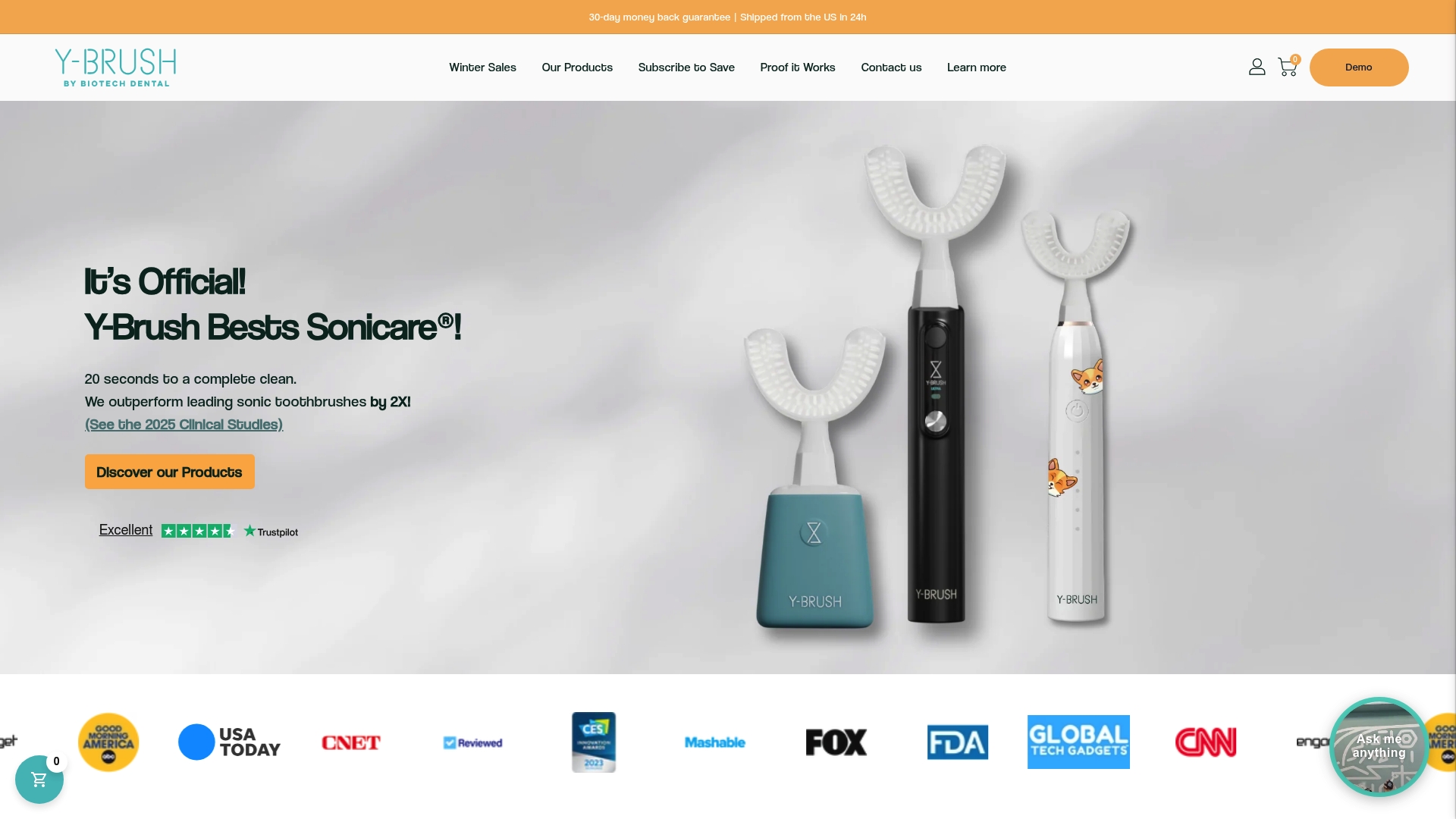
Y-brush was built around one uncomfortable truth: 90% of people brush for under a minute, even though they know two minutes is the standard. The Y-brush Essential Sonic and Y-brush Ultra models address this directly, delivering a clinically supported clean in just 20 seconds by covering all tooth surfaces simultaneously. No timers to watch, no quadrant-by-quadrant guesswork.
The Y-brush Essential Sonic is the entry point for anyone ready to stop shortchanging their oral health. For those who want the full package with advanced accessories, the Y-brush Ultra delivers premium sonic performance. Both models are built for real life, not just the bathroom counter.
FAQ
Which toothbrush removes more plaque?
Electric toothbrushes remove about 21% more plaque than manual brushes over long-term use, based on pooled data from 56 clinical trials. Oscillating-rotating heads show the strongest evidence for plaque reduction among all electric types.
Can a manual toothbrush be as effective as an electric one?
Yes, when used with the Bass brushing technique for a full two minutes twice daily, a manual brush can deliver comparable results to an electric brush. Most people, however, do not maintain that level of technique or duration consistently.
Who should use an electric toothbrush?
Electric toothbrushes are recommended for people with limited hand dexterity, orthodontic appliances, dental implants, or persistent gingivitis. They are also the better choice for anyone who consistently brushes for less than two minutes.
Are expensive electric toothbrush features worth the price?
High-end connectivity features like Bluetooth and app tracking do not consistently improve oral health outcomes compared to basic timers and pressure sensors. Focus on those two features first before paying for extras.
How much does each toothbrush type cost per year?
Manual toothbrushes cost roughly $8–$12 per year. Electric toothbrushes carry an initial cost of $50–$300 plus $15–$60 annually for replacement heads, making the total cost of ownership significantly higher.


