


TL;DR:
- Electric toothbrushes remove more plaque and reduce gingivitis better than manual brushes, with proven clinical benefits. Proper technique and consistent daily use are crucial for maximizing their effectiveness, regardless of the device type.
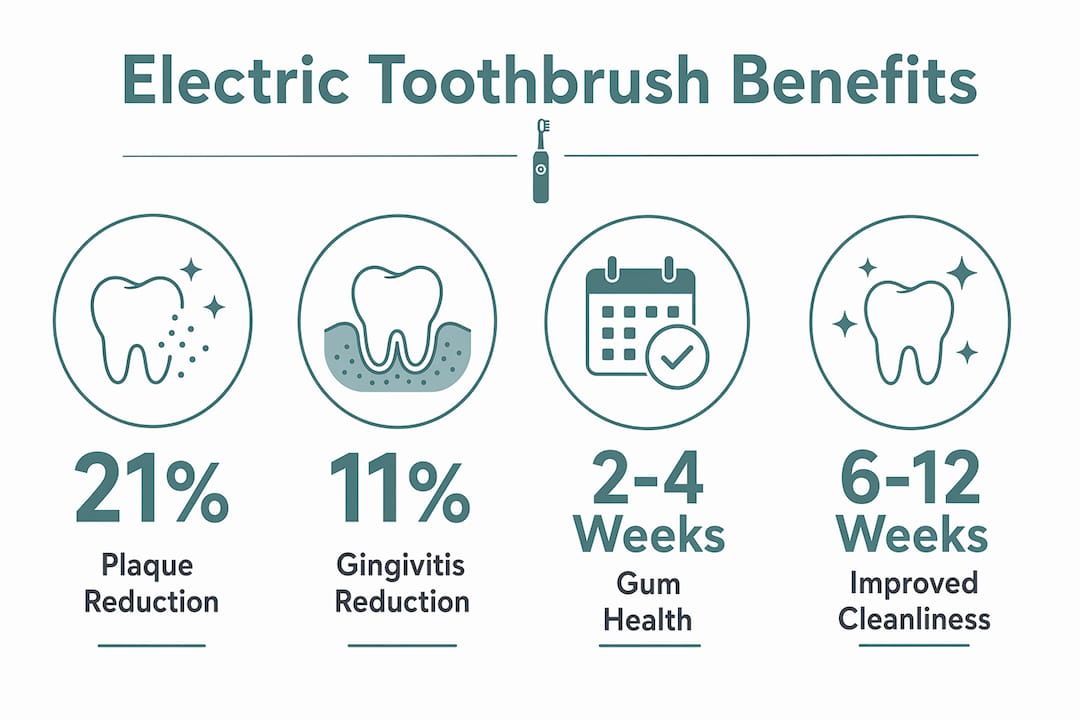
Electric toothbrushes, also called automatic toothbrushes, are clinically proven to remove more plaque and reduce gingivitis better than manual brushing. Studies show 21% greater plaque reduction and 11% less gingivitis after three months of consistent use. Brands like Oral-B, Philips Sonicare, and Autobrush have built their reputations on this evidence. Automatic toothbrush effectiveness is not just a marketing claim. It is backed by meta-analyses, systematic reviews, and ADA endorsements that make the case clear.
How do automatic toothbrushes improve oral hygiene?
Automatic toothbrushes work through mechanical actions that manual brushing simply cannot replicate. Oscillating, rotating, and sonic movements break up and remove plaque more thoroughly, especially along the gumline and between crowded teeth. That targeted cleaning is exactly where manual brushing tends to fall short.
The three main mechanisms each work differently:
- Oscillating-rotating brushes (like Oral-B models) spin the brush head back and forth in small circles, physically dislodging plaque from tooth surfaces and gum margins.
- Sonic brushes (like Philips Sonicare and Y-brush) use high-frequency vibrations to disrupt plaque even in areas the bristles do not directly contact.
- U-shaped automatic brushes (like Autobrush) surround the entire arch of teeth simultaneously, cleaning all surfaces at once for maximum time efficiency.
Built-in features amplify these mechanical advantages. Timers ensure you brush for the full recommended two minutes. Quadrant alerts prompt you to move to each section of your mouth. Pressure sensors detect when you are pushing too hard and alert you before damage occurs. Together, these features remove the guesswork that makes manual brushing inconsistent.
Pro Tip: If you are switching from a manual brush, spend the first week simply holding the automatic brush at a 45-degree angle to your gumline and letting the motor do the work. Resist the urge to scrub.
What does clinical research say about electric toothbrush effectiveness?
The clinical evidence for electric toothbrushes is among the most consistent in dental research. Plaque reduction of 21% and gingivitis reduction of 11% after three or more months represent meaningful, measurable improvements in oral health. These are not marginal gains.
The timeline for results follows a predictable pattern. Reduced gum bleeding and tenderness appear within 2–4 weeks of consistent use. Improved plaque control along the gumline becomes measurable within 6–12 weeks. That progression matters because it tells you the benefits compound over time, not just at the start.
“Long-term studies show electric toothbrush users experience less tooth loss and slower periodontal disease progression over 11 years compared to manual brush users.” — Electric toothbrush benefits
The long-term picture is equally compelling. Sustained electric toothbrush use correlates with fewer lost teeth and reduced progression of periodontal disease over an 11-year period. That is not a short-term cosmetic benefit. It is a structural improvement in lifelong oral health.
| Timeframe | Measurable benefit |
|---|---|
| 2–4 weeks | Reduced gum bleeding and tenderness |
| 6–12 weeks | Improved plaque control along gumline |
| 3+ months | 21% plaque reduction, 11% gingivitis reduction |
| 11 years | Fewer lost teeth, slower periodontal disease progression |
The ADA Seal of Acceptance adds a layer of independent verification. U-shaped automatic brushes like Autobrush have earned this designation, confirming that ADA-approved automatic brushes meet established safety and efficacy standards. That seal is not awarded automatically. It requires clinical testing and review.
What factors influence how well an automatic toothbrush works?
The device itself is only part of the equation. Brushing consistency and proper technique matter more than device specifications when it comes to real-world outcomes. A premium brush used incorrectly will underperform a mid-range brush used well every day.
Four factors determine whether you get the full benefit:
- Frequency and duration. Brush twice daily for two full minutes. Most people brush for under one minute, which leaves significant plaque behind regardless of brush type.
- Bristle angle. Position bristles at 45 degrees to the gumline. This angle directs cleaning action where plaque accumulates most.
- Pressure control. Excessive brushing pressure damages enamel and gums. Modern brushes with pressure sensors alert you when force exceeds safe limits, which trains better long-term habits.
- Toothpaste selection. For U-shaped automatic brushes, lighter or foaming toothpaste improves cleaning efficiency because it distributes more evenly across the full arch. Standard paste can clump and reduce surface contact.
Many people also underestimate the adjustment period. Adapting to vibration sensations and correct bristle angling takes one to two weeks. Skipping that adjustment phase leads to inconsistent technique and reduced results in the critical early weeks.
Pro Tip: Use your brush’s built-in timer and quadrant alerts for the first 30 days. Once the two-minute habit is automatic, you can rely on feel alone.
How do automatic toothbrush types compare?
Choosing the right type of automatic toothbrush depends on your dental needs, lifestyle, and comfort preferences. The three main categories each have distinct strengths.
Oscillating-rotating brushes have the strongest clinical evidence for plaque removal and gum health improvement. Oral-B’s iO series is the most studied example. These brushes excel for people with early-stage gum disease or heavy plaque buildup.
Sonic brushes like Philips Sonicare and Y-brush use high-frequency vibrations to clean both contact and near-contact surfaces. They tend to feel gentler, which improves adherence for people with sensitive gums. Y-brush takes sonic technology further with a U-shaped design that cleans the full arch in 20 seconds, addressing the single biggest compliance problem: time.
U-shaped automatic brushes like Autobrush offer simultaneous full-arch cleaning. They work well for people with braces, limited dexterity, or children who struggle with standard brushing routines.
| Type | Best for | Key strength | Consideration |
|---|---|---|---|
| Oscillating-rotating | Heavy plaque, gum disease | Strongest clinical evidence | Requires standard technique |
| Sonic | Sensitive gums, daily use | Gentle, effective vibration | Adjustment period needed |
| U-shaped | Braces, kids, time-pressed users | Full-arch simultaneous cleaning | Toothpaste type matters |
For a deeper look at cost versus clinical results, the value case for automatic toothbrushes holds up across price points when you factor in reduced dental treatment costs over time.
What practical steps get the most from your automatic toothbrush?
Getting full value from an automatic toothbrush requires more than just turning it on. Technique, maintenance, and complementary habits all shape your results.
- Position before activating. Place the brush head on your teeth before switching it on. Starting the motor in the air creates splatter and reduces control.
- Move slowly through each quadrant. Spend 30 seconds per quadrant. Let the brush head sit on each tooth for two to three seconds before moving.
- Apply minimal pressure. Guide the brush; do not push it. The motor generates the cleaning force.
- Replace brush heads every three months. Worn bristles lose their cleaning angle and reduce effectiveness noticeably.
- Clean the brush handle weekly. Rinse the connection point and wipe the handle to prevent bacterial buildup.
- Floss daily. No automatic toothbrush cleans between teeth. Flossing remains the only way to remove interproximal plaque.
Pro Tip: Keep a spare brush head in your travel bag. Skipping brushing on trips is one of the most common ways consistent habits break down.
Routine dental checkups every six months remain non-negotiable. Your dentist can identify areas your brush consistently misses and adjust your technique before problems develop. The brush improves your daily practice. Professional care catches what daily practice cannot.
For more guidance on effortless oral health with automatic toothbrushes, including safety considerations and technique refinements, the Y-brush blog covers the topic in depth.
Key Takeaways
Electric toothbrushes deliver clinically proven plaque and gingivitis reductions that manual brushing cannot match, but consistent technique and daily use determine whether those benefits translate into real results.
| Point | Details |
|---|---|
| Clinical superiority is established | Electric toothbrushes reduce plaque by 21% and gingivitis by 11% after three months of consistent use. |
| Results build over time | Gum improvements appear within 2–4 weeks; measurable plaque control develops within 6–12 weeks. |
| Oscillating-rotating has the strongest evidence | Oral-B-style oscillating brushes show the most consistent clinical results across populations. |
| Technique matters more than specs | Brushing frequency, bristle angle, and pressure control drive outcomes more than device price or features. |
| Toothpaste and maintenance count | U-shaped brushes need lighter toothpaste; all brushes need head replacement every three months to stay effective. |
My honest take on automatic toothbrush effectiveness
I have spent years looking at the clinical data and talking to people about their actual brushing habits. The research is clear and consistent. But the gap between what the studies show and what most people experience comes down to one thing: compliance.
The technology works. The problem is that most people do not use it correctly or consistently enough to get the full benefit. They brush for 45 seconds instead of two minutes. They press too hard. They skip flossing. Then they wonder why their dentist still finds plaque at every visit.
The best automatic toothbrush is the one you will actually use every day, at the right angle, for the full two minutes. A Y-brush that gets used consistently will outperform a premium Oral-B iO that sits on the counter three days a week. That is not a knock on any brand. It is just how oral health works.
My advice: pick a brush that fits your lifestyle and sensory preferences, commit to the adjustment period, and pair it with flossing and regular checkups. The technology gives you a real advantage. You still have to show up.
— Joris
Why Y-brush delivers on automatic toothbrush effectiveness
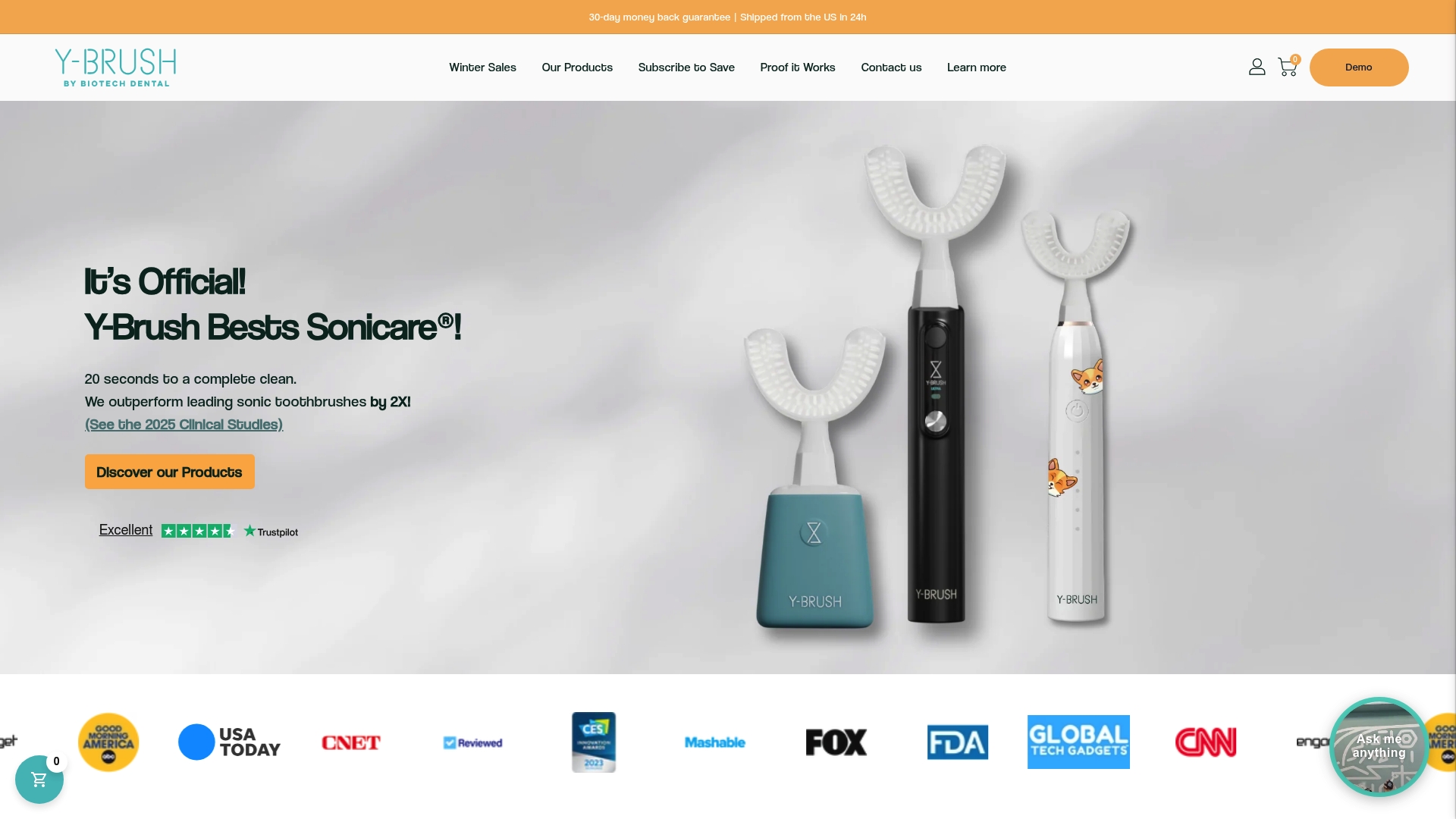
Y-brush was built around one uncomfortable truth: 90% of people do not brush for the full two minutes their dentist recommends. The Y-brush Essential Sonic Toothbrush solves that with a U-shaped sonic design that cleans every tooth simultaneously in just 20 seconds. The Y-brush Ultra adds extended battery life and deeper cleaning for users who want more. For families, the Y-brush KidsBrush builds effective brushing habits in children aged 4–12. Y-brush also offers membership plans that keep brush heads fresh and costs predictable. If you are ready to upgrade, explore the full Y-brush lineup and find the model that fits your routine.
FAQ
How much better is an automatic toothbrush than a manual one?
Electric toothbrushes reduce plaque by about 21% and gingivitis by 11% more than manual brushes after three months of consistent use. That difference is clinically significant and supported by multiple systematic reviews.
How quickly will I see results from an electric toothbrush?
Most people notice reduced gum bleeding and tenderness within 2–4 weeks. Measurable plaque control along the gumline typically develops within 6–12 weeks of daily use.
Which type of automatic toothbrush is most effective?
Oscillating-rotating brushes have the strongest and most consistent clinical evidence for plaque removal. Sonic brushes are a close second and tend to feel gentler, which improves long-term adherence for many people.
Does brushing technique still matter with an automatic toothbrush?
Technique and consistency matter more than device specifications. Holding the brush at the correct angle, avoiding excess pressure, and brushing for the full two minutes determine most of the outcome.
Are U-shaped automatic toothbrushes effective?
U-shaped brushes like Autobrush carry the ADA Seal of Acceptance, confirming safety and effectiveness when used correctly. They work best with lighter or foaming toothpaste to ensure full surface coverage across the entire arch.
Recommended
- What Is The Real Effectiveness Of An Automatic Toothbrush Compared To – Y-Brush USA
- What Is The Real Effectiveness Of An Automatic Toothbrush Compared To – Y-Brush USA
- Sonic Toothbrush Effectiveness: Unveiling Its Positive Impact on Oral Health Introduction – Y-Brush USA
- Do Automatic Toothbrushes Clean Better Or Just Faster? – Y-Brush USA


