


TL;DR:
- Automatic toothbrushes outperform manual brushes in plaque removal and gum health improvement. They rely on different motions, fit, and user habits to provide better cleaning, especially for those with limited dexterity. Proper technique and consistent use are essential for maximizing their benefits.
An automatic toothbrush is a powered oral care device that automates brushing motions to remove plaque more consistently than most people manage by hand. Whether an automatic toothbrush works or not depends on three factors: the type of motion it uses, how well it fits your mouth, and how consistently you use it. Clinical research confirms that electric toothbrushes, the standard industry term for automatic brushes, outperform manual brushing for most people. Brands like Oral-B, Sonicare, and Y-brush have each built their products around different motion technologies, and understanding those differences is the fastest way to make a confident choice.
How do automatic toothbrushes clean teeth?
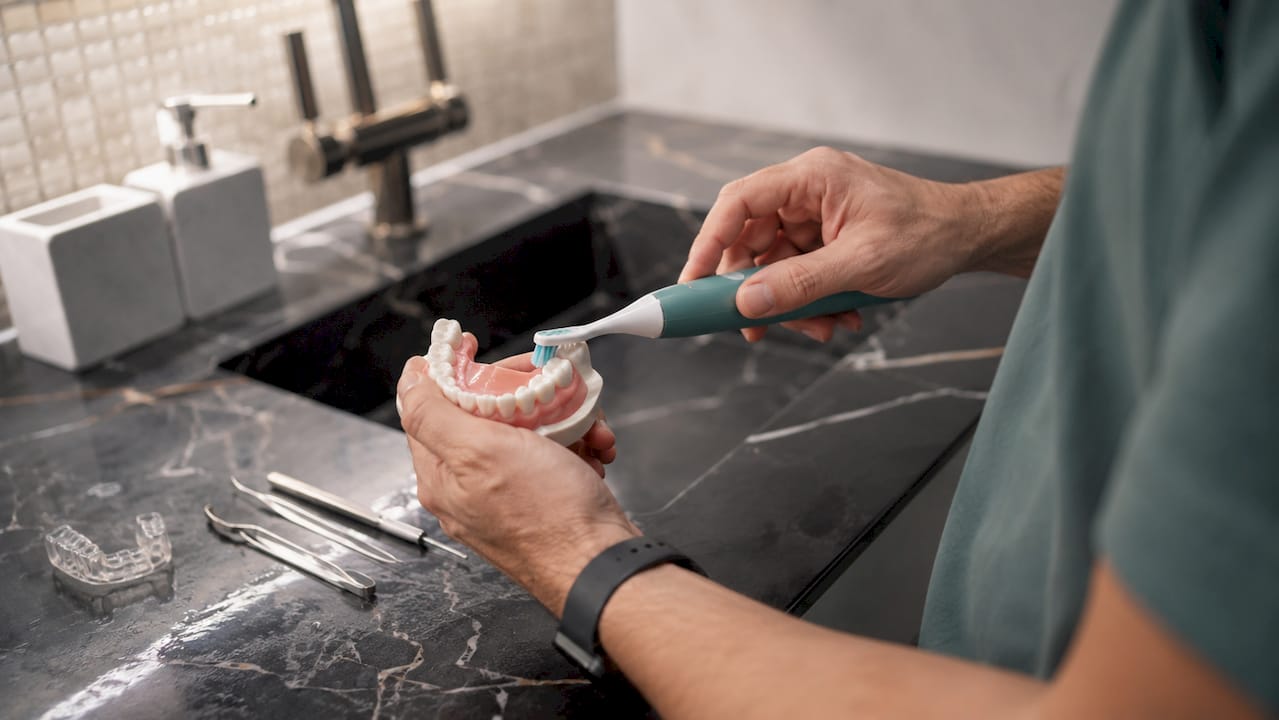
Automatic toothbrushes remove plaque through powered motion that the user cannot easily replicate by hand. Three core mechanisms define the category.
Oscillating-rotating brushes, like those from Oral-B, spin a small round head back and forth to scrub each tooth individually. Sonic vibration brushes, like those from Sonicare and Y-brush, vibrate bristles at high frequency to disrupt plaque biofilm even slightly beyond the bristle tips. U-shaped mouthpiece designs, such as those from Autobrush, surround all teeth simultaneously and rely on vibration to clean multiple surfaces at once.
Beyond motion type, the bristle material matters significantly. Angled nylon bristles mechanically sweep plaque more effectively at the gumline than soft silicone fins, which feel comfortable but are less efficient at plaque removal. Silicone fins are common in U-shaped designs and are a key reason those models receive mixed clinical reviews.
Smart features add another layer of benefit. Pressure sensors and timers help prevent overbrushing and encourage adequate clean time, improving oral health outcomes. These features coach users toward better habits without requiring any extra effort.
- Oscillating-rotating motion: scrubs each tooth surface individually
- Sonic vibration: disrupts plaque beyond direct bristle contact
- U-shaped mouthpiece: covers all teeth at once but requires guided movement
- Nylon bristles: superior plaque removal at the gumline
- Silicone bristles: comfortable but less effective mechanically
- Built-in timers: help users reach the recommended 2-minute mark
- Pressure sensors: prevent gum damage from overbrushing
Pro Tip: Set your brush’s built-in timer as a non-negotiable habit anchor. Most people brush for under a minute without one, which leaves significant plaque behind.
Do automatic toothbrushes work better than manual brushes?
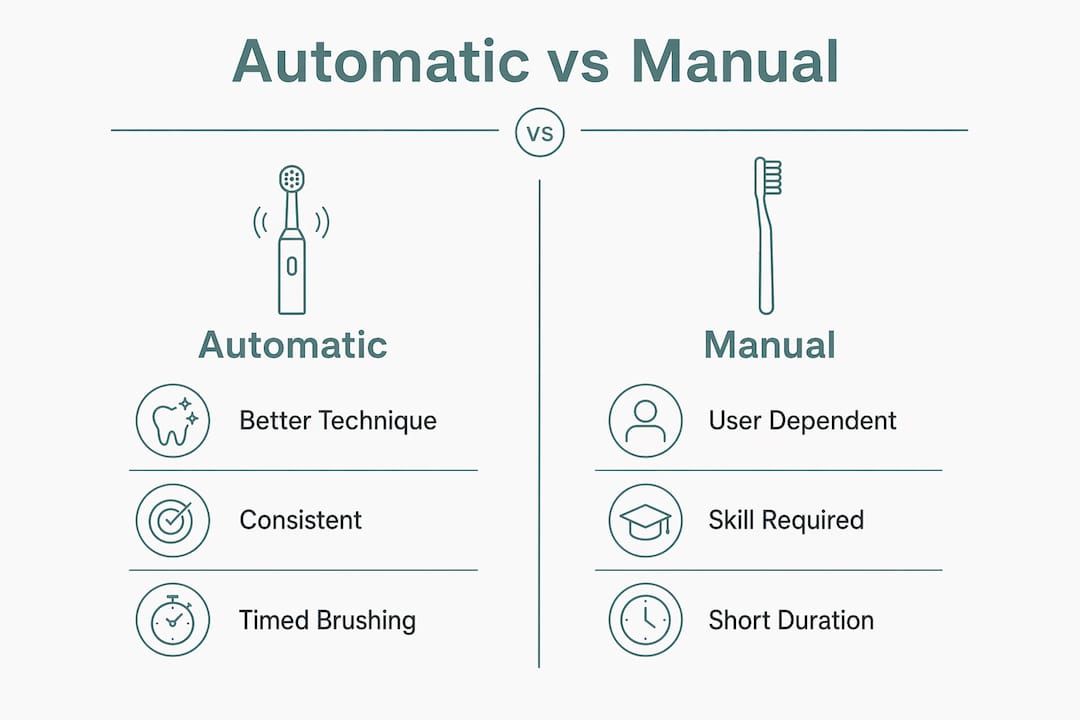
Automatic toothbrushes outperform manual brushes for most people in real-world conditions. Electric toothbrushes reduce plaque by 21% and gingivitis by 11% better than manual brushes over long-term use, according to clinical trials and Cochrane Reviews. That is a meaningful improvement in gum health, not just a marginal difference.
The honest caveat is technique. Manual toothbrushes can be highly effective with perfect technique and consistent use, but most people struggle to achieve this. The average person brushes for under a minute and misses the same spots every session. Automatic brushes reduce that human error by automating the motion and pacing.
The comparison of automatic vs. manual outcomes consistently shows that compliance is where electric brushes win. You do not need perfect form when the brush does the motion for you.
| Feature | Automatic toothbrush | Manual toothbrush |
|---|---|---|
| Plaque removal | Clinically superior on average | Comparable with perfect technique |
| Gingivitis reduction | 11% better long-term | Dependent on consistency |
| Built-in timers | Standard on most models | None |
| Pressure feedback | Available on mid-range and up | None |
| Ease of use | High, especially for limited dexterity | Requires trained technique |
| Cost | Higher upfront, ongoing head costs | Low cost |
| User consistency | Higher due to guided motion | Variable |
The table makes one thing clear: automatic brushes win on consistency, not magic. The technology compensates for the technique gaps that most people have every single day.
Are U-shaped automatic toothbrushes effective?
U-shaped automatic toothbrushes are not fully hands-free, despite how they are often marketed. U-shaped brushes need active guided motion to be effective. Leaving the mouthpiece static reduces cleaning significantly, especially at the gumline and back molars.
Fit is the second major limitation. Jaw geometry affects fit severely, and one-size-fits-all mouthpieces often cause inadequate bristle contact in key areas. A mouthpiece that fits a small jaw will not reach the back teeth of a larger jaw. Brands like Autobrush have introduced size options to address this, but the problem is not fully solved across the category.
Bristle material compounds the issue. Silicone bristles on U-shaped brushes are less effective at plaque removal than the angled nylon bristles used in traditional electric brushes. Silicone fins feel gentle, but they do not sweep the gingival sulcus, the groove between tooth and gum, with enough mechanical force.
Here is how to get the most from a U-shaped model if you choose one:
- Move the mouthpiece side to side and rotate it slightly rather than holding it still.
- Choose a model with size options that match your jaw width.
- Prioritize models that use nylon bristles over silicone fins.
- Spend extra time on back molars, which are the most commonly missed area.
- Replace the mouthpiece on schedule, since worn bristles lose their mechanical advantage quickly.
Pro Tip: If you are evaluating a U-shaped brush, check whether the manufacturer offers multiple mouthpiece sizes. A poor fit eliminates most of the cleaning benefit before you even start.
Who benefits most from using automatic toothbrushes?
Automatic toothbrushes deliver the greatest practical benefit to people whose manual brushing is limited by physical or behavioral factors. Automatic toothbrushes simplify brushing routines and aid consistency, benefiting users with dexterity challenges or gum health concerns most directly. That includes people with arthritis, limited grip strength, or early-stage gum disease.
Children are another strong candidate. Users generally improve cleaning outcomes with electric brushes over time as they adapt to device motion and positioning. For kids, the novelty of a powered brush often increases engagement, and the timer feature builds the 2-minute habit before it becomes a battle. Y-brush offers a dedicated kids model designed for smaller mouths and shorter attention spans.
Older adults benefit from the reduced physical effort. People with braces benefit from the consistent motion that reaches around brackets more reliably than manual strokes. Even tech-savvy adults who already brush well find that automatic toothbrushes serve as coaching tools, improving habit consistency over time.
- Limited dexterity: powered motion removes the need for fine motor control
- Gum disease: pressure sensors prevent the overbrushing that worsens gum recession
- Children: timers and engaging design build lasting brushing habits
- Older adults: less physical effort with equal or better results
- Braces wearers: consistent motion reaches around brackets more reliably
- Busy adults: 90% of people brush for under a minute, and a timer closes that gap
Cost does not have to be a barrier. Mid-range models often deliver comparable cleaning performance to high-end, app-connected brushes. Spending more does not automatically mean cleaner teeth.
How to maximize the benefits of your automatic toothbrush
Getting the most from an automatic toothbrush requires consistent habits, not just the right device. The brush handles the motion; you handle the positioning and the schedule.
Follow these practices to get full value from your brush:
- Brush for a full 2 minutes, twice daily, every day without exception.
- Angle the brush head at 45 degrees toward the gumline to clean the sulcus effectively.
- Move slowly across each quadrant rather than rushing through the whole mouth.
- For U-shaped models, actively guide the mouthpiece rather than holding it still.
- Replace brush heads every 3 months, or sooner if bristles show visible wear.
- Use the pressure sensor alert as feedback, not an annoyance. It signals real risk of gum damage.
Technique still matters even with a powered brush. Brushing technique and consistency account for a significant share of plaque removal outcomes, regardless of brush type. The device improves your baseline, but it does not replace deliberate positioning.
Pro Tip: Use your brush’s quadrant timer, if it has one, to spend equal time on each section of your mouth. Most people spend twice as long on front teeth and rush through the back.
Key Takeaways
Automatic toothbrushes are clinically proven to outperform manual brushing for most people, but their effectiveness depends on brush type, fit, and consistent daily technique.
| Point | Details |
|---|---|
| Clinical effectiveness | Electric brushes reduce plaque by 21% and gingivitis by 11% more than manual brushes long-term. |
| U-shaped brush limits | One-size-fits-all mouthpieces and silicone bristles reduce effectiveness at the gumline. |
| Who benefits most | People with limited dexterity, gum disease, or children gain the most from powered brushing. |
| Technique still matters | Even the best automatic brush requires proper angling and consistent 2-minute sessions. |
| Mid-range value | Expensive app-connected models are not necessary; mid-range brushes deliver comparable results. |
The honest truth about automatic toothbrush effectiveness
I have spent years watching people upgrade to expensive electric toothbrushes and then brush for 45 seconds with the wrong angle and wonder why their dentist still finds plaque. The brush is not the problem. The habit is.
What I have found is that the people who benefit most from automatic toothbrushes are not the ones who already brush well. They are the ones who struggle with consistency, dexterity, or simply do not know what good technique feels like. For those people, a powered brush with a timer and pressure sensor is genuinely life-changing for their oral health.
My honest advice: do not overspend. A mid-range sonic brush from a reputable brand will outperform a premium app-connected model if you use it correctly and consistently. The app does not brush your teeth. You do.
The one area where I think consumers are routinely misled is U-shaped brushes. The hands-free promise is appealing, but the clinical reality is that you still need to move the mouthpiece actively. If you are not willing to do that, a standard oscillating or sonic brush will serve you far better.
Focus on three things: the right brush type for your mouth, a consistent 2-minute routine, and replacing your brush head on schedule. Everything else is secondary.
— Joris
Why Y-brush is worth a closer look
Y-brush was built around one uncomfortable truth: 90% of people brush for under a minute, which means most oral care routines fall short before the brush even matters. Y-brush’s patented mouthpiece design delivers a thorough clean in just 20 seconds, fitting into real life rather than demanding a perfect routine.
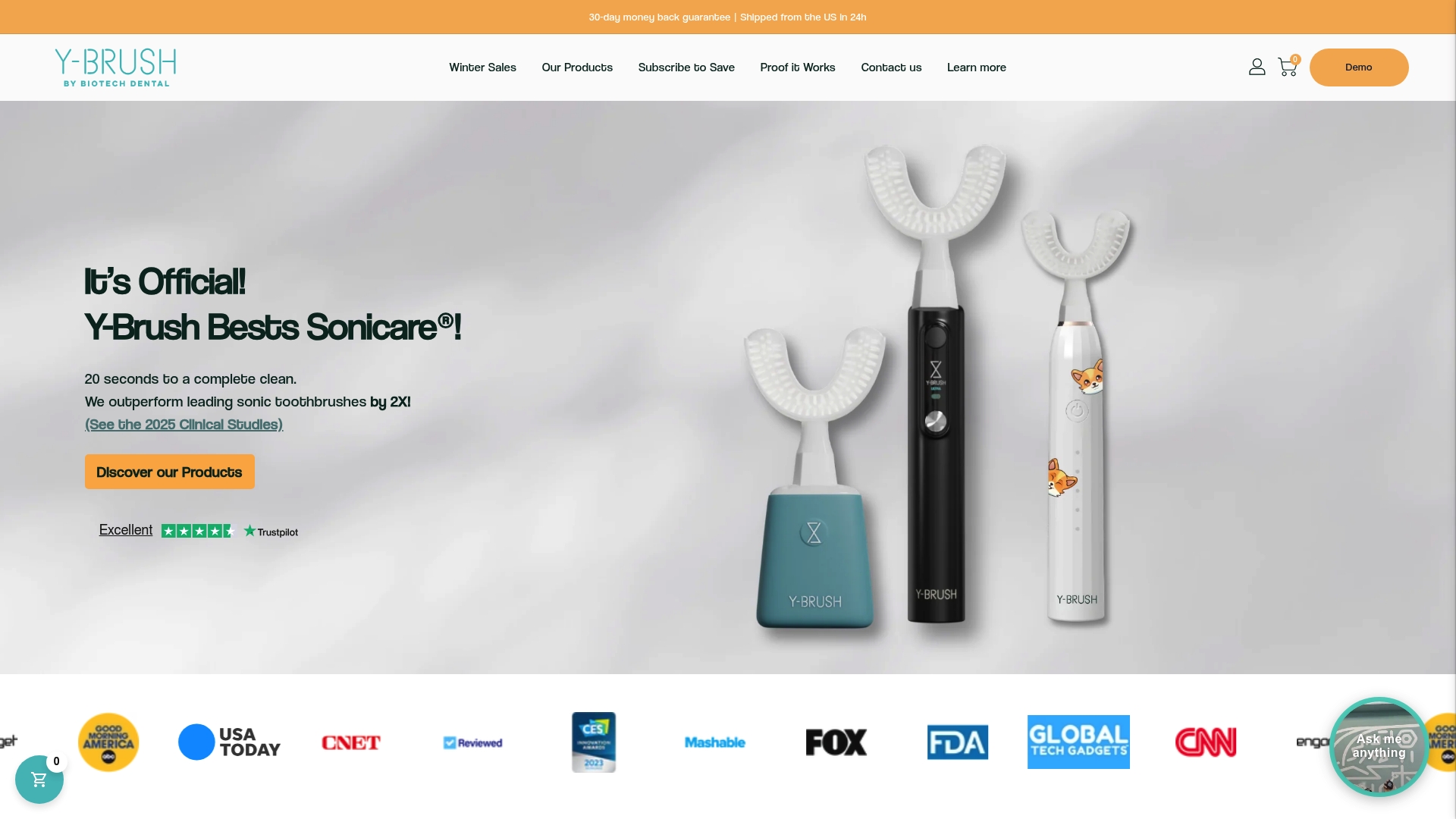
The Y-brush product range includes both adult and kids models, each using sonic vibration and an ergonomic mouthpiece designed to reach all tooth surfaces consistently. The Y-brush Essential Sonic Toothbrush offers a practical entry point for adults ready to upgrade their routine without overspending. For families, the Y-brush KidsBrush brings the same sonic technology to smaller mouths aged 4 to 12.
FAQ
Does an automatic toothbrush actually remove more plaque?
Yes. Electric toothbrushes reduce plaque by 21% and gingivitis by 11% more than manual brushes over long-term use, according to Cochrane Reviews. The powered motion removes more plaque than most people achieve manually.
Are electric toothbrushes worth it for everyday use?
Electric toothbrushes are worth it for most people, especially those who struggle with brushing time or technique. Features like timers and pressure sensors improve compliance and reduce the risk of gum damage.
How do U-shaped automatic toothbrushes differ from standard electric brushes?
U-shaped brushes surround all teeth at once but require active guided movement to be effective. Standard oscillating or sonic brushes with angled nylon bristles generally deliver more consistent plaque removal at the gumline.
Do I still need good technique with an automatic toothbrush?
Yes. Brushing technique and consistent positioning still account for a meaningful share of plaque removal outcomes. The brush automates the motion, but you control the angle and coverage.
What is the best automatic toothbrush for children?
Children benefit from sonic electric brushes with built-in timers and smaller brush heads sized for their mouths. Y-brush offers a dedicated kids model designed for ages 4 to 12, combining sonic vibration with an ergonomic fit for smaller jaws.
Recommended
- Do Automatic Toothbrushes Clean Better Or Just Faster? – Y-Brush USA
- Achieve effortless oral health with automatic toothbrushes – Y-Brush USA
- Does The Cost Vs Results Of An Automatic Toothbrush Really Add Up? – Y-Brush USA
- Are Automatic Toothbrushes Better Than Manual For Everyday Oral Hygien – Y-Brush USA


