


TL;DR:
- Automatic toothbrushes use motors to move bristles and improve plaque removal compared to manual brushes. They offer benefits like more consistent brushing and are especially helpful for children and people with limited dexterity. Features such as timers, pressure sensors, and brush head type influence their effectiveness and user convenience.
An automatic toothbrush is a powered oral hygiene device that moves brush bristles mechanically, removing plaque without the manual back-and-forth strokes a standard toothbrush requires. The industry term is “electric toothbrush,” and the two phrases refer to the same category of product. Modern designs range from oscillating heads to sonic vibration systems to U-shaped mouthpiece brushes that clean every tooth at once. For anyone looking to get a more consistent clean with less effort, understanding how these devices differ is the first step toward choosing the right one.
What is an automatic toothbrush and what types exist?
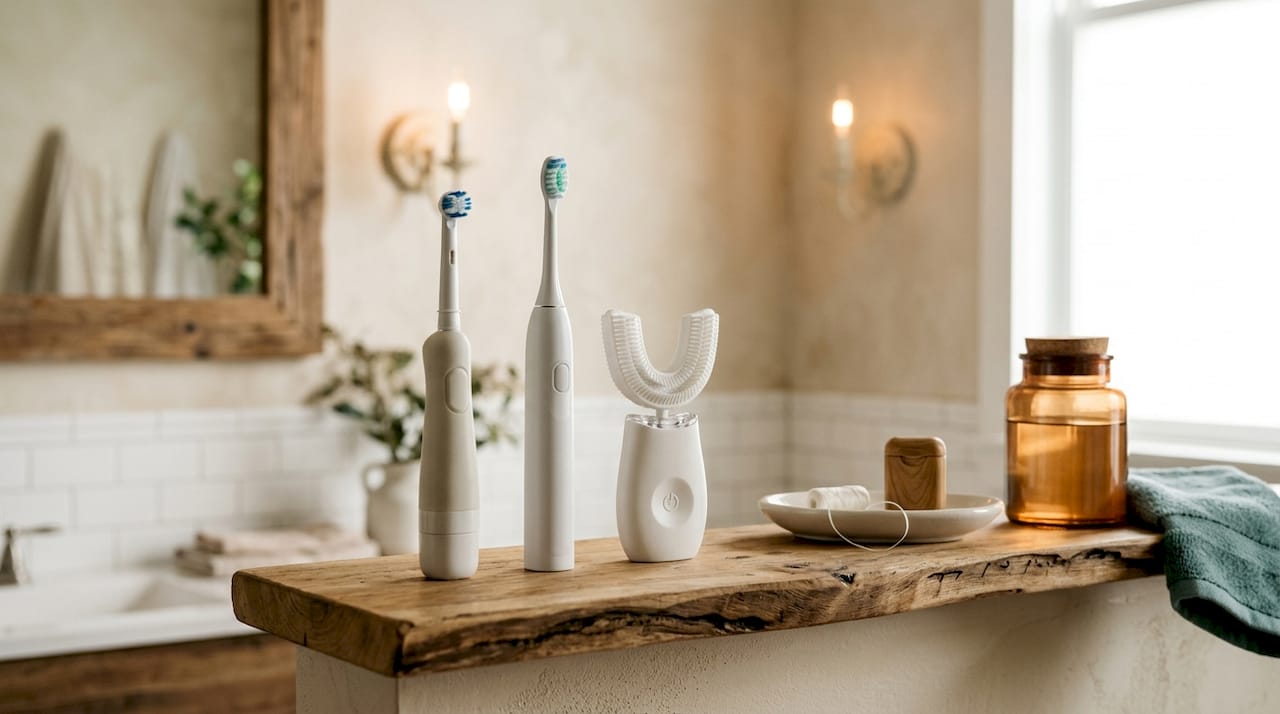
An automatic toothbrush uses a small motor to drive bristle movement, replacing the manual scrubbing motion your arm would otherwise provide. Electric toothbrushes are classified by their motion type and speed, with sonic brushes vibrating in the audible frequency range as one of the most common categories. That classification matters because each motion type cleans differently and suits different users.
The three main types you will encounter are:
- Oscillating/rotating brushes: A small round head spins back and forth, targeting one or two teeth at a time. Brands like Oral-B use this design widely.
- Sonic brushes: The bristles vibrate at high frequency, creating fluid dynamics that help dislodge plaque slightly beyond the bristle tips. Y-brush uses sonic technology in its product line.
- U-shaped mouthpiece brushes: A full-arch silicone tray fits over all teeth simultaneously. Devices like the Autobrush Sonic Pro clean all teeth at once in cycles as short as 30 seconds.
Most handles run on sealed rechargeable batteries charged inductively, meaning no exposed contacts. Battery life and charging design vary by model and affect long-term ownership costs.
Pro Tip: Check whether a model uses inductive wireless charging before you buy. Exposed metal charging contacts corrode over time, especially in humid bathrooms.
What are the benefits of an automatic toothbrush vs. a manual one?
The clinical case for electric toothbrushes is well established. Using an electric toothbrush for roughly three months reduces plaque by 21% and lowers the risk of gingivitis by 11% compared to manual brushing. Those numbers reflect a meaningful improvement in everyday oral health outcomes.
Systematic reviews confirm that electric brushes outperform manual brushes for plaque removal and reducing gingival inflammation, both short and long term. The advantage is not just about the motor. Automation helps people brush more consistently, covering all surfaces for the right amount of time instead of rushing or skipping sections.
“Electric toothbrush benefits come primarily from more consistent and improved brushing technique facilitated by automation, not from motion automation alone.” — University of Iowa College of Dentistry
The table below summarizes the key differences:
| Factor | Manual toothbrush | Automatic toothbrush |
|---|---|---|
| Plaque removal | Depends heavily on technique | Clinically proven 21% improvement |
| Brushing consistency | Variable by user | Standardized by motor and timer |
| Ease of use | Requires full manual effort | Motor does most of the work |
| Suitability for limited dexterity | Difficult | Well suited |
| Cost over time | Low upfront, no ongoing cost | Higher upfront, brush head replacements needed |
People with arthritis, limited grip strength, or mobility issues benefit most from the reduced manual effort. Children also brush more thoroughly when a device handles the motion for them. That said, technique still matters even with an electric brush. Skipping the gumline or rushing through the cycle reduces results regardless of what device you use.
How do automatic toothbrush models differ in features?
Not all electric toothbrushes are built the same, and the features that matter most depend on your daily routine and oral health needs. Understanding the key differences helps you avoid paying for features you will never use.
Brush head design and size
Standard oscillating and sonic brushes use small, replaceable heads that target a few teeth at a time. U-shaped mouthpiece brushes use a full-arch tray that fits over both upper and lower teeth. Consumers should distinguish between models that require guiding and mouthpiece models that rely on proper fit and cycle adherence. For an automatic toothbrush for kids, smaller brush heads or child-sized mouthpieces are available and reduce the risk of gum irritation.
Cleaning modes, timers, and pressure sensors
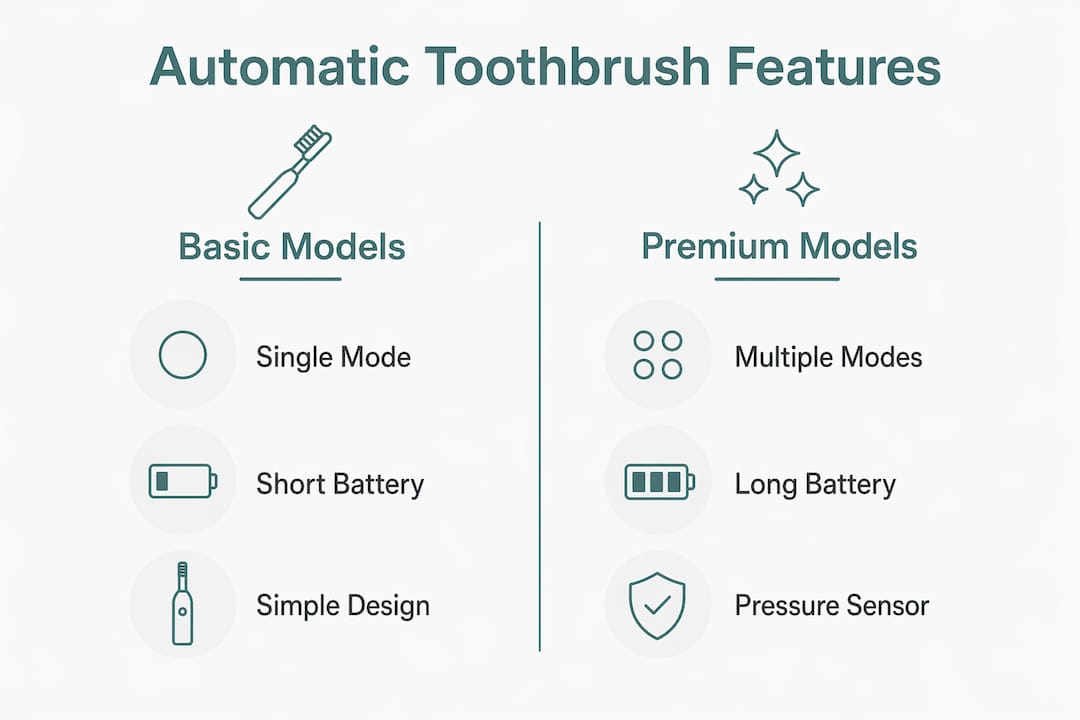
Many mid-range and premium models include multiple cleaning modes such as sensitive, whitening, and deep clean. Built-in two-minute timers with 30-second quadrant alerts help users cover the full mouth evenly. Pressure sensors that pause or alert when you press too hard protect enamel and gum tissue. These features add cost but deliver measurable benefits for people who tend to brush aggressively.
Battery life and maintenance
Rechargeable battery handles typically use sealed, non-replaceable cells charged inductively. When the battery degrades after several years, the entire handle may need replacement. Checking the manufacturer warranty before purchase is a practical step that many buyers overlook. Brush heads should be replaced every three months, which adds a recurring cost of roughly $10–$30 per year depending on the brand.
| Feature | Entry-level models | Mid-range models | Premium models |
|---|---|---|---|
| Cleaning modes | 1 | 2–3 | 4–6 |
| Built-in timer | Sometimes | Yes | Yes |
| Pressure sensor | No | Sometimes | Yes |
| Battery life per charge | 1–2 weeks | 2–3 weeks | 3–4 weeks |
| Brush head cost | Low | Moderate | Higher |
Pro Tip: Buy brush head refills in multipacks. Single replacement heads cost significantly more per unit than four-packs, and the quality is identical.
The cost vs. results calculation depends on your starting point. For someone who already brushes well with a manual brush, the clinical gains are smaller. For someone who rushes or misses sections regularly, the improvement is substantial.
How to use an automatic toothbrush effectively
Getting the most from an electric toothbrush requires more than pressing the power button. Follow these steps to maximize cleaning effectiveness:
- Apply a pea-sized amount of fluoride toothpaste to the brush head before turning the device on. Activating the brush before it reaches your mouth causes toothpaste to splatter.
- Position the brush at a 45-degree angle to the gumline. This angle directs bristles under the gum margin where plaque accumulates most.
- Guide the brush slowly from tooth to tooth for oscillating and sonic models. Do not scrub. Let the motor do the work and spend about two seconds per tooth.
- For U-shaped mouthpiece models, bite down gently and hold the tray in place. Brushing cycle lengths vary by device, with U-shaped systems often completing a full cycle in 30 seconds. Follow the device instructions precisely.
- Use the built-in timer or a separate timer app to hit the full recommended duration. Conventional electric brushes target two minutes total.
- Rinse the brush head thoroughly after each use and store it upright to air dry. Closed brush covers trap moisture and promote bacterial growth.
- Charge the handle before travel, not the night before you leave. Most models hold a full charge for two or more weeks, so a full charge before a trip eliminates the need to pack the charger.
Common mistakes include pressing too hard, skipping the inner surfaces of back teeth, and ignoring the tongue-side of lower front teeth. These areas collect the most tartar and are the easiest to miss when rushing.
Key Takeaways
Automatic toothbrushes deliver clinically proven plaque reduction and brushing consistency that manual brushes cannot match, but technique and model selection still determine your results.
| Point | Details |
|---|---|
| Definition and types | Electric toothbrushes include oscillating, sonic, and U-shaped mouthpiece designs, each cleaning differently. |
| Clinical benefit | Three months of use reduces plaque by 21% and gingivitis risk by 11% vs. manual brushing. |
| Technique still matters | Automation improves consistency but does not replace careful gumline coverage and correct positioning. |
| Feature priorities | Timers, pressure sensors, and brush head size matter more than the number of cleaning modes. |
| Battery and cost | Sealed rechargeable handles may require full replacement when batteries age; check warranty before buying. |
Why I think most people underestimate what an automatic toothbrush actually does
Most people frame the electric toothbrush question as “is it worth the money?” That is the wrong question. The real question is: how consistently are you actually brushing right now?
Research shows that clinical advantages vary by user group, meaning the benefit is not uniform. For someone with excellent manual technique, the gain is modest. For the vast majority of adults who rush through a 45-second brush before bed, the gain is significant. The motor is not magic. It is a consistency tool.
Where I think automatic toothbrushes are genuinely undervalued is with kids and older adults. Children lack the fine motor control to brush all surfaces properly. Older adults with arthritis or reduced grip strength face a real physical barrier with manual brushes. For both groups, the device removes a skill barrier that no amount of coaching fully solves.
The one thing I would push back on is the assumption that a more expensive model always means better oral health. A mid-range sonic brush used correctly beats a premium model used carelessly every time. Choose a model that fits your lifestyle, not the one with the most features on the box.
— Joris
Y-brush: automatic toothbrushes built for real life
Most people know they should brush for two full minutes, yet 90% fall short, with a typical session lasting under one minute. Y-brush was built around that reality.
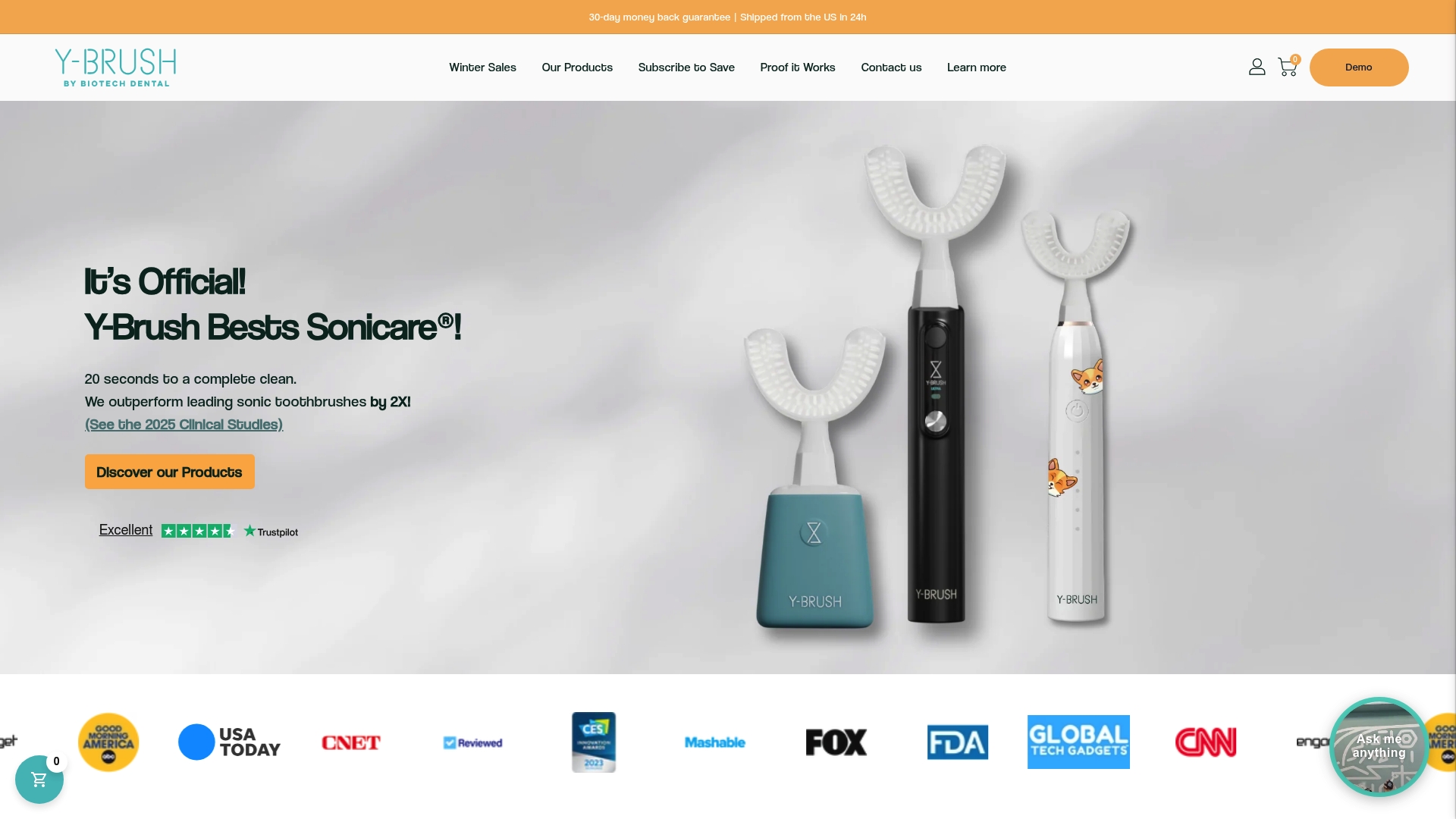
The Y-brush Essential Sonic Toothbrush uses a U-shaped sonic mouthpiece to clean all teeth simultaneously in just 20 seconds, removing the time barrier that causes most people to cut brushing short. For younger brushers, the Y-brush KidsBrush applies the same technology in a size designed for children ages 4–12. Both models use rechargeable batteries and replaceable brush heads. If you want to see the full product range, Y-brush’s latest models are listed on the site.
FAQ
What is the difference between a sonic and an oscillating toothbrush?
A sonic toothbrush vibrates bristles at high frequency to dislodge plaque through fluid dynamics, while an oscillating toothbrush spins a small round head back and forth. Both outperform manual brushing, but sonic models tend to cover slightly more surface area per stroke.
Are automatic toothbrushes safe for kids?
Automatic toothbrushes are safe for children and often more effective because they remove the need for precise manual technique. Child-sized brush heads and lower vibration settings, like those on the Y-brush KidsBrush, reduce the risk of gum irritation for younger users.
How often should I replace the brush head on an electric toothbrush?
Replace the brush head every three months, or sooner if the bristles show visible wear or splaying. Worn bristles reduce plaque removal effectiveness regardless of how powerful the motor is.
Do automatic toothbrushes help with gum disease?
Clinical evidence shows that electric brushes reduce gingivitis risk by 11% compared to manual brushing over three months. For active gum disease, consult a dentist, as a toothbrush alone is not a substitute for professional treatment.
Is a U-shaped automatic toothbrush as effective as a standard electric brush?
U-shaped mouthpiece brushes clean all teeth simultaneously and can complete a cycle in 30 seconds, but effectiveness depends on proper fit and following the device’s cycle instructions. Standard oscillating and sonic brushes offer more flexibility for targeting specific problem areas.


