


Dental health monitoring, at the consumer level, means tracking your daily brushing time, plaque control, and simple visual signals like gum color or tooth staining using tools you already own or can easily buy: smart toothbrushes, plaque-disclosing tablets, timers, and your phone camera. Done consistently, it turns guesswork into a routine you can actually measure. That matters because most people brush for far less than the American Dental Association’s recommended two minutes, twice daily, and Cleveland Clinic research links that full two minutes to noticeably better plaque removal than a rushed one-minute pass, Monitoring closes that gap between what you think you’re doing and what’s actually happening in your mouth.
Pro Tip: Start tonight with a two-minute phone timer and a plaque-disclosing tablet once this week. The tablet stains whatever your brush missed so you’ll know exactly which teeth need more attention tomorrow.
Key Takeaways
Consistent two-minute brushing tracked with a timer, app, or plaque-disclosing tablet produces measurable plaque reduction within weeks and sharper, more useful dentist visits.
| Point | Details |
|---|---|
| Hit two full minutes | Brushing two minutes twice daily removes more plaque than rushed one-minute sessions. |
| Use a plaque test weekly | Disclosing tablets reveal missed zones invisible to a mirror check, guiding where to focus. |
| Give it four weeks | Case-report evidence shows plaque and gum scores can improve progressively over a month of tracking. |
| Know the red flags | Persistent pain, bleeding, or swelling need a dentist, not another week of app data. |
| Consider Y-Brush for consistency | Its 20-second Y-shaped brush head and membership plans make hitting daily targets easier to sustain. |
Table of Contents
- Common Tools for Tracking Your Brushing Habits
- Does Monitoring Your Brushing Actually Improve Oral Health?
- What At-Home Monitoring Can’t Tell You
- Your Four-Week Plan to Start Monitoring Today
- What to Look for When Buying a Monitoring Tool
- A Faster Way to Build a Monitoring Habit
- What Actually Matters When You Start Tracking
- Frequently Asked Questions
- Sources
Common Tools for Tracking Your Brushing Habits
You don’t need expensive gear to start monitoring your oral hygiene. The right tool depends on your budget and how much detail you want.
- Smart toothbrushes use accelerometers and pressure sensors paired with a smartphone app to log brushing time, missed zones, and how hard you’re pressing, giving you real-time coaching instead of a guess.
- Plaque-disclosing tablets or lights stain or illuminate plaque you can’t see in a mirror check, making them one of the most reliable at-home audits for spotting missed spots.
- Manual timers or a two-minute song cost nothing and solve the single biggest problem: most people stop brushing before the clock actually hits two minutes.
- Floss and interdental brushes catch the plaque between teeth that even a great brushing session leaves behind, since plaque can harden into tartar within about 24 hours if it’s not disrupted.
- Water flossers offer an easier alternative for people who find string floss awkward, especially around bridges or braces.
- Oral photos taken weekly with your phone create a visual timeline of gum color and staining that’s easy to compare month to month.
- Smart night guards are a newer, higher-cost option that can track grinding and bite pressure overnight.
Budget-wise, timers and disclosing tablets are inexpensive, while water flossers and mid-tier smart brushes are moderately priced. Premium smart toothbrush systems with app subscriptions and replacement head plans can cost more over a year. What actually makes a device “smart” is the combination of sensors, Bluetooth connectivity, and an app that turns raw motion data into a coaching report. That combination is what buys you the adherence boost, not the sensor alone.
Does Monitoring Your Brushing Actually Improve Oral Health?
Yes, and the evidence is specific. Brushing a full two minutes, twice daily, produces measurably better plaque reduction than a one-minute session, according to Cleveland Clinic, which breaks that down to about 30 seconds per quadrant and several seconds per tooth. That’s the baseline every monitoring tool is designed to help you hit.
The benefits compound in ways people don’t expect:
- Dentists become coaches, not lecturers. When you show up with a brushing log or app report, your dentist visit shifts from generic reminders to specific technique fixes.
- Improvement shows up within weeks. A peer-reviewed case report tracked plaque and gingival index scores dropping progressively over a four-week period once a patient combined disclosing solution use with coaching and follow-up.
- Zone tracking catches blind spots. A common early win: someone discovers their lower-left molars get skipped every single time, then corrects it with a deliberate zone-focused pass.
What At-Home Monitoring Can’t Tell You
Consumer tools are useful for building habits, but they can’t diagnose a cavity, detect early gum disease below the gumline, or replace a professional cleaning. A plaque-disclosing tablet shows you where you missed. It doesn’t tell you if that missed spot has already become a cavity.
Certain signs mean it’s time to call a dentist, not adjust your brushing app:
- Bleeding that doesn’t stop after a normal brushing or flossing session
- Persistent, severe tooth or jaw pain
- Swelling in the gums or face
- A tooth that suddenly feels loose
- Visible signs of infection, like a pimple-like bump on the gum
- White or brown spots that don’t fade after a few weeks of improved brushing
Think of home monitoring as your daily maintenance log, not a diagnostic tool. It tells you where to focus. It doesn’t replace the exam chair.
Your Four-Week Plan to Start Monitoring Today
Turning monitoring into a real habit takes about a month of consistent tracking. Here’s a week-by-week structure that works whether you’re using a $5 tablet or a connected smart brush.
- Week 0: Set your baseline. Take a clear phone photo of your smile and run one plaque-disclosing test to see your current trouble spots.
- Week 1: Commit to the full two minutes. Start a timer or app for every session, morning and night, and note which zones the tablet or app flags as missed.
- Week 2: Review and adjust. Check your app’s weekly report or repeat the disclosing tablet, then deliberately spend extra seconds on whatever zone keeps showing up dirty.
- Weeks 3 and 4: Retest and compare. Run the plaque test again and hold it next to your Week 0 photo. If staining or gum color hasn’t improved, or if you notice new sensitivity, bring both sets of results to your dentist.
A no-cost route using a phone timer and drugstore disclosing tablets can show visible improvement by the end of week four, consistent with the gradual plaque reductions documented in coached case studies. A smart toothbrush with a subscription plan won’t necessarily work faster, but it automates the tracking so you don’t have to remember to run the manual test yourself.
Pro Tip: Screenshot or export your app’s brushing reports before you switch phones or change subscription plans. Most apps don’t transfer history automatically, and losing your baseline data means starting your timeline over.
What to Look for When Buying a Monitoring Tool
Not every feature on a smart toothbrush box matters equally. Separate what you need from what’s just nice to have.
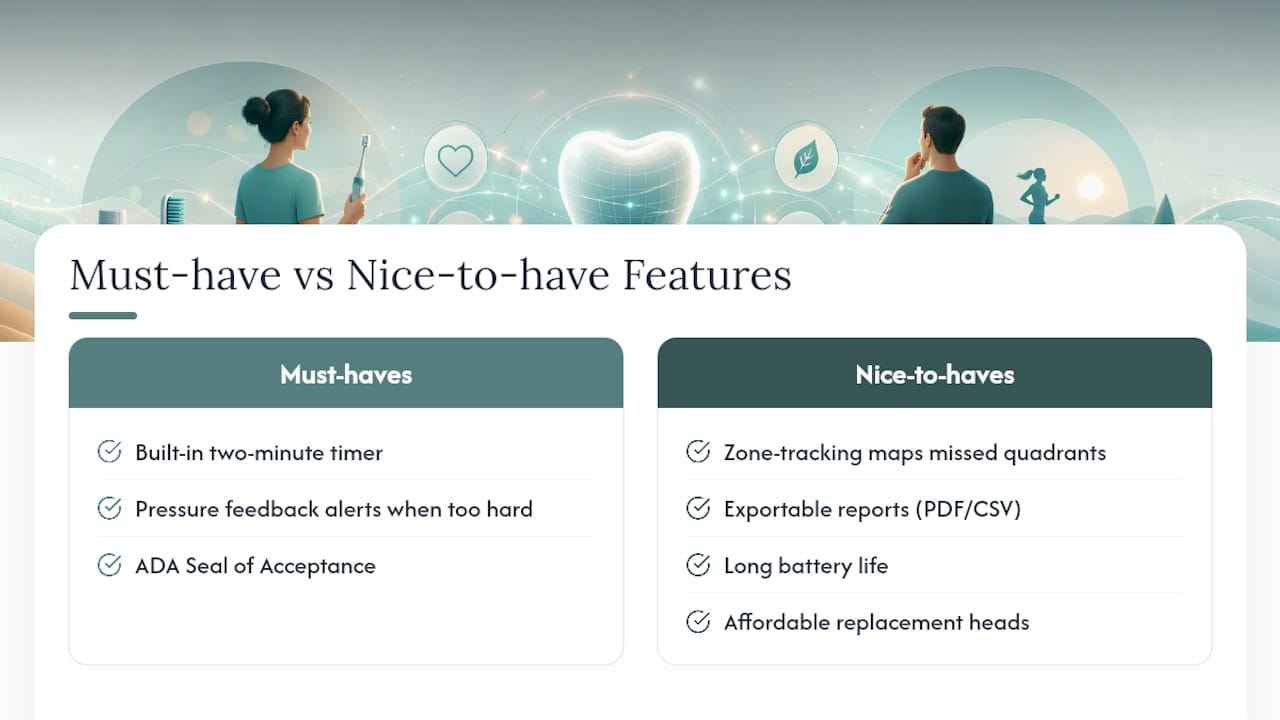
Must-haves: a built-in two-minute timer and gentle pressure feedback that alerts you when you’re brushing too hard, since heavy pressure damages enamel and gums without improving plaque removal.
Nice-to-haves: zone-tracking that maps which quadrants you’re missing, exportable reports you can hand to your dentist, long battery life, and affordable replacement heads.
Look for the ADA Seal of Acceptance, which means the manufacturer has submitted evidence of safety and effectiveness. Also check the replacement head schedule. The ADA recommends swapping toothbrush heads every few months, typically around three to four months, and subscription pricing should be transparent enough that you can calculate your real annual cost, not just the sticker price on the handle.
Pro Tip: Before you download any oral health app, check its privacy settings and confirm you can export your data as a PDF or CSV. That file is what actually lets you share progress with your dentist instead of scrolling through your phone in the waiting room.
One more distinction worth knowing: a one-time purchase plus occasional replacement heads tends to cost less over several years than a subscription-first model, though subscriptions do guarantee you never forget to reorder. Platforms built for dental professionals, like Avitra’s AI charting tools, show where this is heading: the more structured your at-home data, the more useful it becomes once it lands in a clinical setting.
A Faster Way to Build a Monitoring Habit
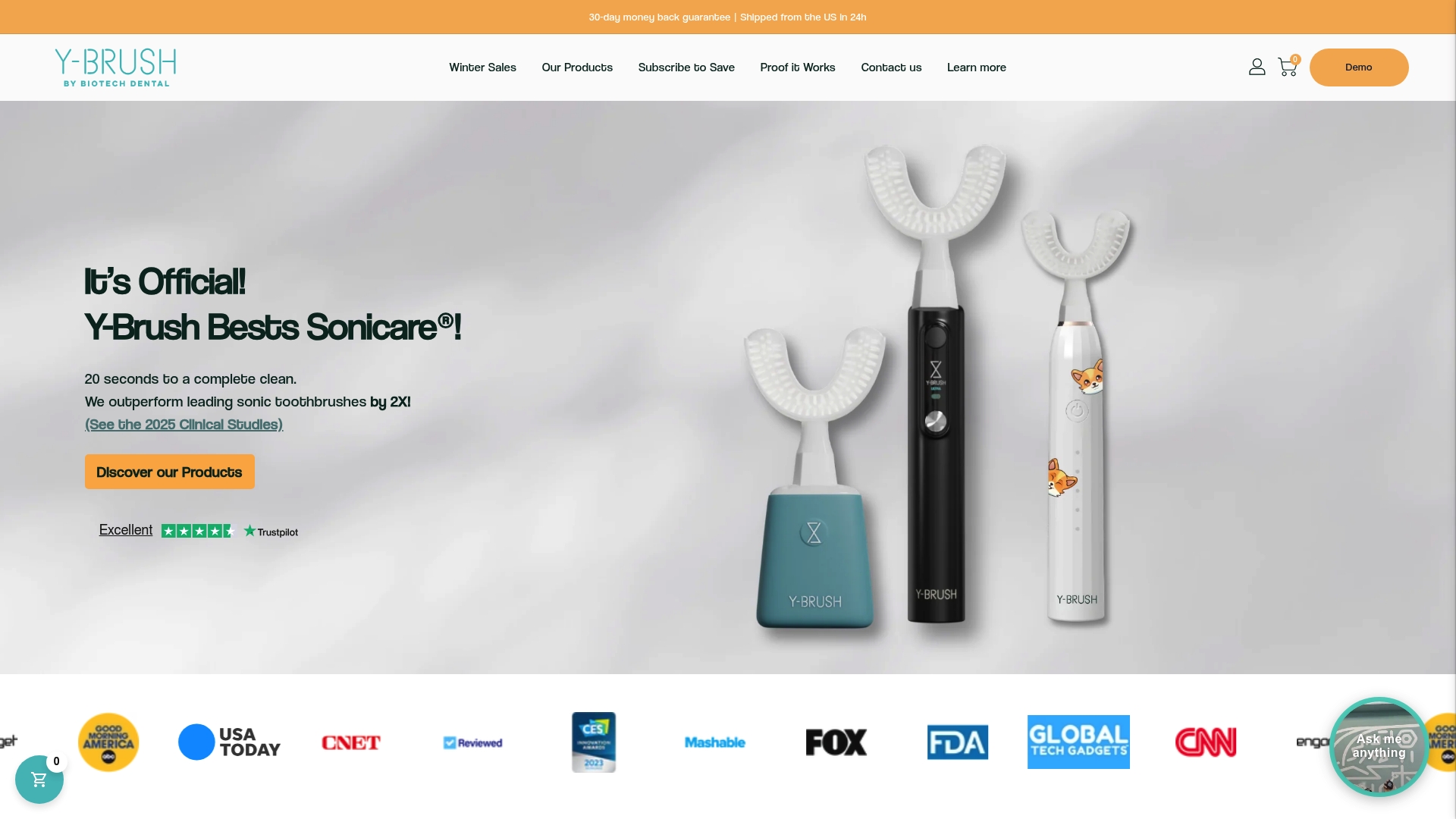
Everything above works, but consistency is the hardest part of any monitoring routine, and that’s exactly where Y-Brush fits in. Its patented Y-shaped brush head cleans all your teeth in 20 seconds using sonic vibrations, which removes the single biggest obstacle to hitting your two-minute target: most people just don’t finish.
When brushing takes 20 seconds instead of feeling like a chore you rush through, showing up twice daily stops being a struggle. Y-Brush also offers membership plans that handle replacement head delivery automatically, so you’re never brushing with worn bristles past the three-to-four-month mark the ADA recommends. If you’re comparing options for a household that includes kids or multiple users, browse the full product lineup and check which membership tier matches how many people in your home need consistent coverage.
What Actually Matters When You Start Tracking
The habit beats the gadget every time. A five-dollar plaque-disclosing tablet used consistently will teach you more about your brushing blind spots than a $150 smart brush left in a drawer after week two. Prioritize whichever zone your tablet or app keeps flagging red, not perfection everywhere at once.
The real shift happens at the dentist’s chair. Walk in with even two weeks of brushing logs or before-and-after photos, and the conversation changes from a generic reminder to specific coaching on your actual habits. A common early win: realizing you’ve been neglecting your back molars for years, and fixing it takes one focused week, not a lifetime of guilt.
Frequently Asked Questions
What is dental health monitoring, exactly? It’s the practice of tracking your daily brushing time, plaque control, and simple oral signals, like gum color or staining, using tools such as smart toothbrushes, disclosing tablets, and phone photos, so you can see and correct problems before your next dental visit.
How is dental health tracking different from just brushing regularly? Regular brushing is the action; tracking adds a feedback loop. A timer or app tells you whether you actually reached two minutes, and a plaque test shows whether that time was spent effectively across every tooth.
Can at-home tools replace a dentist visit? No. Consumer monitoring tools can’t diagnose cavities or gum disease. They help you maintain better daily habits and give your dentist more specific information, but a professional exam and cleaning remain necessary.
How long does it take to see results from monitoring my oral hygiene? Case evidence shows measurable plaque and gum improvement within about four weeks of consistent tracking and coaching. Most people notice a difference in gum color or reduced bleeding within two to three weeks of hitting the two-minute target consistently.
Do I need a smart toothbrush to monitor my dental health effectively? Not necessarily. A phone timer and drugstore plaque-disclosing tablets cover the basics for free. A smart toothbrush adds convenience and automatic tracking, which can help with adherence and coverage.
This article is general information, not a substitute for advice from a qualified doctor. Consult a qualified healthcare professional about your own circumstances before acting on anything here.
Sources
- How often should you brush your teeth? — Cleveland Clinic Health Essentials
- Home oral care — American Dental Association
- Plaque tests and plaque-disclosing agents — MedlinePlus
- Case report: Use of plaque-disclosing solution and oral hygiene instruction — PMC (peer-reviewed case report)
- Dental wearables explained: smart guards, brushes & costs — DentalReviewed


