


Sonic toothbrushes are safe for most gums when you use a soft-bristled head, light guiding pressure, and a full two-minute routine. The vibration itself doesn’t injure tissue. What causes trouble is how the brush gets used.
- Generally safe: healthy adults, people managing gingivitis with a gentle technique, and anyone with limited hand dexterity who benefits from a powered brush doing more of the work.
- What actually causes risk: heavy pressure, stiff or worn bristles, a bad angle at the gumline, or brushing too soon after gum surgery.
- Red flags that mean stop and call a dentist: bleeding that doesn’t ease up, new gum recession, or soreness that lingers for days.
Key Takeaways
Sonic toothbrushes are safe for most gums because vibration alone doesn’t damage tissue. Pressure, bristle stiffness, and technique are what determine whether gums stay healthy or get irritated.
| Point | Details |
|---|---|
| Verdict | Sonic brushes are safe for most users with soft heads, light pressure, and correct technique. |
| Evidence is modest, not dramatic | Powered brushes offer a small, statistically real edge over manual brushing, not a dramatic one. |
| Technique beats technology | Habitual brushing quality matters as much as whether sonication is switched on. |
| Watch for red flags | Persistent bleeding, new recession, or lingering soreness mean it’s time to see a dentist. |
| Maintain your equipment | Replace brush heads every 3 to 4 months and choose soft bristles over medium or hard. |
| Where Y-brush fits | Y-brush’s sonic lineup offers soft heads, gum-care modes, and scheduled refills for gum-conscious brushing. |
Table of Contents
- How Sonic Brushes Act at the Gumline
- What the Evidence Says About Sonic Brushes and Gum Health
- When a Powered Brush Can Actually Hurt Your Gums
- A Practical Checklist for Brushing Without Hurting Your Gums
- When to Stop and Call Your Dentist
- Habits That Keep Gum Risk Low Over Time
- If You Want a Sonic Option Built for Sensitive Gums
- Frequently Asked Questions
- Sources
How Sonic Brushes Act at the Gumline
“Sonic” refers to high-frequency, side-to-side vibrations, typically tens of thousands of movements per minute, that shake the bristles and stir up fluid around the gumline and between teeth. That fluid motion helps knock plaque loose from spots a manual brush’s simple back-and-forth scrub tends to miss.
Here’s the part people misunderstand: vibration is not a cutting action. Tissue trauma comes from mechanical pressure and bristle stiffness pressed into the gum, not from the frequency of the vibration itself. A sonic brush moving at high speed with a soft head and a light hand is gentler on tissue than a manual brush scrubbed hard with a stiff one.
- Vibration dislodges plaque through fluid movement, not friction against tissue.
- Bristle stiffness and applied force, not motor speed, determine how much wear happens at the gumline.
- Interdental spaces benefit from the fluid dynamics in a way static bristles can’t replicate.
Pro Tip: Vibration doesn’t cut tissue. Let the sonic motion do the cleaning while your hand just guides the brush along the gumline.
What the Evidence Says About Sonic Brushes and Gum Health
The American Dental Association states that both manual and powered toothbrushes remove plaque and reduce gum inflammation effectively when used properly, and it recommends powered brushes specifically for people who need extra plaque control or have dexterity limitations. That’s a meaningful distinction: the ADA isn’t saying sonic beats manual across the board. It’s saying powered brushes solve a specific problem for specific people.
A systematic review and network meta-analysis comparing powered and manual brushes found powered brushes give a small but statistically significant edge for plaque removal after a single brushing. Oscillating-rotating models edged out high-frequency sonic brushes by a small margin in that analysis, though the researchers describe the gap as clinically modest rather than decisive.
- Powered brushes generally outperform manual brushing on plaque and gingivitis scores in short-term trials.
- Oscillating-rotating brushes rank slightly higher than sonic in some comparisons, but the difference is small.
- Technique still drives outcomes more than the brush category.
That last point gets confirmed by a video-controlled clinical trial, which found that habitual brushing reduced plaque about the same whether sonication was switched on or off. In other words, a lot of the benefit comes from the brushing itself, not the vibration alone, when technique varies from person to person. Consumer Reports notes that periodontists such as Dr. Sally Cram often recommend sonic brushes for patients with gum problems specifically because the high-frequency vibration reaches the gumline and interdental spaces efficiently, even with mixed head-to-head comparison data.
When a Powered Brush Can Actually Hurt Your Gums
Ranked by how often they show up in practice, these are the real culprits behind gum damage:
- Aggressive pressure or scrubbing. Pressing hard, thinking it cleans better, is the single most common cause of gumline wear.
- Hard or worn bristles. A flared or medium/hard head turns routine brushing into low-grade abrasion.
- Wrong angle. Brushing straight across at 90 degrees instead of angling toward the gumline drives bristles into soft tissue.
- Abrasive toothpaste combined with force. Gritty whitening pastes plus heavy pressure compound the wear.
Certain conditions raise the stakes further: recent periodontal surgery, untreated severe periodontitis, and any condition that slows healing all call for extra caution before resuming a full brushing routine. One telltale sign that a brush, not disease, is behind the damage: triangular notches at the gumline on the same teeth you tend to press hardest, paired with recession that traces your brushing pattern rather than appearing evenly across the mouth.
A Practical Checklist for Brushing Without Hurting Your Gums
- Start with soft or extra-soft heads. Replace them every 3 to 4 months, sooner if bristles look frayed.
- Use gentle, guiding pressure. Let the motor do the work. Your job is to steer, not scrub.
- Angle at 45 degrees toward the gumline and move slowly across each quadrant instead of racing through.
- Set a two-minute timer, twice daily, and pick a gum-care or sensitive mode if your brush has one.
- Test your pressure. Try a toothpaste-tube pressure test (if you can dent the tube brushing, you’re pressing too hard) or use a pressure-sensor feature if your brush has one. Some powered brushes now build in pressure sensors and gum-care modes specifically to stop overbrushing before it starts.
If you’re switching from manual to a sonic model built for sensitive gums, give yourself a week of mirror practice to relearn the angle and pressure.
Pro Tip: If switching to a powered brush causes bleeding in the first week, don’t push through it. Ease off the pressure and check in with your hygienist before continuing.

When to Stop and Call Your Dentist
Three signs mean it’s time for a professional look rather than a technique fix: bleeding that persists despite gentler brushing and regular flossing, gum recession that’s new or picking up speed, and pain or pus that doesn’t resolve on its own.
- If you’ve had gum or oral surgery, wait for your dentist’s clearance before resuming a powered brush and follow their specific post-op instructions.
- If symptoms stick around after you’ve adjusted pressure and technique, book a clinical exam. Photos of the affected area help your dentist track changes over time.
Habits That Keep Gum Risk Low Over Time
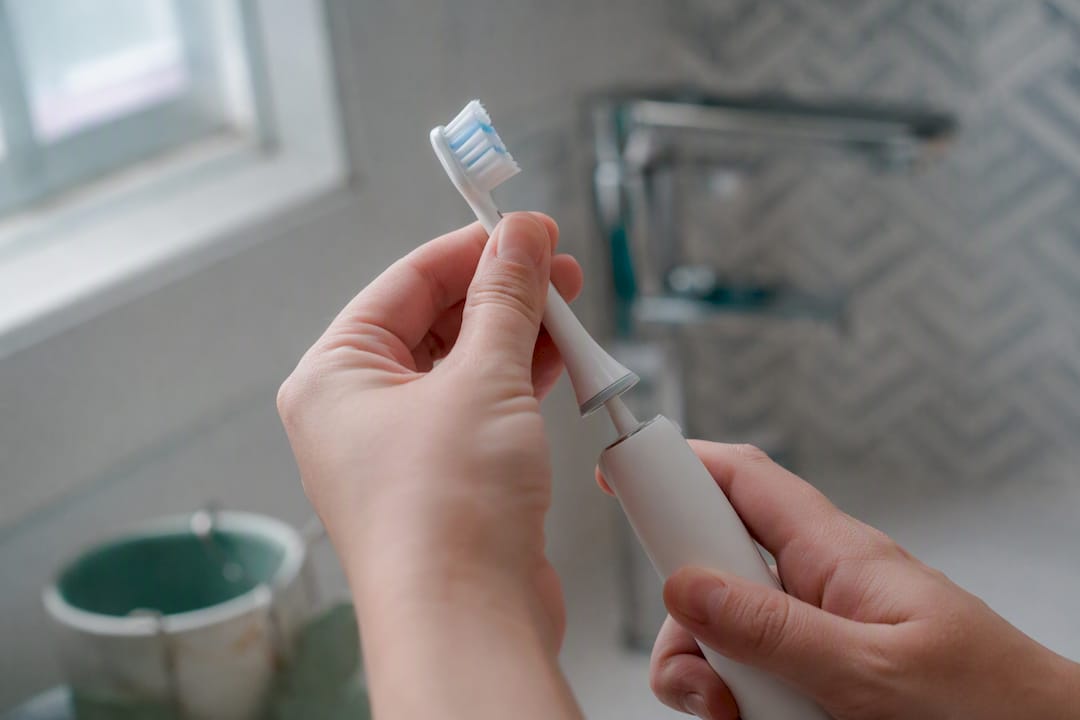
Small, consistent habits do more for gum health than any single brushing session. Worn or flared bristles lose their cleaning edge and turn abrasive, so replace heads regularly, or sooner if you notice fraying.
- Stick with small heads and soft or extra-soft nylon bristles. Skip medium or hard entirely.
- Pair brushing with daily interproximal cleaning, whether that’s floss, interdental brushes, or a water flosser.
- Track your replacement schedule the same way you’d track any recurring health habit, not as an afterthought.
A Publisher’s Note on Sensitive Gums
The evidence here isn’t flashy, but it’s consistent: sonic brushing helps most people when the technique is right, and the risk lives almost entirely in pressure and bristle choice, not the vibration itself. If you’re shopping with sensitive gums in mind, prioritize soft heads, a gum-care mode, and pressure awareness over whatever frequency number sits highest on the box.
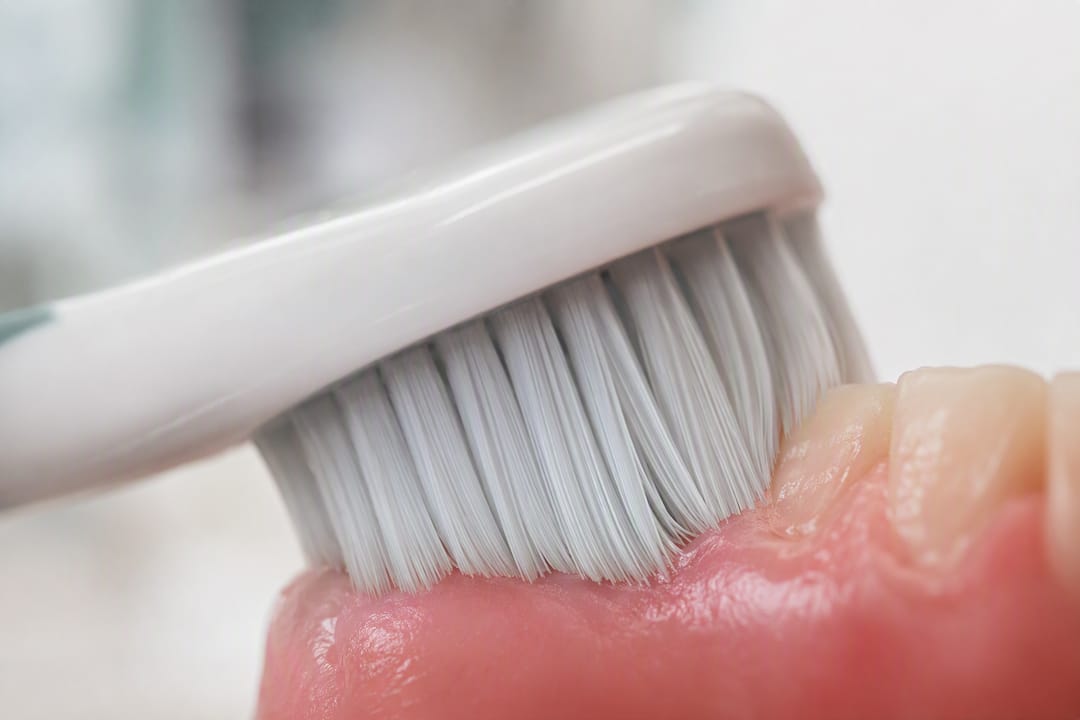
If You Want a Sonic Option Built for Sensitive Gums
If gentle, gum-aware brushing is the goal, look for a brush that pairs a soft head with real pressure awareness rather than raw vibration count. Y-brush’s sonic lineup includes soft head options and gum-focused settings designed around exactly the safe-use habits covered above: light pressure, a full two-minute cycle, and a head that won’t fight your gumline.
Bristle wear is one of the most common, most overlooked causes of gum irritation, which is why a scheduled refill matters as much as the brush itself. Y-brush’s membership plan sends replacement heads on a set schedule, so you’re not brushing with flared, abrasive bristles for weeks past their prime. If you’re dealing with active periodontal disease or recent gum surgery, talk to your dentist before adding a new powered brush to your routine. Otherwise, browse the Essential sonic toothbrush to see the soft-head and gum-mode setup built for exactly this kind of cautious, gum-first brushing.
Frequently Asked Questions
Do sonic toothbrushes hurt gums more than manual brushes? Not when used correctly. Evidence points to pressure and bristle stiffness as the real cause of gum irritation, not the vibration frequency, and sonic brushes with soft heads are generally gentler than a manual brush scrubbed hard.
What’s the best toothbrush for gums that bleed easily? Look for a sonic model with a soft or extra-soft head, a gum-care mode, and a pressure sensor. Combine it with a gentle 45-degree angle and consistent flossing.
How often should I replace my sonic toothbrush head? Every 3 to 4 months, or sooner if the bristles start to flare or splay outward, since worn bristles clean less effectively and can become abrasive.
Can I use a sonic toothbrush after gum surgery? Wait for your dentist’s clearance first. Post-surgical tissue needs time to heal, and resuming powered brushing too early can interfere with recovery.
Is more vibration frequency always better for gum health? No. Evidence shows the difference between brush types is modest, and correct technique, gentle pressure, and proper bristle choice matter more than a brush’s maximum advertised speed.
This article is general information, not a substitute for advice from a qualified doctor. Consult a qualified healthcare professional about your own circumstances before acting on anything here.
Sources
- Oral health: A window to your overall health - Mayo Clinic
- Home Oral Care | American Dental Association
- Systematic review and network meta-analysis on PTB vs MTB (Wiley online library)
- Video-controlled clinical trial on sonic toothbrush efficacy (PLOS ONE, 2021)
- Which kind of electric toothbrush is better: Rotating or sonic? - Consumer Reports


