


TL;DR:
- Mouthpiece electric toothbrushes cover all teeth at once and use sonic vibrations for efficient cleaning.
- While they significantly reduce brushing time and can remove more plaque in some cases, fit, replacement, and proper use remain crucial.
Most people assume all electric toothbrushes work the same way. You grab a handle, attach a small brush head, and scrub. But the electric toothbrush mouthpiece category operates on an entirely different principle, and that distinction matters far more than most consumers realize. These full-coverage devices promise to clean every tooth simultaneously in a fraction of the usual brushing time. That sounds too good to be true. Sometimes it is. This guide cuts through the marketing, explains the technology honestly, and helps you decide whether a mouthpiece for electric toothbrush use belongs in your bathroom.
Table of Contents
- Key takeaways
- How electric toothbrush mouthpieces work
- Mouthpiece vs. traditional electric toothbrushes
- Choosing the right mouthpiece and replacement options
- Maintaining oral health with your mouthpiece device
- My take on mouthpiece toothbrushes in 2026
- Why Y-Brush fits where other devices fall short
- FAQ
Key takeaways
| Point | Details |
|---|---|
| Mouthpiece design is distinct | A mouthpiece covers all teeth at once, unlike small interchangeable heads on standard brushes. |
| Speed advantage is real | Some mouthpiece models reduce brushing time to around 30 seconds while maintaining effective plaque removal. |
| Clinical results are promising | Studies report up to 10x more plaque removal compared to manual brushing in select models. |
| Replacement frequency matters | Replace mouthpieces on the same schedule as standard brush heads, roughly every three months, for best hygiene. |
| Not every model delivers | Independent testing confirms some mouthpiece toothbrushes fall short on cleaning thoroughness, so brand selection is critical. |
How electric toothbrush mouthpieces work
The core design of an electric toothbrush mouthpiece looks nothing like a traditional brush head. Instead of a small oval head that cleans one or two teeth at a time, a mouthpiece wraps around all teeth simultaneously, covering both the inner and outer surfaces in one placement. You bite down, the device activates, and the cleaning happens across your entire mouth at once.
Most mouthpiece toothbrushes rely on sonic vibration technology. Sonic brushes generate rapid oscillating movements, typically tens of thousands of vibrations per minute, which create fluid dynamics in your saliva and toothpaste. This fluid dynamics effect disrupts and loosens plaque beyond just the bristle contact area, which is why sonic mouthpieces can clean between teeth and along the gumline without you physically moving the device.
The distinction from a standard electric toothbrush replacement head is significant. A traditional replaceable head is a small, targeted tool you guide across each tooth in a deliberate pattern. A mouthpiece operates as a full-coverage mouthguard design, which is a separate product category entirely, with different mechanics, different fit considerations, and different performance expectations.
Here is what drives the cleaning in most mouthpiece models:
- Sonic vibration: High-frequency bristle movement that generates fluid pressure around each tooth
- Full-arch contact: Simultaneous coverage of all upper or lower teeth in one placement
- Passive technique: The user holds position rather than manually guiding the brush
- Timer integration: Most models run a set cycle, removing user guesswork on duration
Clinical data on select mouthpiece models shows a 93% reduction in gum inflammation after two weeks of consistent use. Those numbers come from manufacturer-affiliated studies, so they deserve some healthy skepticism. But the technology behind them is sound.
Pro Tip: When first using a mouthpiece device, let the sonic vibration do the work. Resisting the urge to chew or apply pressure helps the fluid dynamics reach between teeth effectively.
Mouthpiece vs. traditional electric toothbrushes
Understanding where mouthpiece devices outperform and where they struggle helps you make a smarter purchase. Here is a direct comparison across the factors that matter most.
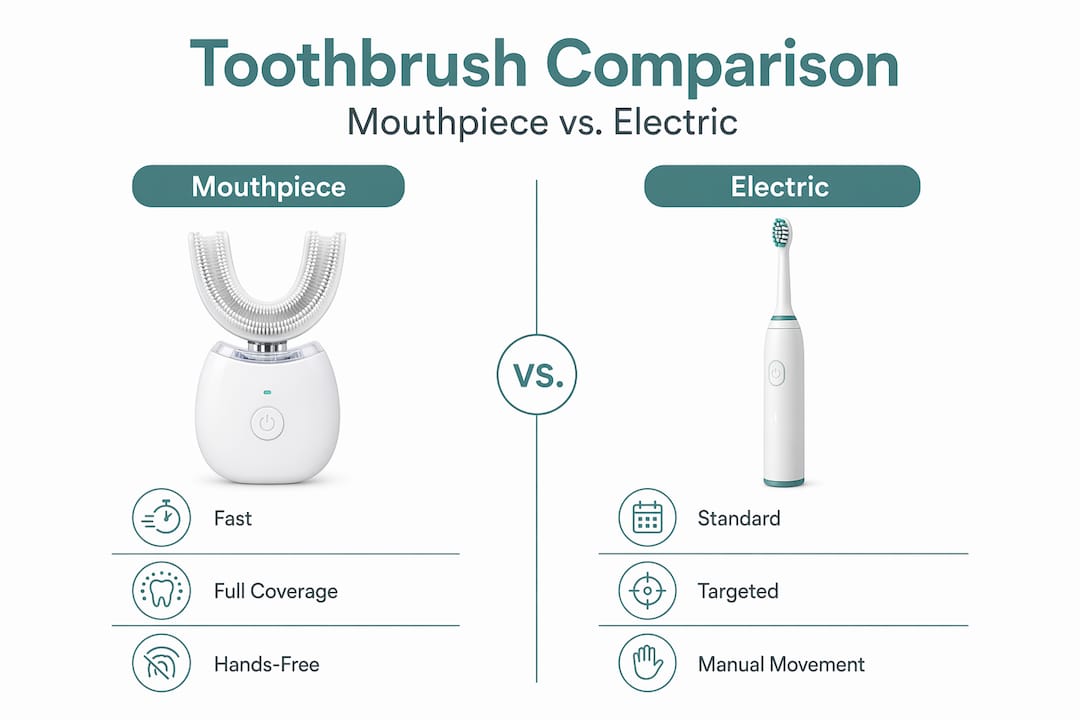
| Category | Mouthpiece electric toothbrush | Standard electric toothbrush |
|---|---|---|
| Brushing time | ~20 to 30 seconds per arch | 2 minutes recommended |
| Cleaning coverage | Simultaneous full arch | One to two teeth at a time |
| User technique required | Minimal, passive hold | Active guidance needed |
| Fit comfort | Varies by mouth size | Universal small head |
| Replacement cost | Higher per unit | $5–$15 per head |
| Learning curve | Short to moderate | Minimal |
| Clinical plaque data | Strong for select models | Well established |
The time efficiency argument is where mouthpiece designs shine brightest. Autobrush technology demonstrates up to 5.1x better cleaning in 30 seconds compared to manual brushing, and Y-Brush’s own 20-second cleaning model reflects the same principle. For the 90% of people who brush for under a minute in practice, a device designed to deliver thorough cleaning in 20 seconds addresses the real problem rather than demanding better behavior.

That said, mouthpiece devices come with real tradeoffs. Comfort and fit vary considerably from person to person. People with smaller mouths, dental work like crowns or bridges, or unusual tooth spacing may find that a mouthpiece does not seat well against all surfaces. Independent testing cautions that some mouthpiece models do not clean as thoroughly as their marketing suggests, particularly in hard-to-reach areas.
A few other practical considerations worth noting:
- Cost per replacement: Mouthpieces tend to cost more to replace than standard heads, so factor that into your annual budget.
- Portability: Mouthpiece devices are bulkier than traditional brush handles, which matters for travel.
- Shared use: You cannot share the handle the way you might with a standard electric brush where only heads are swapped.
Pro Tip: Before committing to a mouthpiece model, check the brand’s sizing guide. Many offer multiple mouthpiece sizes. Choosing the right fit from the start prevents poor contact and disappointing results.
Choosing the right mouthpiece and replacement options
Selecting a mouthpiece electric toothbrush involves more than picking a price point. The features built into the device determine whether it actually improves your oral health or just feels faster.
-
Check for a pressure sensor. A pressure sensor is one of the most practically useful features on any electric toothbrush. It alerts you when you are brushing too hard, which protects gums and enamel. This matters especially with mouthpiece designs, where the tendency to bite down firmly can cause unintended pressure on sensitive gum tissue. Pressure sensors are particularly valuable for users with sensitive gums or aggressive brushing habits.
-
Look for a built-in timer. A two-minute timer remains the dentist-recommended standard for complete oral coverage. For mouthpiece models designed for shorter cycle times, a timer or automatic shutoff still disciplines the cleaning process and removes any guesswork.
-
Evaluate replacement mouthpiece availability. Before purchasing, confirm you can easily source electric toothbrush replacement mouthpieces for that specific model. Proprietary designs that are hard to find or expensive to replace create maintenance headaches. Dentists recommend changing brush heads, and by extension mouthpieces, every three months to maintain hygiene and cleaning performance.
-
Read independent reviews, not just brand claims. Expert reviews consistently note that a pressure sensor and timer matter more than price for overall effectiveness. A $50 device with both features outperforms an $80 device without them.
-
Prioritize mouth fit over aesthetics. A mouthpiece that looks sleek but sits loosely against your molars will leave plaque behind. Test any sizing charts, and if the brand offers a trial period, use it.
One commonly overlooked consideration is compatibility with advanced toothbrush tech features such as app connectivity or custom brushing modes. These add convenience, but they are secondary to fit, sensor quality, and replacement accessibility. Get the fundamentals right before chasing extra features.
Pro Tip: Set a recurring calendar reminder every three months for your electric toothbrush replacement. Worn mouthpiece bristles reduce cleaning contact area significantly and are one of the most common reasons users report disappointing results.
Maintaining oral health with your mouthpiece device
The electric toothbrush cleaning guide principles for mouthpiece devices differ slightly from traditional brushing routines, and those differences affect your results directly.
The most consistent recommendation from dental professionals is to let the device work passively. Because sonic mouthpieces use fluid dynamics for cleaning, your job is to hold steady, not scrub. Moving the device around or biting rhythmically during the cycle can interrupt the vibration pattern and reduce effectiveness.
Here are the practices that maximize results with a mouthpiece toothbrush:
- Wet the mouthpiece before use to activate bristle contact and improve toothpaste distribution across all surfaces.
- Use fluoride toothpaste applied evenly inside the mouthpiece tray, so all surfaces receive consistent coverage during the cycle.
- Brush twice daily at consistent times. The benefits of electric brushing compound when the routine is maintained rather than sporadic.
- Rinse the mouthpiece thoroughly after every use and allow it to air dry. Moist bristle environments promote bacterial growth, which is the opposite of what you are trying to achieve.
- Floss daily. No mouthpiece device fully replaces flossing. Even the best fluid dynamics do not replicate the mechanical scraping that removes buildup from tight interproximal spaces.
- Monitor your gums. Early signs of improvement with a mouthpiece device include less bleeding during brushing within the first two weeks. Persistent bleeding or gum recession warrants a dentist visit regardless of your brush choice.
Incorporating these effective oral care habits alongside your mouthpiece device gives you the complete routine. The device handles the mechanical cleaning efficiently. Your habits handle everything the device cannot.
My take on mouthpiece toothbrushes in 2026
I have watched consumer interest in mouthpiece electric toothbrushes grow steadily over the past few years, and the pattern I see is fascinating. People come in skeptical, test a device, and either become genuine converts or walk away frustrated. The difference almost always comes down to expectations, not technology.
What I have found is that the core problem mouthpiece devices solve is real. Most people do not brush long enough, and they never will through willpower alone. A device that delivers thorough cleaning in 20 seconds addresses the actual behavior, not an idealized version of it. That is worth taking seriously.
Where I push back is on the idea that any mouthpiece device is a complete substitute for professional dental guidance. I have seen users assume that a strong clinical claim on the box means they no longer need to floss or visit their dentist regularly. That is a dangerous shortcut. The mouthpiece design distinction from traditional heads matters, but no full-arch device has yet replicated the precision of a well-guided manual clean in the hands of someone who actually knows what they are doing.
My honest advice: treat a mouthpiece toothbrush as the upgrade it is, not the complete solution it is sometimes sold as. Used consistently, with proper replacement intervals and good complementary habits, these devices genuinely improve oral health outcomes. The technology has matured enough in 2026 to justify confidence in the right product.
— Joris
Why Y-Brush fits where other devices fall short
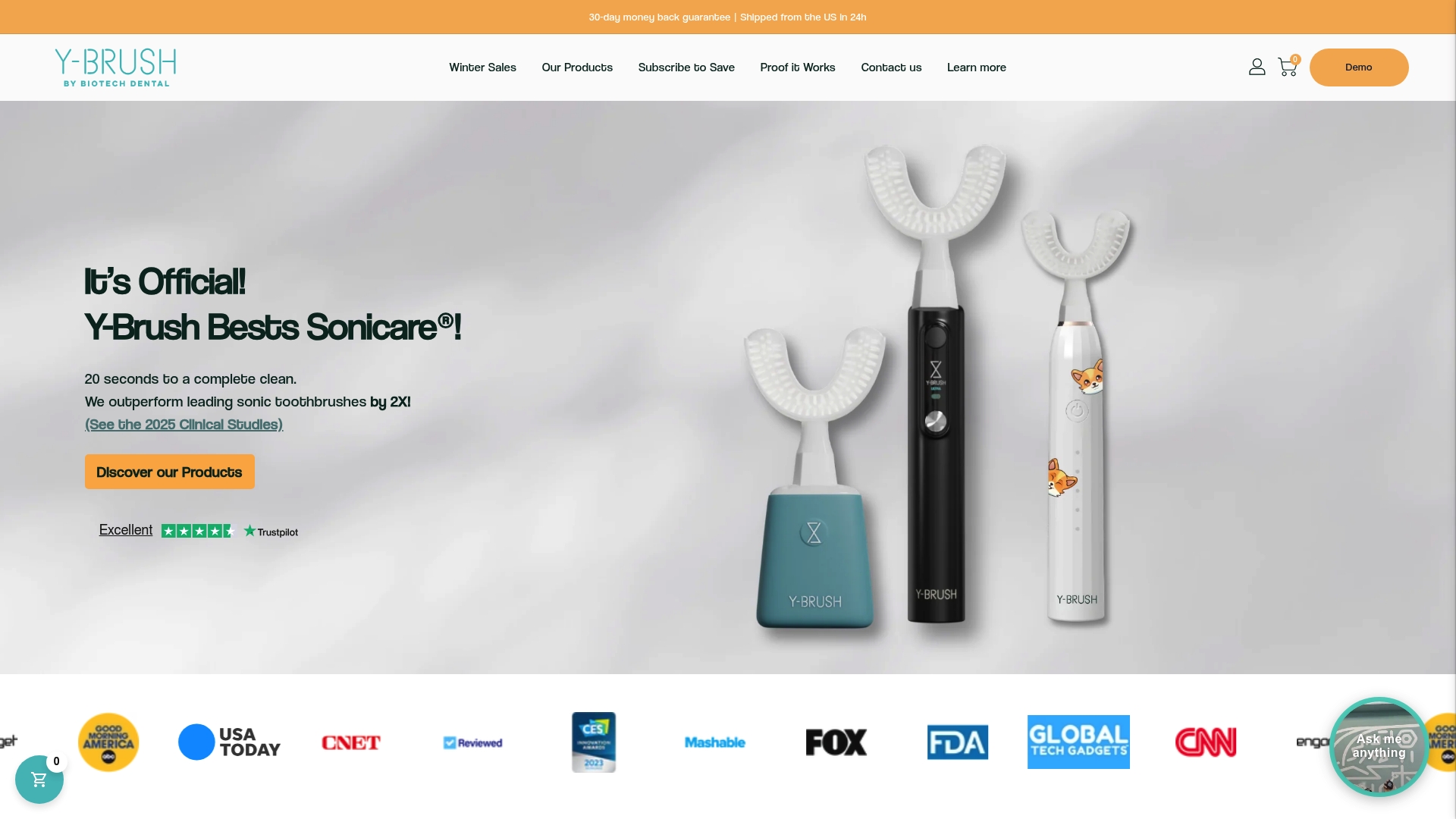
Y-Brush was built around a single insight: the two-minute brushing standard fails in practice because it demands behavior most people never sustain. The Y-Brush mouthpiece delivers a clinically effective clean in just 20 seconds, fitting real schedules without compromising results. Every element of the device, from the sonic vibration technology to the ergonomic mouthpiece tray, is designed around that goal.
Keeping your mouthpiece fresh is simple with Y-Brush membership plans, which deliver replacement mouthpieces on a schedule that matches the three-month dentist recommendation automatically. No calendar reminders needed. No scrambling for replacements when bristles wear down.
If you are ready to see what faster, more consistent oral care looks like in practice, explore the full Y-Brush product lineup and find the right fit for your routine.
FAQ
What is an electric toothbrush mouthpiece?
An electric toothbrush mouthpiece is a full-arch device that covers all teeth simultaneously and uses sonic vibration technology to clean the entire mouth in one placement, typically in 20 to 30 seconds.
How often should you replace a mouthpiece for electric toothbrush use?
Dentists recommend replacing brush heads and mouthpieces every three months to maintain hygiene and cleaning effectiveness, since worn bristles lose contact area and reduce plaque removal.
Do mouthpiece toothbrushes really remove more plaque?
Select mouthpiece models have shown up to 10x more plaque removal than manual brushing in clinical studies, though results vary by brand and individual fit.
What features matter most when choosing a mouthpiece electric toothbrush?
A pressure sensor and built-in timer are the most practically important features, as expert testing confirms these matter more to cleaning outcomes than price or extra connectivity options.
Can a mouthpiece toothbrush replace flossing?
No. Mouthpiece devices are highly effective at cleaning tooth surfaces, but flossing remains necessary for removing debris and plaque from between teeth where bristles and fluid dynamics cannot fully reach.


