


Wait 4 to 6 hours before brushing or flossing after most professional fluoride treatments, and if you received a varnish, waiting until the next morning gives it the most time to work. Eating and drinking rules are shorter: 30 minutes for most topical applications. Brushing too soon won’t damage your teeth. It just cuts the treatment’s effectiveness short.
TL;DR:
- Varnish-treated teeth should not be brushed or flossed for at least 4 hours, with many dentists recommending waiting until the next morning to maximize fluoride absorption.
- Gel or foam fluoride treatments typically require about 4 hours before brushing, while rinse-based treatments only need a 30-minute wait before eating or drinking.
- Eating, drinking, or rinsing within the first 30 minutes of treatment can reduce fluoride effectiveness, with hot foods and alcohol discouraged for up to 6 hours.
- Brushing too early does not harm the teeth but can significantly decrease fluoride uptake, diminishing the treatment’s cavity-preventing benefits.
- Using a thorough, fast-acting electric toothbrush, like one with a Y-shaped head, can help ensure proper cleaning after the wait period.
Table of Contents
- How Wait Times Differ by Fluoride Type
- Eating, Drinking, Flossing, and Mouthwash: What to Avoid and When
- Why the Wait Actually Matters
- Fluoride Treatment for Kids and Sensitive Patients
- What Happens If You Brush Too Soon
- Your Post-Treatment Checklist, Hour by Hour
- A Note on How This Gets Explained Chair-Side
- Make the Post-Wait Brush Count With Y-Brush
- Sources
- FAQ
How Wait Times Differ by Fluoride Type
Not every fluoride treatment behaves the same way in your mouth, and the type your dentist used determines how long you actually need to hold off on brushing after fluoride treatment.
Varnish is the sticky, painted-on version most adults and kids get today. It hardens on contact with saliva and needs time to release fluoride into the enamel. Casey Dental’s aftercare guidance recommends avoiding brushing and flossing for 4 hours, and many clinicians push that further, suggesting patients wait until the next morning to get the fullest benefit. The MI Varnish instructions for use are explicit on this point: the varnish should stay undisturbed on the teeth for 4 hours, with no brushing, flossing, hot foods, sticky foods, or alcohol during that window.

Gel or foam, applied in a tray for a few minutes in the chair, has shorter direct contact time than varnish. Even so, most offices still advise waiting around 4 hours before brushing, since the fluoride needs a chance to penetrate the enamel surface rather than get scrubbed off immediately.
Rinse-based fluoride treatments carry the lightest restrictions of the three. The main rule is holding off on eating or drinking for 30 minutes. Brushing afterward generally follows the same 4 to 6 hour guidance as varnish and gel, though some practices are more relaxed here since the product isn’t designed to sit on the tooth surface the way varnish does.
- Varnish: no brushing or flossing for 4 hours; next morning is often ideal
- Gel/foam: about 4 hours before brushing
- Rinse: 30 minutes before eating or drinking; 4 to 6 hours before brushing
Eating, Drinking, Flossing, and Mouthwash: What to Avoid and When
The timeline for food and rinsing habits is more forgiving than the brushing window, but it still matters. Skipping it can undo part of what the treatment just accomplished.
- First 30 minutes: Skip food and drinks entirely. This applies to nearly all topical fluoride applications, varnish included.
- 30 minutes to 4 hours: Stick to soft, cool, non-acidic foods. Think yogurt, mashed potatoes, or a smoothie rather than crunchy chips or citrus.
- 4 to 6 hours: Avoid hot beverages, alcohol, mouthwash, and flossing. Mouthwash in particular can rinse fluoride residue right off the enamel before it finishes absorbing.
- Evening appointments: If your varnish went on late in the day, many dentists recommend simply waiting until the next morning to brush rather than watching the clock overnight.
Flossing gets grouped with brushing because it physically disturbs the same surfaces fluoride needs to sit against. Mouthwash gets flagged separately because even a quick rinse can wash away varnish residue that hasn’t fully set.
Why the Wait Actually Matters

Fluoride varnish isn’t decorative. It forms a thin film that slowly releases fluoride into the enamel over several hours, and that slow release is the entire point of the treatment. Manufacturer instructions and clinic protocols build in contact time specifically because the mineral needs hours, not minutes, to work its way into the tooth surface.
Brushing, flossing, or rinsing too early physically removes the applied fluoride before it finishes doing its job. That’s the real consequence: reduced effectiveness, not damaged enamel. Nothing about brushing early hurts your teeth. It just means less fluoride actually made it where it needed to go.
The ADA recommends brushing twice a day with fluoride toothpaste for two full minutes, and stresses that maximizing contact time with topical fluoride is a key part of preventing cavities.
Two minutes, twice a day. That’s the ADA’s home-care standard, and it exists for the same reason the post-treatment wait exists: fluoride needs sustained contact with enamel to do meaningful work. Rushing through a 45-second brush is the daily version of the same mistake as brushing off a fresh varnish application. Both shortchange the mineral before it can finish its job.
Fluoride Treatment for Kids and Sensitive Patients
Children are among the most frequent recipients of fluoride varnish, and pediatric guidance treats it as a routine, well-supported part of cavity prevention. The American Academy of Pediatric Dentistry frames varnish as a key preventive tool for kids at elevated cavity risk, paired with counseling on diet and home hygiene rather than used as a standalone fix.
A few practical notes for parents and anyone with heightened sensitivity:
- Skip brushing and flossing for young children the day varnish is applied, then resume normal supervised brushing the next morning.
- Expect a yellowish or dull tint on the teeth right after application. That’s the varnish itself, not a problem.
- Rare reactions, like nausea after a large application or an asthmatic response, are documented in manufacturer instructions such as the VOCO Profluorid IFU. Contact your provider if symptoms feel severe rather than waiting it out.
- Always defer to your specific dentist’s instructions when they differ from general guidance. Individual treatment plans sometimes call for shorter or longer waits.
What Happens If You Brush Too Soon
Realistically, this happens. Someone forgets, a kid brushes on autopilot before bed, or a rinse gets swished without thinking. Here’s what actually follows.
The main outcome is reduced fluoride uptake. Your enamel absorbed less than it would have with a full wait, but the act of brushing itself doesn’t harm the tooth. There’s no need for an emergency visit. Just resume your normal routine at the next appropriate time and mention it at your next cleaning so your dentist has the full picture.
If you notice unusual residue, swelling, or you suspect a large amount of varnish was swallowed, follow the product guidance and call your dentist. Some manufacturer instructions recommend actively removing residual varnish with brushing if adverse symptoms show up, which is different from routine early brushing.
Pro Tip: Set a phone reminder before you leave the dental chair. A simple 4 hour alarm removes the guesswork and stops you from brushing on autopilot that evening.
Your Post-Treatment Checklist, Hour by Hour
Save this on your phone or jot it on the appointment reminder card.
- 0 to 30 minutes: No eating, no drinking, no rinsing, no smoking.
- 30 minutes to 4 hours: Soft, cool foods only. Skip hot drinks and alcohol entirely.
- 4 to 6 hours: No brushing, flossing, or mouthwash. If varnish was applied in the evening, wait until morning instead.
- Call your dentist if: you notice severe sensitivity, swelling, trouble breathing, or you suspect a significant amount of varnish was swallowed.
| Time Window | What to Avoid |
|---|---|
| 0–30 minutes | Eating, drinking, rinsing |
| 30 minutes–4 hours | Hot food, hard or sticky food |
| 4–6 hours | Brushing, flossing, mouthwash |
| Evening varnish | Consider waiting until morning |
A Note on How This Gets Explained Chair-Side
Most dentists compress all of this into one line before you leave: wait 4 to 6 hours, skip hot drinks, and hold off on brushing until tomorrow if you got varnish. That single sentence covers almost every situation you’ll run into. The exception is when your own dentist gives you different timing based on your specific treatment or history. Their instructions always take priority over general guidance like this.
— Joris
Make the Post-Wait Brush Count With Y-Brush
Once your wait window closes, the brushing itself still needs to happen properly, and using a toothbrush designed with a Y-shaped head and sonic vibrations can help deliver a thorough clean in a short time, making it easier to follow through on that first post-treatment brush instead of rushing a quick pass with a manual brush.
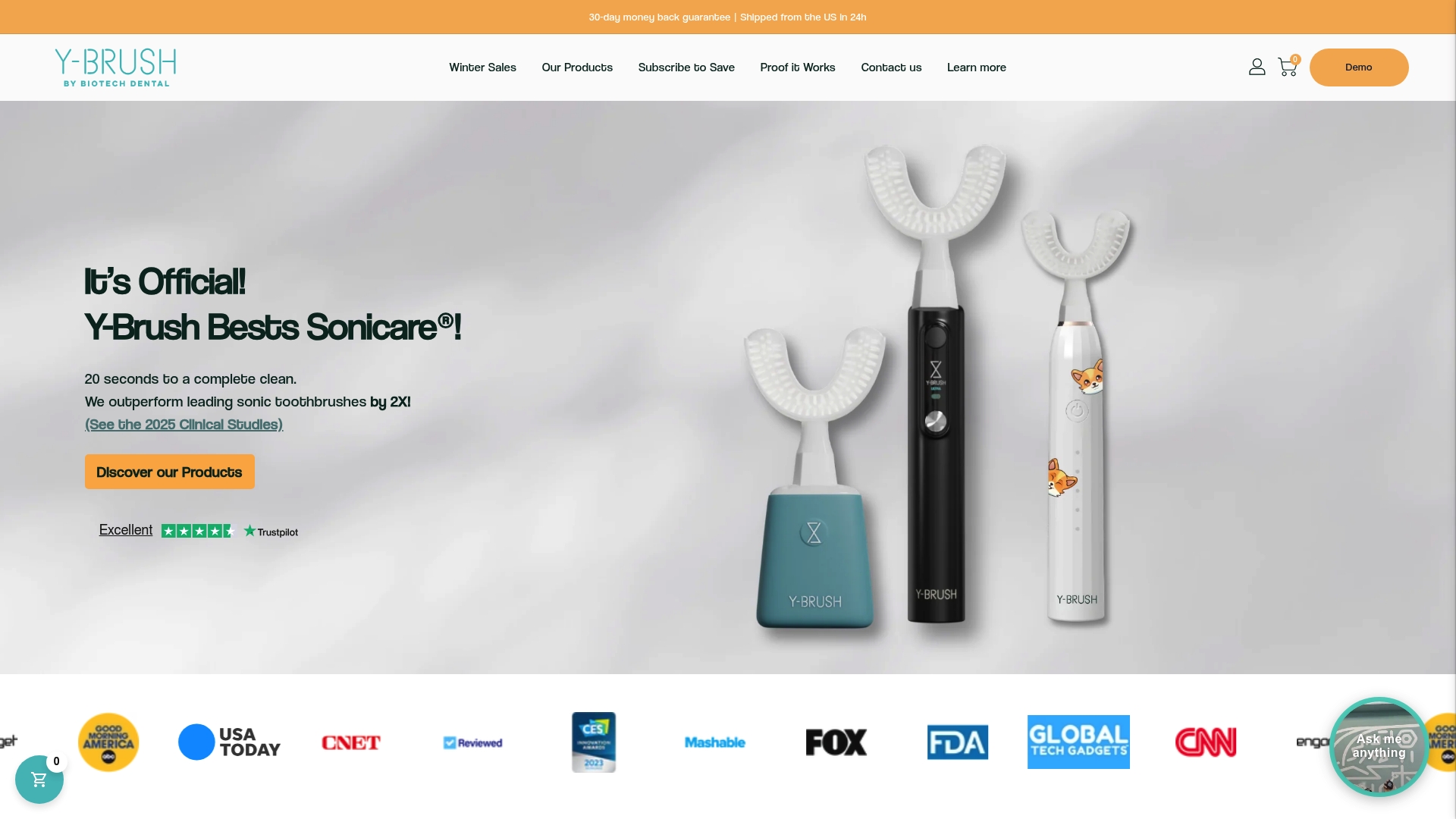
That speed matters most in the moments you’re most likely to skip proper technique, like a groggy next-morning brush after an evening varnish appointment. A fast, effective tool removes the excuse to cut corners right when your enamel needs a thorough, careful clean. Some brands back their toothbrushes with warranties and offer plans built around ongoing brush head refills to help maintain effective brushing.
Browse the Y-Brush toothbrush lineup and plans, including the Core Plan at $29.90 per quarter, the Pro Plan at $49.90 per quarter, and the Pro+2 Plan at $69.90 per quarter, to find the setup that fits your household’s routine.
Sources
- New York State Department of Health — Fluoride varnish FAQ
- Casey Dental — Fluoride treatment aftercare timeline
- MI Varnish IFU — GC America
- American Dental Association — Home oral care
FAQ
What happens if you don’t wait 30 minutes after fluoride?
Eating or drinking too soon after a fluoride treatment mainly washes away product before it fully absorbs into the enamel, lowering how much benefit you get. It won’t hurt your teeth, but it does mean less protection from that particular application.
What should you avoid after a fluoride treatment?
Avoid brushing, flossing, and mouthwash for 4 to 6 hours, and skip hot drinks, alcohol, and sticky or crunchy foods during that same window. For varnish specifically, many dentists recommend waiting until the next morning to brush, per Casey Dental’s aftercare timeline.
Can fluoride varnish stay on your teeth overnight?
Yes, and leaving varnish on overnight is often exactly what dentists recommend for maximum fluoride uptake. Any dull or discolored appearance it leaves behind is temporary and typically clears after your first thorough brushing the next morning, according to the New York State Department of Health.
How long should you avoid eating after a fluoride treatment?
Most guidance calls for 30 minutes before eating or drinking anything after a topical fluoride application. After that initial half hour, stick to soft, cool, non-acidic foods for the next several hours while the brushing restriction is still in effect.
Is Y-Brush safe to use right after the waiting period ends?
Yes. Once your recommended wait time has passed, whether that’s 4 hours or the next morning for varnish, a Y-Brush toothbrush works like any other electric brush and helps you complete a full, even clean using its Y-shaped brush head.


