


Electric toothbrushes reduce plaque more effectively than manual brushing, and less plaque means fewer acid attacks on enamel. That is the mechanism behind cavity prevention, confirmed by Cochrane’s systematic review of powered brushing trials. But a powered brush alone will not stop decay. The real answer combines a timed electric brush, fluoride toothpaste, and daily interdental cleaning.
TL;DR:
- Electric toothbrushes reduce plaque by about 11% within three months and up to 21% with sustained use, slightly outperforming manual brushes.
- Features like timers, pressure sensors, and ergonomic handles have a greater impact on brushing effectiveness than the vibration mechanism itself.
- Proper use involves applying fluoride toothpaste, brushing for two full minutes twice daily, and incorporating interdental cleaning for optimal cavity prevention.
- Long-term benefits include slower periodontal disease progression and more retained teeth, but brushing alone cannot reverse existing cavities or replace dental care.
- Fast, compliance-focused devices like Y-brush may help overcome the biggest barrier: brushing time and consistency.
Table of Contents
- What the Evidence Says About Plaque, Gingivitis, and Cavities
- Electric Vs. Manual: What Actually Matters for Cavity Prevention
- How to Use an Electric Toothbrush Effectively to Lower Cavity Risk
- What Electric Toothbrushes Cannot Do for Your Teeth
- Why Brushing Compliance Is the Real Barrier, Not Brush Technology
- What This Means for Your Daily Routine
- A Compliance-First Option Worth Considering
- Sources
- FAQ
What the Evidence Says About Plaque, Gingivitis, and Cavities
Plaque is the actual villain here. Bacteria in that sticky film feed on sugars and starches, producing acid that eats through enamel. According to Mayo Clinic, remove more plaque consistently, and you interrupt that acid cycle before it creates a cavity.
The Cochrane review puts numbers behind this. Powered brushes reduced plaque by about 11% at one to three months compared with manual brushing, and that gap widened to roughly 21% after three months of continued use. Gingivitis scores dropped by similar margins. Researchers rated this evidence as moderate certainty, which in plain terms means the finding is likely reliable but not airtight across every study design and population tested.
Statistic Callout: Powered toothbrushes cut plaque by 11% within the first three months of use and by 21% with sustained use beyond that point, per Cochrane’s pooled trial data.
A separate systematic review and meta-analysis published in PMC confirms the same pattern: powered brushes produce a small but statistically significant advantage over manual brushing on plaque and gingivitis indices. Longer-term cohort data add another layer. An 11-year longitudinal study found that powered brush users showed slower periodontal disease progression and retained more teeth than manual brushers over the same stretch of time.
That said, the evidence has real limits worth knowing before you treat a brush purchase as a cure:
- Trials vary widely in duration, brush type, and how researchers measured plaque, which makes pooling results imperfect.
- Most randomized trials run for weeks or months, not years, so direct long-term cavity data is thinner than the plaque data.
- Participant compliance in trials often exceeds real-world habits, meaning results in a lab setting may overstate what happens in your bathroom.
- Cohort studies show correlation between powered brushing and better outcomes, not airtight proof of causation.
Electric Vs. Manual: What Actually Matters for Cavity Prevention
Powered brushes edge out manual ones on two measures that matter for decay: plaque removal and gingivitis reduction. The PMC meta-analysis notes that oscillating-rotating brushes sometimes show a small edge over sonic models in network meta-analyses, though the gap between electric technologies is modest compared with the gap between electric and manual brushing overall.
What separates a good outcome from a mediocre one usually is not the brush technology. It is the features that keep you brushing properly:
- Built-in timers stop you from finishing in 45 seconds, which is the average for most manual brushers.
- Pressure sensors prevent the aggressive scrubbing that wears enamel without adding cleaning benefit.
- Ergonomic handles help people with arthritis, limited grip strength, or motor-control challenges brush more thoroughly.
Consumer Reports points out that these compliance features, not the vibration mechanism itself, drive much of the observed benefit. A manual vs. sonic comparison breaks down how these technologies stack up in more detail.
Pro Tip: If you already brush for two full minutes twice a day with correct technique, a manual brush can still get the job done. Electric brushes matter most for people who cut corners on time or technique.
Children, orthodontic patients with brackets to navigate around, and anyone with reduced dexterity tend to benefit most from switching to electric.
How to Use an Electric Toothbrush Effectively to Lower Cavity Risk
Owning an electric toothbrush and using it well are two different things. Here is the routine that translates the research into results:
- Apply fluoride toothpaste to the brush head before turning it on. Fluoride is the ingredient doing the heavy lifting against early decay, not the vibration alone.
- Brush for two full minutes, twice daily. Most electric models include a built-in two-minute timer, often with 30-second pulses that signal when to move to a new quadrant of your mouth.
- Divide your mouth into four zones (upper left, upper right, lower left, lower right) and spend roughly 30 seconds on each.
- Let the brush do the work. Guide the head slowly along the gumline and tooth surfaces rather than scrubbing back and forth like you would with a manual brush.
- Watch the pressure sensor if your model has one. A flashing light or audible signal usually means you are pressing too hard.
- Replace the brush head every three months, or sooner if bristles look splayed or worn, since frayed bristles clean less effectively.
- Floss or use interdental brushes daily. No brush head, electric or manual, reaches between teeth the way floss does.
Parents and caregivers of young children should supervise brushing until around age seven or eight, check that the head size fits a small mouth, and look for kid-specific timers that make the two-minute routine feel less like a chore. Guidance from Y-brush’s piece on automatic vs. manual brushing covers routine-building in more depth.
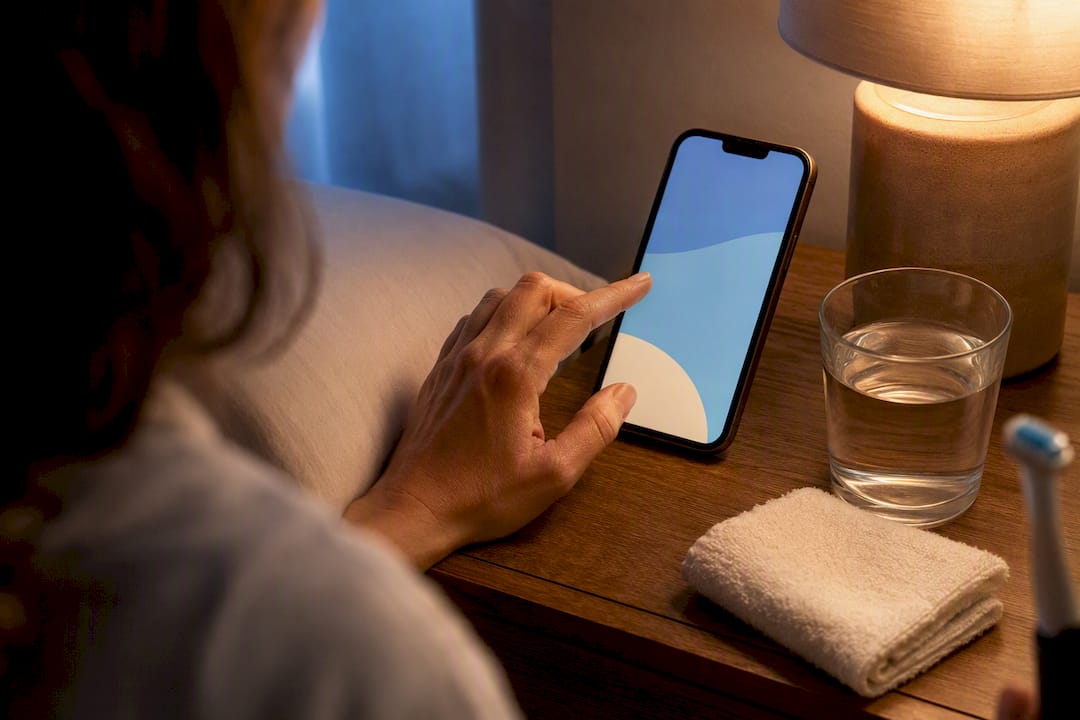
Pro Tip: *Set a phone reminder for your second daily brushing session.
What Electric Toothbrushes Cannot Do for Your Teeth
A brush, electric or otherwise, cannot repair a hole that has already formed. The CDC is explicit that a cavitated lesion needs professional dental treatment. Only the earliest stage of decay, before a cavity forms, can sometimes be reversed through fluoride-based remineralization.
Brushing also cannot substitute for the other pillars of prevention:
- Interdental cleaning removes plaque from between teeth that no brush head reaches, electric or manual.
- Diet matters independently of brushing quality. Frequent sugar exposure feeds the acid-producing bacteria regardless of how well you brush afterward.
- Regular dental checkups catch problems brushing cannot fix or detect.
On the safety question readers ask most often: electric brushes do not dislodge properly placed, healthy fillings. Consumer Reports notes that if a restoration fails, decay at the margin of the filling is typically the cause, not brush vibration. Anyone noticing sensitivity or movement around a filling should still see a dentist rather than assume the brush is at fault.
Statistic Callout: Despite an 11% to 21% plaque reduction from powered brushing, cavity risk still hinges on fluoride exposure, diet, and interdental cleaning working together, not brushing alone.
Why Brushing Compliance Is the Real Barrier, Not Brush Technology
Most adults believe they brush for two minutes. Most do not. The gap between intended brushing time and actual brushing time is the barrier that timers and pressure sensors exist to close, and it is why compliance-focused design matters more than raw vibration power.
A design built around a shorter, more consistent daily habit addresses this directly:
- Brushing sessions under a minute are common, yet the two-minute standard is what dental guidance actually recommends.
- Features that reduce the time and effort trade-off encourage full-mouth coverage rather than a rushed pass over front teeth only.
- Consistency across both daily sessions matters more than brush model when researchers compare long-term outcomes.
This is an editorial read on the evidence, not a controlled product test.
What This Means for Your Daily Routine
The research is clear enough for a simple recommendation: electric brushes help, but they are one piece of a routine that also needs fluoride and interdental cleaning. Start tonight with a full two minutes and add floss before bed.
— Joris
A Compliance-First Option Worth Considering
Y-brush was built around a specific problem: most people know they should brush for two minutes, yet the average session runs under a minute. That gap, not brush technology, is where cavities usually start. A toothbrush with a Y-shaped head can surround all your teeth at once, delivering a full clean through sonic vibrations in a shorter time rather than asking you to sustain a two-minute routine with careful hand positioning.
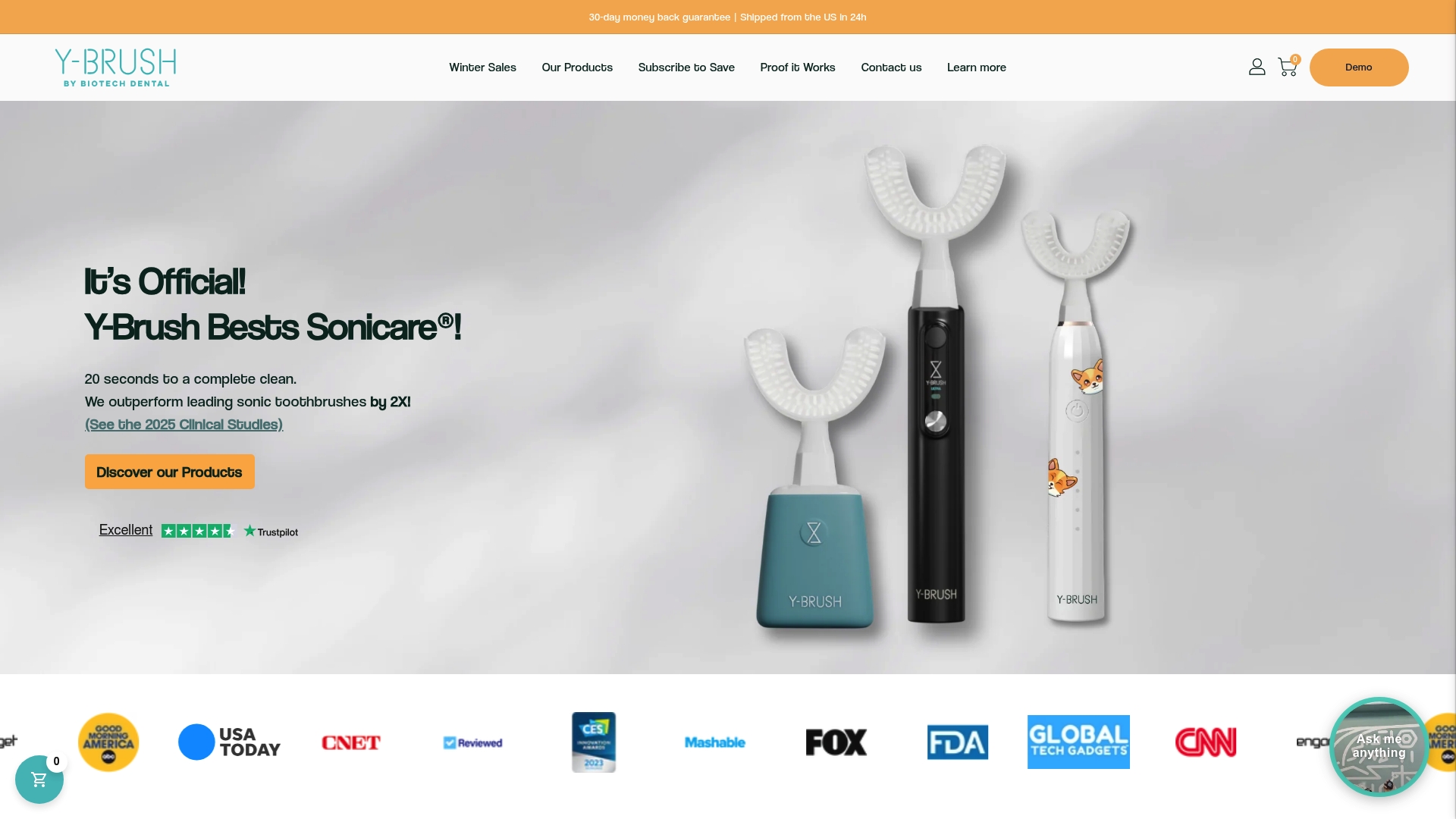
That speed matters because it removes the biggest excuse for skipping or rushing brushing sessions. The Y-brush Essential Sonic Toothbrush works for adults who want thorough coverage without perfect technique, while the KidsBrush Sonic model applies the same logic to children ages 4 to 12, a group where supervised, complete brushing is often hardest to enforce. A membership plan keeps replacement heads arriving on schedule, so a worn head never becomes the reason a good routine slips. If short brushing sessions have been your habit, check out the Essential Sonic toothbrush and see whether a faster, fuller clean fits your routine better than the one you have now.
This article is general information, not a substitute for advice from a qualified doctor. Consult a qualified healthcare professional about your own circumstances before acting on anything here.
Sources
- Powered/electric toothbrushes compared to manual toothbrushes for maintaining oral health (Cochrane)
- Cavities (tooth decay) - Mayo Clinic
- The efficacy of powered toothbrushes: A systematic review and meta-analysis (PMC)
- Cavities (tooth decay) - CDC
FAQ
What Is the Number One Cause of Cavities?
Plaque bacteria feeding on sugars and starches produce acid that dissolves enamel, and that acid attack is the primary driver of cavities, according to Mayo Clinic.
Why Did I Suddenly Get Several Cavities at Once?
A sudden cluster of cavities usually points to a change in diet, reduced saliva flow, a dip in brushing consistency, or gaps in fluoride exposure rather than one single cause, and it is worth discussing timing with your dentist to identify what shifted.
Can Electric Toothbrushes Dislodge Fillings?
No. Properly placed, healthy fillings are not dislodged by electric brush vibration; restoration failure is typically caused by decay forming at the filling’s margin, not by the toothbrush itself, per Consumer Reports.
Can a Cavity Heal on Its Own Without Treatment?
A cavitated lesion, meaning an actual hole, does not heal on its own and requires dental treatment, though early-stage enamel demineralization before a hole forms can sometimes be remineralized with fluoride, according to the CDC.
Do Electric Toothbrushes Prevent Cavities on Their Own?
Not by themselves. Electric brushes reduce plaque more than manual brushing, which lowers cavity risk, but that benefit only holds when paired with fluoride toothpaste, daily interdental cleaning, and regular dental visits.


