


Sensitivity in teeth, known clinically as dentin hypersensitivity, is a short, sharp pain that fires when exposed dentin gets hit by heat, cold, sugar, or pressure. It happens when the protective enamel or gum tissue covering your tooth root wears down or recedes, leaving nerve pathways exposed. If you’re dealing with it right now, here’s what helps immediately:
- Stop brushing hard or scrubbing side to side. Switch to gentle strokes.
- Try a desensitizing toothpaste like Sensodyne consistently for some time.
- Skip very hot or very cold foods until the ache settles.
- Rinse with plain water instead of harsh mouthwash after acidic meals.
If pain is severe or won’t quit, book a dental exam. Groups like the American Dental Association and Mayo Clinic both treat this as a common, manageable condition, not an emergency by default.
Key Takeaways
Tooth sensitivity happens when exposed dentin lets triggers reach the nerve, and gentle brushing with a desensitizing toothpaste resolves most mild cases within one to two weeks.
| Point | Details |
|---|---|
| Know the definition | Sensitivity is short, sharp pain from exposed dentin, not a diagnosis on its own. |
| Watch the pattern | Pain that’s stimulus-triggered and brief is typical; lingering or spontaneous pain needs an exam. |
| Identify your cause | Enamel wear, gum recession, cavities, cracks, or grinding all expose dentin differently. |
| Treat in stages | Start with desensitizing toothpaste and gentle brushing before assuming you need a procedure. |
| Know the red flags | Swelling, fever, trauma, or lingering pain mean it’s time to see a dentist promptly. |
| Protect your enamel daily | A gentle, effective brush like Y-brush’s sonic toothbrush helps prevent the overbrushing that wears enamel down. |
Where to Learn More About Tooth Sensitivity
- American Dental Association: clinical overview of causes and prevention.
- Mayo Clinic: breakdown of available treatments.
- Cleveland Clinic: symptom checklist and professional treatment options.
This article is general information, not a substitute for advice from a qualified doctor. Consult a qualified healthcare professional about your own circumstances before acting on anything here.
Table of Contents
- What Is Tooth Sensitivity, Physiologically Speaking?
- Signs of Sensitive Teeth: What to Watch For
- What Causes Tooth Pain and Sensitivity?
- How Dentists Diagnose Sensitive Teeth
- How to Relieve Tooth Sensitivity: Home Care and Professional Treatment
- Tips for Sensitive Teeth: Preventing It Before It Starts
- When to See a Dentist for Tooth Sensitivity
- Better Brushing Habits Start With the Right Brush
- Sources
What Is Tooth Sensitivity, Physiologically Speaking?
Your tooth has three layers working together: enamel on the outside, dentin underneath, and cementum covering the root. Enamel and cementum act as armor. Dentin, by contrast, is riddled with microscopic channels called dentinal tubules that run straight to the nerve-filled pulp at the tooth’s core.
When that armor wears away or gum recession exposes the root, those tubules are suddenly open to the world. Fluid inside them shifts when triggered by temperature or pressure, and that movement sets off the nerve. This is the hydrodynamic theory of dentin hypersensitivity, and it’s the most widely accepted explanation for why cold air or a sip of coffee can suddenly feel like an electric jolt.
Quick anatomy recap:
- Enamel: the hard, outer shield covering the crown.
- Cementum: a thinner protective layer covering the root.
- Dentin: the porous layer beneath both, full of tubules connected to nerves.
Signs of Sensitive Teeth: What to Watch For
True dentin hypersensitivity has a signature: sharp, sudden pain that shows up with a specific trigger and fades within seconds. If pain lingers for minutes or starts on its own with nothing touching the tooth, that’s usually a different problem entirely, like an infection or a cracked tooth.
Common triggers you’ll recognize:
- Cold foods and drinks, think ice cream or iced tea.
- Hot coffee or soup.
- Sweet or sugary foods.
- Acidic foods like citrus or vinegar-based dressings.
- Cold air hitting your teeth outdoors.
- Brushing or flossing near the gumline.
Severity varies a lot from person to person. Some people feel a mild twinge with ice water; others wince at a normal breath of winter air.
What Causes Tooth Pain and Sensitivity?
Sensitivity almost always traces back to exposed dentin, but the reasons dentin gets exposed vary widely. According to UT Health San Antonio, common triggers include worn enamel, gum recession, cavities, fractured or chipped teeth, worn-out fillings, and recent teeth-whitening treatments.
Here’s how each one plays out:
- Enamel wear: years of acid exposure or abrasive brushing thin the enamel layer.
- Gum recession: exposes the root surface, which has no enamel protection at all.
- Cavities: decay eats through enamel and dentin, opening a direct path to the nerve.
- Cracked or chipped teeth: create gaps that let stimuli reach the pulp.
- Worn or failing fillings: leave microscopic leaks where sensitivity sneaks in.
- Whitening treatments: temporarily increase tubule permeability, which is why sensitivity often spikes right after a bleaching session.
Behavior matters too. Overbrushing with a hard-bristled brush, using gritty whitening toothpaste, and bruxism (clenching or grinding, often at night) all wear down enamel faster than normal chewing ever would. Aggressive brushing habits are one of the most preventable causes on this list, and one of the most common.
How Dentists Diagnose Sensitive Teeth
A dentist usually starts with a conversation: when does the pain hit, how long does it last, and did you recently whiten your teeth or start grinding at night? That history narrows things down fast.
From there, expect a targeted exam. Dentists often apply a cold stimulus, a puff of air, or gentle tapping to pinpoint the exact tooth and rule out other issues. X-rays come into play when a cavity, cracked tooth, or failing filling is suspected. The goal is separating simple dentin hypersensitivity from a cavity, pulpitis (inflamed nerve tissue), or a hairline fracture, since those need different treatment entirely.
Before your visit, jot down when the pain started, what triggers it, and whether you’ve had any recent dental work. That detail speeds up an accurate diagnosis.
How to Relieve Tooth Sensitivity: Home Care and Professional Treatment
Relief usually comes in stages, starting at home and escalating if the problem persists.
At home, a desensitizing toothpaste is the first line of defense. Brands like Sensodyne use compounds such as potassium nitrate or stannous fluoride to calm the nerve and plug exposed tubules over repeated use. Pair that with a soft-bristled brush and gentle circular strokes rather than side-to-side scrubbing. A fluoride rinse adds another layer of protection by strengthening enamel.
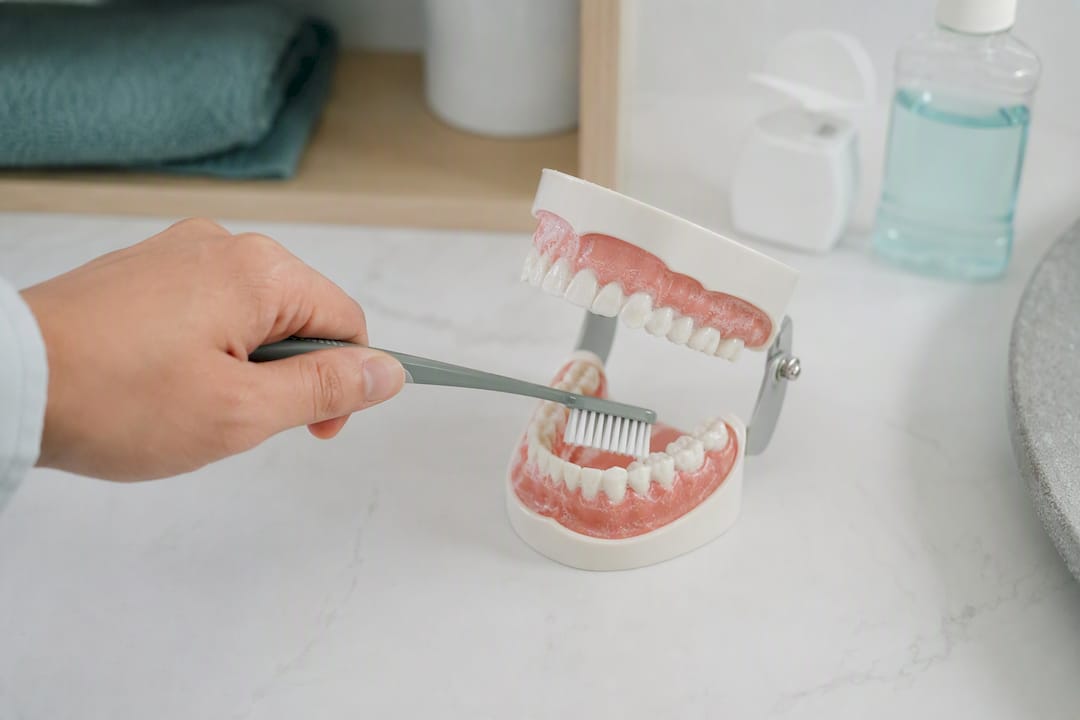
Short-term tactics help too: avoid extreme temperatures for a few days, sip acidic drinks through a straw, and rinse with water (not brushing right away) after anything acidic.
When home care isn’t enough, a dentist has several tools. According to the Cleveland Clinic, professional treatment options range from in-office fluoride varnish and dental bonding to sealants, gum grafts, and, in severe cases, root canal therapy. Mayo Clinic adds occlusal guards to that list for patients whose sensitivity stems from grinding.
It helps to know which treatment targets what. Desensitizing toothpaste manages symptoms. A gum graft or night guard addresses the underlying cause. Root canal therapy is reserved for cases where the nerve itself is compromised.
Pro Tip: Keep a Sensodyne tube at your sink for two weeks straight before assuming you need a dental procedure. Consistent use, not occasional use, is what lets the desensitizing compounds build a protective effect.
Tips for Sensitive Teeth: Preventing It Before It Starts
Prevention is mostly about technique and moderation. Brush twice daily with a soft-bristled brush and fluoride toothpaste, using gentle circular motions instead of aggressive back-and-forth strokes.
On the diet side, limit acidic drinks like soda and citrus juice, use a straw when you do have them, and wait about 30 minutes before brushing after anything acidic (brushing too soon can grind softened enamel away). If you grind or clench at night, a custom night guard protects enamel while you sleep. And go easy on whitening: talk to a dentist before starting at-home bleaching, especially if you already notice sensitivity.
Pro Tip: If your toothbrush bristles are visibly splayed after a month, you’re brushing too hard, not too infrequently.
When to See a Dentist for Tooth Sensitivity
Most sensitivity responds to home care within a week or two. If it doesn’t, or if you notice any of these signs, don’t wait it out:
- Pain that lingers for minutes after the trigger is gone.
- Spontaneous pain with no clear trigger at all.
- Swelling, fever, or a bad taste near the tooth.
- Sensitivity that started after a fall, bite, or dental trauma.
- A visible crack or chip in the tooth.
- Deep, throbbing toothache that keeps you up at night.
These symptoms often point to infection, pulpitis, or a fracture rather than routine dentin exposure, and they need a professional exam, not another tube of toothpaste.
Why Getting the Right Diagnosis Matters More Than the Right Toothpaste
Sensitivity is a symptom, not a diagnosis. Treating every case with desensitizing toothpaste alone risks missing a cracked tooth or bruxism that needs a night guard instead. Left unaddressed, chronic dentin hypersensitivity can progress to persistent discomfort that’s harder to manage. Track when your pain happens and what sets it off. That detail is often what helps a dentist tell hypersensitivity apart from something that needs restorative work.
A Few Words Before You Go
If you remember one thing: sensitivity means exposed dentin, and gentle brushing plus a desensitizing toothpaste solves most mild cases within days. If it doesn’t ease up, get it checked. This piece was put together by Joris on behalf of Y-brush, with an eye toward practical, evidence-based care over guesswork.
Better Brushing Habits Start With the Right Brush
Aggressive brushing is one of the most common, and most fixable, contributors to worn enamel and gum recession. Y-brush was built around that exact problem: its patented Y-shaped head surrounds every tooth at once with gentle sonic vibrations, cleaning thoroughly in 20 seconds without the scrubbing motion that damages enamel over time.
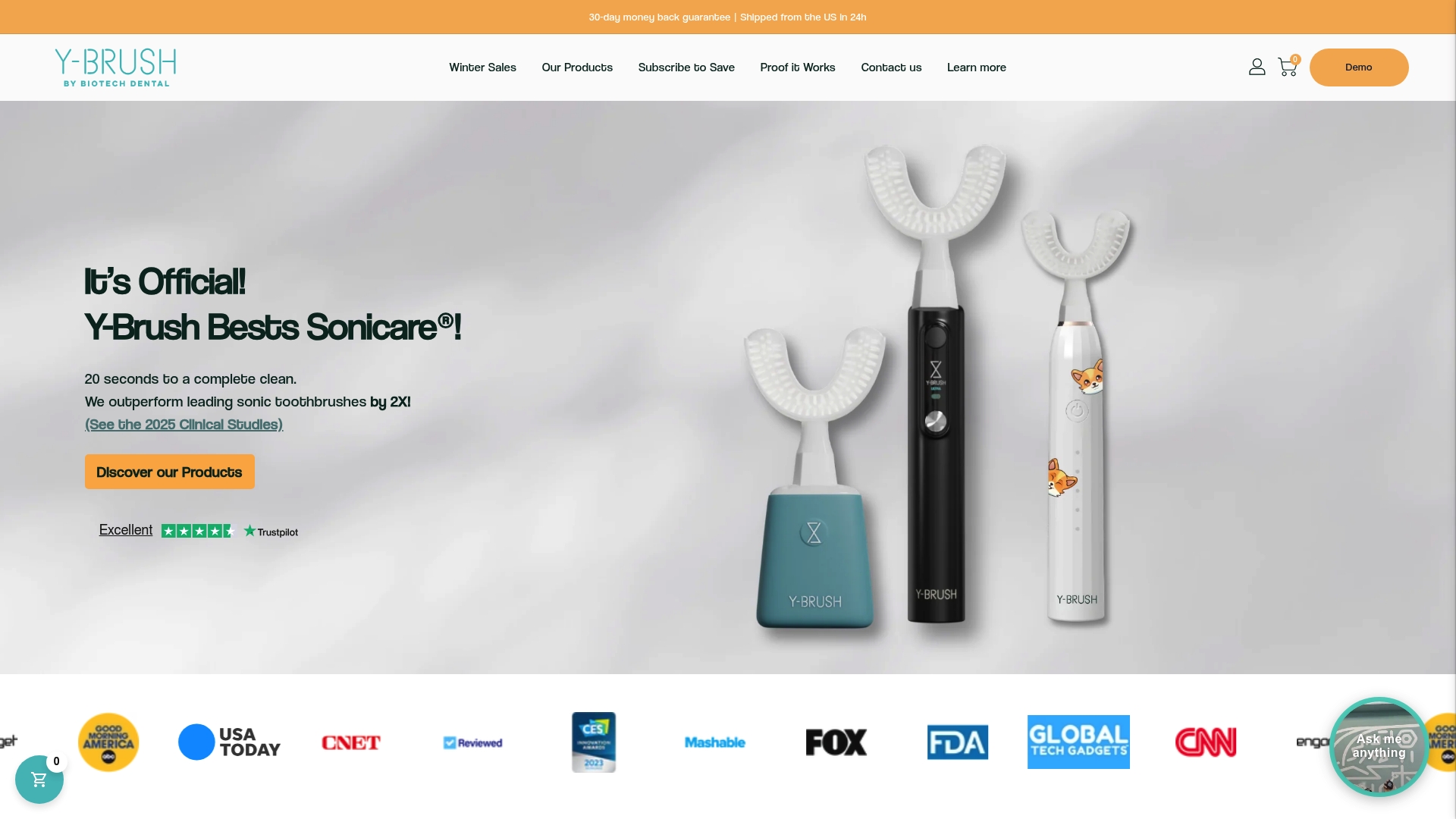
Consistent, gentle brushing technique protects the enamel and gumline you already have, which matters more for sensitivity prevention than any single toothpaste. If your current brush is showing frayed bristles or you’re not sure your technique is gentle enough, the Y-brush Essential Sonic Toothbrush removes the guesswork from technique entirely. Families managing sensitivity across different mouth sizes can also look at the DuoBrush, and a membership plan keeps replacement heads coming so you’re never brushing with worn, less effective bristles. Check the product page to find the right fit for your routine.
Sources
- Sensitive Teeth: Causes, Treatment & Prevention - Cleveland Clinic
- Sensitive teeth: What treatments are available? - Mayo Clinic
- Sensitive Teeth - MouthHealthy (American Dental Association)
- Dentin hypersensitivity: pathogenesis and management — PMC (Open-access review)
- What are causes, symptoms and treatments of tooth sensitivity — UT Health San Antonio


