


Yes, electric toothbrushes are considered safe throughout pregnancy when used correctly, and they can help manage the higher risk of gum inflammation that comes with hormonal changes. The American Dental Association and the CDC both support continued dental care during pregnancy. Keep brushing twice daily with a soft head and fluoride toothpaste, and if morning sickness strikes, rinse your mouth and wait before brushing again.
TL;DR:
- Using an electric toothbrush is safe during pregnancy and can help manage increased gum inflammation caused by hormonal changes.
- Regular brushing twice daily with a soft head and fluoride toothpaste is essential, especially after vomiting from morning sickness, with a wait of about an hour before brushing.
- Consistent oral hygiene habits, such as brushing twice daily and cleaning between teeth, are linked to better pregnancy outcomes, regardless of brush type.
- Routine dental procedures and X-rays are safe during pregnancy when proper precautions are taken, and delaying treatment can lead to larger issues.
- The specific brush technology matters less than maintaining a regular, gentle two-minute routine and replacing worn brush heads every three months.
Table of Contents
- What major health bodies and research say about powered brushes in pregnancy
- Pregnancy-specific oral health risks and common myths
- Step-by-step guidance for brushing with an electric toothbrush while pregnant
- Dentist visits and procedures: what’s safe and when to seek care
- A note on author background and how Y-Brush fits a pregnancy-safe routine
- What the evidence actually tells pregnant readers to prioritize
- How to get a pregnancy-friendly electric toothbrush
- FAQ
- Sources
What major health bodies and research say about powered brushes in pregnancy
The professional consensus on dental care during pregnancy is more settled than many expectant parents realize. Public-health guidance from the CDC states plainly that dental care is safe and important during pregnancy and should not be avoided. The ADA echoes this, recommending that pregnant patients brush twice daily for two minutes with a soft-bristled toothbrush and fluoride toothpaste, and clean between teeth once a day.
This guidance matters because pregnancy changes the mouth’s chemistry and blood flow in ways that raise the stakes for everyday brushing habits.
- Hormonal shifts increase blood flow to gum tissue, which can make gums more reactive to plaque than before pregnancy.
- Research reviewing electric and manual toothbrush use in pregnant populations notes that electric toothbrushes are considered safe and are often recommended across all trimesters specifically to help manage this heightened gingival risk.
- Clinical comparisons of manual versus electric toothbrushes in pregnant groups remain limited, so the settled point is safety, not one format beating the other.
Pregnancy gingivitis affects a striking share of expectant parents. Research on toothbrush use during pregnancy reports an overall prevalence ranging from 35 to 100 percent, reflecting how commonly inflamed, bleeding gums show up once hormonal changes take hold. That wide range underscores why consistent, gentle brushing deserves more attention during pregnancy, not less.
Pregnancy-specific oral health risks and common myths
Rising progesterone and estrogen levels increase blood flow to gum tissue, which often shows up as redness, swelling, and bleeding when you brush or floss, a condition commonly called pregnancy gingivitis. For some, frequent vomiting from morning sickness adds a second threat: stomach acid repeatedly washing over tooth enamel, which can soften and gradually erode it. The recommended response is to rinse with a solution of one teaspoon of baking soda in one cup of water, spit, and wait about an hour before brushing so you aren’t scrubbing acid-softened enamel.
Several myths tend to circulate alongside these real risks, and they’re worth correcting directly.
- “Bleeding gums are harmless” is false; untreated inflammation can worsen and is worth mentioning to a dental professional.
- “Don’t go to the dentist while pregnant” contradicts guidance from the ADA and ACOG, both of which affirm that routine and necessary dental treatment is safe at any stage of pregnancy.
- “Electric brushes are unsafe during pregnancy” has no backing in the dental literature reviewed here; the open question is comparative performance, not safety.
If bleeding persists beyond a few days of consistent gentle brushing, or if you notice swelling, pain, or loose teeth, that’s a signal to contact a dental professional rather than wait it out.
Pro Tip: Keep a small travel bottle of water mixed with baking soda in your bag so you can rinse right after a bout of morning sickness, wherever you are.

Step-by-step guidance for brushing with an electric toothbrush while pregnant
A simple, repeatable routine does more for your gums during pregnancy than any single product choice. The ADA recommends brushing twice daily for two minutes with a soft-bristled brush and fluoride toothpaste, and that advice applies whether your brush is manual or powered. If your model has a pressure sensor, let it guide you: a light, steady touch covers more ground safely than pressing hard, which can aggravate already-sensitive gums.
Morning sickness calls for a specific sequence rather than your usual habit of brushing right after.
- Rinse your mouth with one teaspoon of baking soda dissolved in one cup of water after vomiting.
- Wait about an hour before brushing to let acid-softened enamel re-harden.
- Brush gently with a soft head, using light pressure and short, controlled passes.
- Floss or use a calibrated interdental brush once daily to clear plaque between teeth.
Research on interdental cleaning during pregnancy found that daily interdental brushing was safe, acceptable, and feasible for pregnant participants in a randomized controlled trial, even though it didn’t significantly lower composite obstetrical complications on its own. The same study found that brushing twice a day or more was independently linked to a reduced risk of adverse obstetrical outcomes in exploratory analysis, a useful reminder that consistency matters more than any single technique.
If nausea limits how much time or energy you have for a full routine, prioritize the basics: a soft head, fluoride toothpaste, and at least one thorough pass each morning and night, with interdental cleaning whenever you can manage it. Replace brush heads every three months, or sooner if bristles fray, since worn bristles clean less effectively and can irritate already-tender gums.
Pro Tip: If your gums are bleeding, switch to a gentler mode or shorter brushing passes rather than skipping brushing altogether. Reduced plaque removal tends to make inflammation worse, not better.
Dentist visits and procedures: what’s safe and when to seek care
Routine preventive care, diagnostic exams, and necessary restorative or emergency treatment are all considered safe during pregnancy, and ADA and ACOG guidance align on this point. Delaying treatment out of caution can actually let small problems grow into bigger ones. Dental X-rays can be taken with proper abdominal and thyroid shielding, and local anesthetics commonly used in dental offices are considered acceptable for pregnant patients.
Before your appointment, a short conversation with your dentist helps them tailor the visit to your needs.
- Let your dentist know your trimester and any morning sickness patterns.
- List current medications and prenatal vitamins.
- Ask about shorter appointment times or reclining adjustments if lying flat feels uncomfortable.
- Mention any new bleeding, swelling, or sensitivity since becoming pregnant.
Most offices are used to these accommodations and can adjust the visit without compromising the care you need.
A note on author background and how Y-Brush fits a pregnancy-safe routine
This article was written by Joris, drawing on published dental and public-health guidance to explain what’s safe and what’s practical for pregnant readers managing a daily oral care routine. The goal here isn’t to replace your dentist or OB-GYN, but to translate established guidance into steps you can act on today.
A few features matter most when choosing an electric toothbrush during pregnancy:
- A soft brush head reduces irritation to gums already prone to inflammation.
- A short, timed cleaning cycle helps on days when nausea or fatigue cuts into available time.
- Fresh, unworn bristles clean more effectively, which matters when gingivitis risk is elevated.
Our Y-Brush toothbrush uses a Y-shaped head designed for a complete clean in 20 seconds, which can help on mornings when a full two-minute routine feels hard to manage. That said, any safety or treatment concerns specific to your pregnancy are best discussed directly with your dentist or OB-GYN.
What the evidence actually tells pregnant readers to prioritize

The research on this topic points to a conclusion that’s less exciting than marketing copy often suggests: the toothbrush format matters far less than showing up for it twice a day. Clinical comparisons between electric and manual brushes in pregnant populations remain thin, and the studies that exist focus on safety rather than crowning a winner. That’s a meaningful finding in itself, because it means the anxiety some pregnant readers feel about switching brush types or sticking with an electric model is largely unfounded.
What’s underrated is consistency during the exact weeks when it’s hardest to maintain, when nausea, fatigue, and taste changes make brushing feel like a chore. The exploratory finding that brushing twice daily or more correlated with better obstetrical outcomes in one trial deserves more attention than it gets, precisely because it’s achievable advice rather than an abstract warning. If you take one thing from this article, let it be this: skip the debate over bristle technology, and protect the two-minute habit instead.
— Joris
How to get a pregnancy-friendly electric toothbrush
If you’re ready to simplify your routine, our toothbrush and replacement heads are available through the Y-Brush toothbrush collection, with three plans to choose from: Core Plan, Pro Plan, and Pro+2 Plan, each billed quarterly.
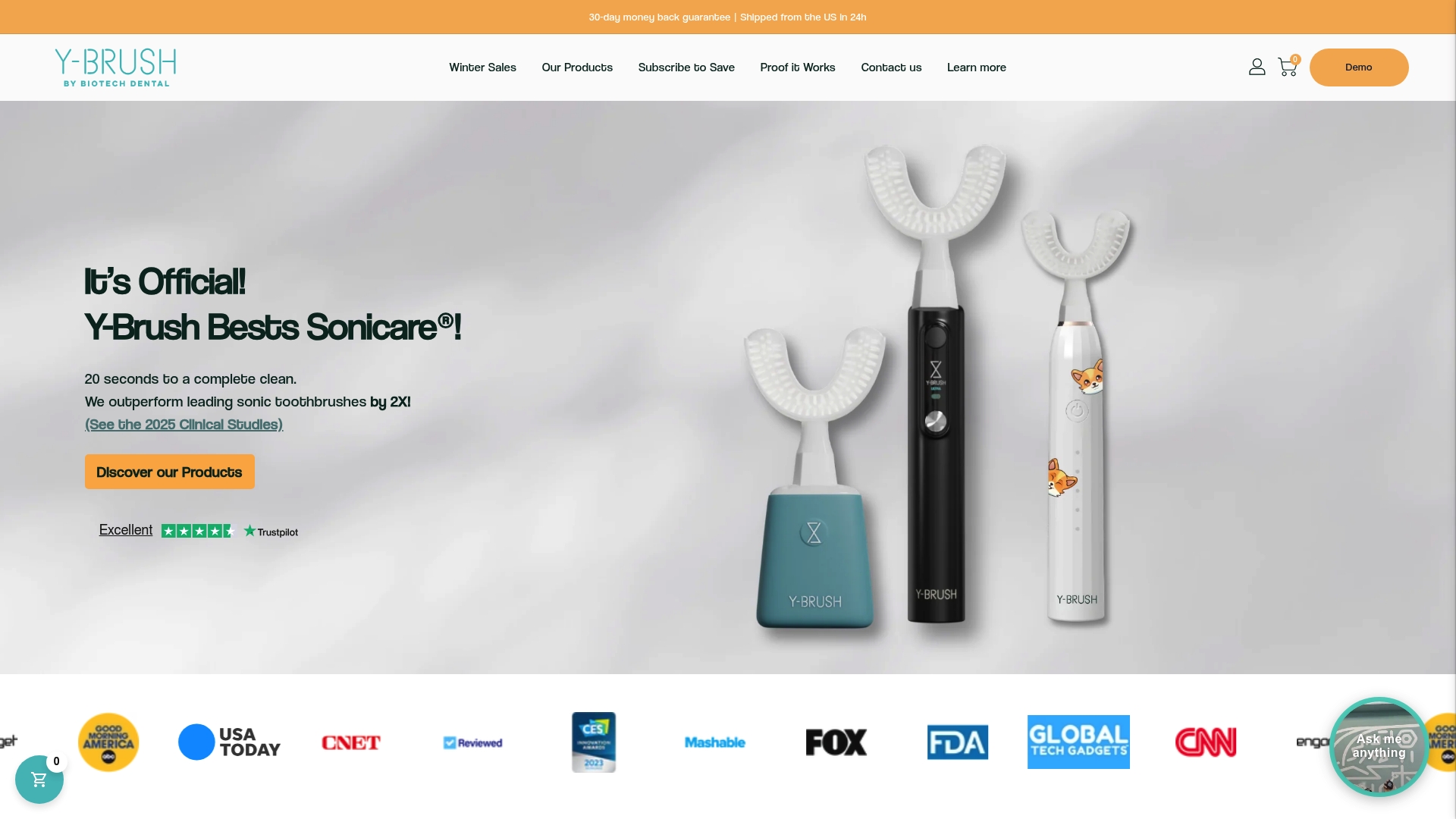
A soft head, short timed cycle, and subscription-based refills are the features most relevant to a pregnancy-safe routine, since they reduce both irritation risk and the chance of brushing with worn bristles. You can also browse replacement brush heads separately if you already own a handle.
Current prices and plan details are available on our pricing page.
As always, it’s worth confirming any new product choice with your dentist or OB-GYN, especially if you have existing gum sensitivity or other pregnancy-specific concerns.
FAQ
Is it safe to use an electric toothbrush in the first trimester?
Yes, electric toothbrushes are considered safe throughout all trimesters, including the first. The ADA recommends brushing twice daily for two minutes with a soft-bristled brush and fluoride toothpaste regardless of trimester.
What dental procedures cannot be done while pregnant?
Routine, preventive, and necessary restorative or emergency treatments are generally safe at any stage of pregnancy, according to guidance aligning ADA and ACOG positions. Elective procedures that aren’t urgent are sometimes postponed until after delivery, but this is a conversation to have directly with your dentist based on your specific situation.
How soon after vomiting should I brush my teeth?
Wait about an hour before brushing. Rinsing first with a solution of one teaspoon of baking soda in one cup of water helps neutralize stomach acid and protects enamel that’s temporarily softened.
Why are pregnant people more prone to gum problems?
Hormonal changes increase blood flow to gum tissue, making it more reactive to plaque and more likely to bleed or swell. Research on toothbrush use in pregnancy reports pregnancy gingivitis prevalence ranging from 35 to 100 percent, which reflects how widespread this inflammation can be.
Does brushing frequency affect pregnancy outcomes?
One randomized controlled trial found exploratory evidence that brushing twice daily or more may be associated with reduced risk of adverse obstetrical outcomes, though the trial’s main interdental intervention didn’t significantly reduce composite complications overall. This points to consistent brushing as a meaningful habit, though it’s not a substitute for prenatal care.


