


Interchangeable replacement heads exist for nearly every electric toothbrush on the market, but fit depends entirely on your handle type, not wishful thinking. Round Oral-B heads and Philips Sonicare’s click-on design rarely cross over. Check your handle model against a manufacturer’s compatibility chart before you buy, or choose a system like Y-Brush’s brush heads, built with published compatibility across specific handle lines.
TL;DR:
- Compatibility depends strictly on your handle’s model number and connection type; universal heads are unlikely to fit unless specifically designed for your handle line.
- Oral-B and Sonicare heads are not interchangeable due to differing mechanics and connector shapes, with even within brands, specific series often require unique heads.
- Replacement heads should be changed every three months, and choosing a system like Y-Brush ensures correct fit without guesswork through handle-specific designs.
- Buying from official manufacturers or verified sellers enhances certainty of authenticity and fit, while subscriptions can offer convenience and price advantages.
- Y-Brush heads are designed to fit only designated handle lines, eliminating the need for adapters or trial-and-error shopping, simplifying replacement routines.
Table of Contents
- What Types of Replacement Brush Heads Are Out There?
- How Do You Check If a Brush Head Fits Your Handle?
- Are Oral-B and Sonicare Heads Interchangeable With Each Other?
- Where to Buy Replacement Heads and Is a Subscription Worth It?
- How Often Should You Replace a Brush Head?
- Why Y-Brush Replacement Heads Are Built for Straightforward Compatibility
- Who Actually Needs Interchangeable Heads Most?
- Never Guess Your Brush Head Fit Again
- Verified Pages to Check Before You Buy
- Sources
- FAQ
What Types of Replacement Brush Heads Are Out There?
Not every brush head does the same job, and the shape tells you what it is built for. Round oscillating heads, the classic Oral-B style, rotate and pulse to break up plaque along the gumline. Oval sonic heads, common on Philips Sonicare handles, vibrate at high frequency rather than spin. Three-sided or triple-bristle designs surround each tooth from multiple angles at once, cutting brushing time. Y-shaped heads work on the same surround principle but house the bristle field inside a mouthpiece rather than a wand, so the head cleans upper and lower teeth in one pass instead of tooth by tooth.
Material matters as much as shape. Nylon bristles handle daily plaque removal and hold their edge for months. Silicone additions, often built into scraper zones or tongue cleaners, add a gentler texture for sensitive gums without sacrificing reach.
Bristle density shifts the tradeoff between depth and comfort:
- Dense, firm bristles pull more plaque but can irritate sensitive gums over time.
- Softer, spaced bristles feel gentler and suit kids or post-dental-work mouths.
- Compact heads travel well and simplify quick routines for time-pressed mornings.
How Do You Check If a Brush Head Fits Your Handle?
Start with the handle itself, not the packaging on the shelf. Most electric toothbrush handles print a model number or series name on the base, near the battery compartment or charging contact, and that number is the fastest way to rule out guesswork.
Follow this sequence before buying anything:
- Find your model number on the handle base or in the original box insert.
- Cross-reference it against your manufacturer’s fit guide. Oral-B, for instance, publishes an official compatibility guide that lists exactly which heads pair with which handles, since even Oral-B’s own lineup splits between iO magnetic connectors and the older snap-on shaft used by its Pro and Vitality series.
- Inspect the connection type. Snap-on shafts, bayonet-style twist locks, and magnetic hubs are not interchangeable with each other, even within the same brand.
- Measure the locking ring if the listing shows dimensions. A half-millimeter difference in shaft diameter is often the reason a head wobbles instead of clicking into place.
If a new head does not seat properly, confirm the SKU against your handle’s exact model before assuming it is defective. Check the seller’s return window next, then contact support with your handle’s model number ready.
Pro Tip: Take a photo of your handle’s model number the day you buy it. Packaging gets tossed, but a photo on your phone settles compatibility questions in seconds when you’re restocking heads a year later.
Are Oral-B and Sonicare Heads Interchangeable With Each Other?
They are not, and the reason comes down to mechanics rather than marketing. Oral-B’s oscillating handles use a rotating motor shaft that snaps into a matching socket on the back of the head. Philips Sonicare handles vibrate along a fixed shaft and rely on a click-on connector shaped nothing like Oral-B’s. Trying to force one brand’s head onto the other’s handle simply will not click into a working seal.
Even within Oral-B’s own catalog, compatibility splits further:
- Standard Oral-B handles (Pro, Vitality, Smart) share one snap-on shaft size across most of the lineup.
- The iO series uses a magnetic connector exclusive to iO handles, incompatible with every earlier Oral-B design.
- Sonicare’s DiamondClean, ProtectiveClean, and EasyClean lines share one click-on shape, but that shape has no overlap with Oral-B hardware.
Third-party and “universal” heads marketed on general retail sites promise broad compatibility, and some genuinely fit a wide range of shaft sizes. What they typically do not promise is a manufacturer warranty, and cleaning performance can vary noticeably between batches. Adapters that convert one brand’s shaft to fit another exist but remain a niche fix. Treat them as a last resort, and check user fit reports closely before relying on one for daily use.
Where to Buy Replacement Heads and Is a Subscription Worth It?
Four channels dominate the replacement head market, and each carries a different tradeoff between price, convenience, and certainty of fit.
- Manufacturer websites guarantee authenticity and give you the clearest fit guide, though prices run highest here.
- Branded retail stores (pharmacy chains, big-box retailers) offer competitive pricing but limited selection for less common handle series.
- Third-party marketplace sellers often beat retail pricing, but counterfeit listings are common enough that checking seller ratings and packaging details matters before you click buy.
- Subscription plans direct from the brand auto-ship new heads on a set cadence, and vendors commonly price subscription refills below one-time purchase cost as an incentive
The subscription tradeoff is real: you commit to a recurring shipment, and if your handle model changes, mismatched SKUs waste money until you update the plan. For authenticity, stick to official product pages, verified seller badges, and packaging that matches the manufacturer’s listed images exactly.
How Often Should You Replace a Brush Head?
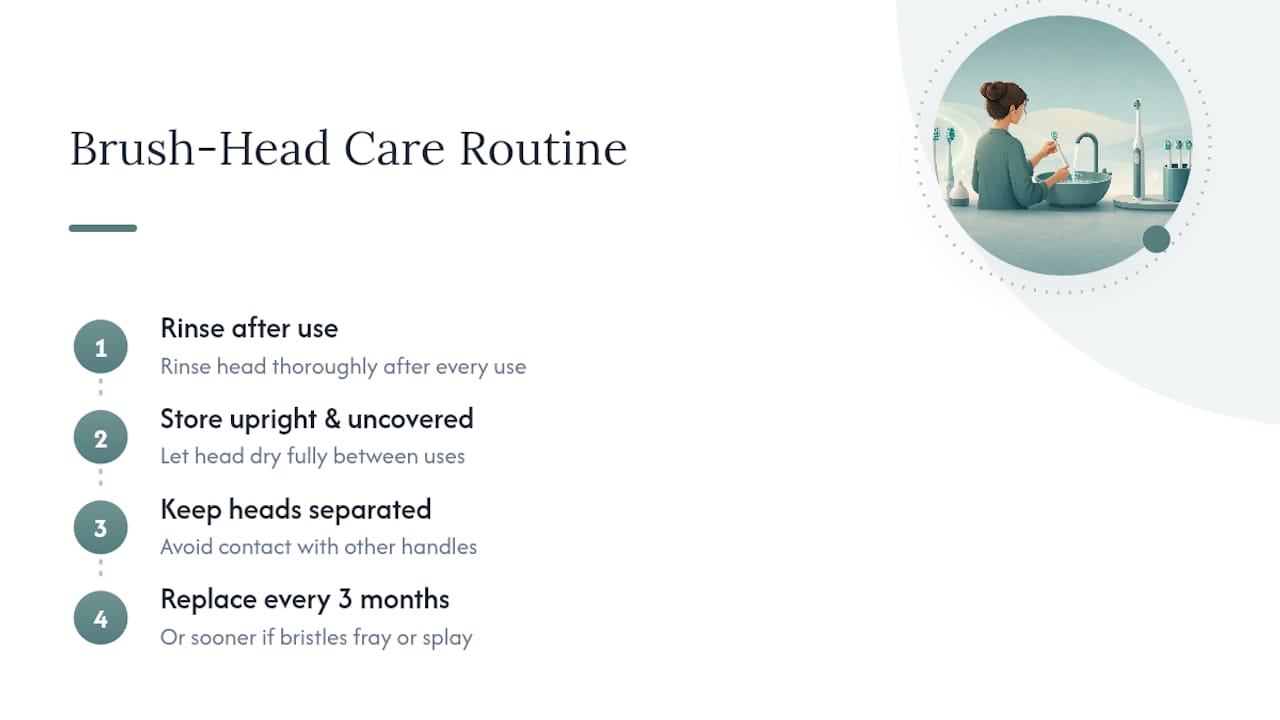
Three months is the standard replacement window most dental professionals recommend, and bristles that fray or splay earlier than that need swapping regardless of the calendar. Heavy brushing pressure wears bristles down faster, and stiffer nylon bristles tend to hold their shape longer than softer, more flexible ones.
Between replacements, rinse the head thoroughly after each use, store it upright and uncovered so it dries fully, and keep it away from other handles to avoid cross-contamination. A damp, enclosed brush cover is one of the fastest ways to breed bacteria on bristles that otherwise would last the full three months.
Some brands now publish material and recyclability information for their heads, which matters if you are trying to cut down on plastic waste. Check the packaging or product page for take-back programs before tossing a used head in the trash.
Why Y-Brush Replacement Heads Are Built for Straightforward Compatibility
Y-Brush designs its replacement heads to fit clearly labeled handle families rather than leaving customers to guess. The Clean240 head, for example, is built specifically for the Ultra and DuoBrush handles, and product pages spell out which handle generation each head matches before you buy.
A few things back that up:
- A Y-shaped mouthpiece head delivers a full clean in 20 seconds using sonic vibration across all tooth surfaces at once.
- Replacement heads are listed by handle line (Duo, Ultra, CleanMate) with compatibility stated directly on each product page.
- Subscription plans keep replacement heads arriving on schedule, so fit and timing stop being separate decisions you have to manage yourself.
That structure removes the guesswork that trips up buyers shopping generic “universal” heads on marketplace listings.
Who Actually Needs Interchangeable Heads Most?
Frequent travelers, parents managing several kids’ brushes, and anyone with sensitive gums benefit most from knowing exactly which heads fit their handle. Time-constrained users gain the most from a system with one clear compatibility chart rather than a shelf of guesswork options.
Run the fit checklist above before buying anything new. If convenience matters more than brand loyalty, a subscription plan removes the guessing entirely.
— Joris
Never Guess Your Brush Head Fit Again
Y-Brush replacement heads are built around one clear rule: match your handle line, and the head fits, no adapter or trial-and-error required. That is the real advantage over shopping loose “universal” heads online and hoping for the best.
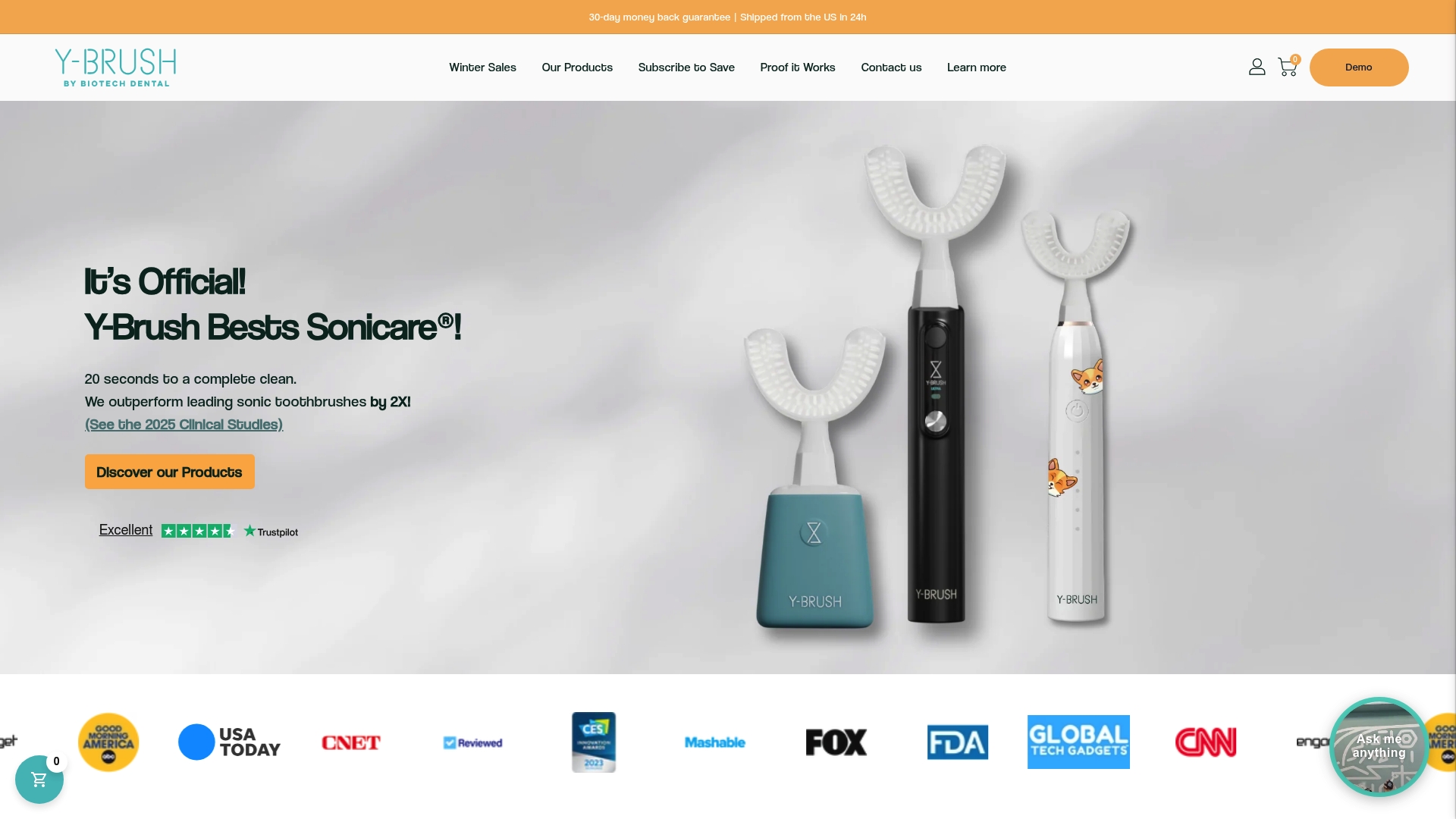
The Core Plan runs $29.90 per quarter, the Pro Plan runs $49.90 per quarter, and the Pro+2 Plan runs $69.90 per quarter, each shipping compatible replacement heads on a set schedule so you never end up brushing with frayed bristles. If you already own a Duo or Ultra handle, the Clean240 replacement head is built specifically for it. Check your handle model, then pick the plan that matches your household’s brushing pace on the Y-Brush toothbrush and plan page.
Verified Pages to Check Before You Buy
Confirm fit with the source, not a guess. Oral-B owners should start with the brand’s official fit guide, which lists every handle and matching head by name. Y-Brush owners can check compatibility directly on the Clean240 product page or browse the full Y-Brush toothbrush and brush head collection for handle-specific listings.
Sources
FAQ
Do Any Toothbrush Heads Fit All Handle Models?
No single head fits every handle. Connection types (snap-on, bayonet, magnetic) vary by brand and even by product line within the same brand, so fit always depends on matching your specific handle model.
Are All Spinbrush Heads Compatible With Each Other?
Spinbrush heads generally fit across the brand’s own battery-powered handle lineup, but they use a different shaft design than sonic or oscillating systems from other brands, so cross-brand compatibility is not expected.
Are All Oral-B Brush Heads Interchangeable?
No. Standard Oral-B handles (Pro, Vitality, Smart) share one snap-on shaft, but the iO series uses an exclusive magnetic connector that only fits iO handles, as confirmed on Oral-B’s own fit guide.
Are Oral-B and Sonicare Heads Interchangeable?
No. Oral-B uses a rotating snap-on or magnetic shaft, while Sonicare uses a fixed click-on connector, and the two shapes are not built to cross over.
Does Y-Brush Offer Replacement Heads for Its Handles?
Yes. Y-Brush sells replacement heads matched to specific handle lines, including the Clean240 head for Ultra and DuoBrush handles, with pricing detailed on the product page and through the Core, Pro, and Pro+2 subscription plans.


