


Short answer: electric toothbrushes are generally not eligible for FSA or HSA reimbursement in the United States, except in narrow, documented medical-necessity cases. This baseline comes from IRS Publication 502, which treats toothbrushes as personal-use items regardless of how advanced the technology is. A Letter of Medical Necessity can sometimes change the outcome, but plan administrators make the final call, and their decisions vary. Before buying, it helps to understand both the rule and the exception.
TL;DR:
- A clinician must sign and date the letter before or at purchase; it should name the diagnosis and explain why a standard toothbrush is inadequate.
- An exception is more plausible after oral surgery, with severe periodontal disease, or when a physical disability limits manual brushing.
- Keep an itemized receipt showing the model, purchase date, and cost breakdown; administrators may reimburse only the price difference between specialized and basic models.
- Check your plan’s rules before buying, because administrators interpret exceptions differently and retain final approval authority even when documentation appears complete.
- Dental exams, cleanings, imaging, fillings, crowns, root canals, orthodontics, and dentures generally qualify, while toothbrushes and replacement heads do not.
Table of Contents
- When Can an Electric Toothbrush Be Reimbursed?
- How to Submit an FSA or HSA Claim for an Electric Toothbrush
- Why IRS Rules Generally Exclude Toothbrushes
- Dental Expenses That Typically Qualify for FSA or HSA Funds
- Our Perspective on Better Oral Care Beyond FSA Coverage
- A Few Final Thoughts on Navigating FSA Rules
- Explore Y-Brush Toothbrush Options
- FAQ
- Sources
When Can an Electric Toothbrush Be Reimbursed?
A Letter of Medical Necessity, often called an LMN, is a signed clinical document that reclassifies an otherwise personal item as a treatment for a diagnosed condition. Without one, an electric toothbrush stays in the same category as floss or mouthwash: helpful for hygiene, but not a qualified medical expense under FSAFEDS guidance.

Some situations give an LMN a real chance of approval. Recovery from oral surgery, severe periodontal disease, or a physical disability that limits manual brushing are examples where a dentist might reasonably document medical need.
A valid LMN typically needs to include:
- A specific diagnosis tied to an oral health condition, not a general recommendation for better hygiene.
- Clear language connecting that diagnosis to the need for an electric toothbrush, rather than a standard one.
- The treating clinician’s signature and credentials.
- A date that falls before, or at the same time as, the purchase.
Administrators frequently reject letters that arrive after the purchase date or that use vague phrasing like “would benefit from.” They want to see the device named explicitly as part of a treatment plan.
Pro Tip: Ask your dentist to reference your exact diagnosis and explain, in one sentence, why a standard toothbrush would not adequately address it.
How to Submit an FSA or HSA Claim for an Electric Toothbrush
If you believe your situation qualifies, a methodical approach improves your odds of approval. Start by confirming your plan’s specific language, since some administrators are stricter than others even under the same federal framework.
- Review your Summary Plan Description or call your administrator to confirm how they handle oral-care exceptions.
- Obtain a dated Letter of Medical Necessity from your dentist or physician, if your situation applies.
- Purchase the toothbrush and keep an itemized receipt.
- Submit your claim along with the LMN and receipt through your plan’s portal or paper form.
- Follow up if you do not receive a response within the standard processing window.
Your receipt needs to show more than a total charge. Administrators generally look for the product name or model, the purchase date, and a cost breakdown. In some cases, especially when a standard version of the product exists, administrators will only reimburse the cost difference between the basic and specialized models rather than the full price.
Most plans accept claims through an online portal, though some still allow paper submissions by mail or fax. Processing typically takes a few business days to a few weeks. If your claim is denied, you can usually appeal by providing a more detailed LMN or clarifying documentation, but approval still depends on the administrator’s own interpretation of your Summary Plan Description.
Why IRS Rules Generally Exclude Toothbrushes
The legal foundation for all of this sits in Publication 502 (2025), which defines a qualified medical expense as one incurred primarily for the diagnosis, cure, mitigation, treatment, or prevention of disease. That standard is deliberately narrow.
Toothbrushes are named directly in federal guidance as personal-use items and are generally nondeductible, according to Publication 502 (2025). The same logic applies to toothpaste and floss: these are considered part of routine self-care rather than treatment for a specific condition, even when a dentist recommends daily use.
A few points worth keeping in mind:
- Dentist recommendations alone do not establish medical necessity in the IRS sense.
- The exclusion applies regardless of how effective or advanced the toothbrush is.
- Only documentation tying the device to a diagnosed illness or disability can move it into eligible territory.
This is the pivot point that trips up most consumers. A product can meaningfully improve oral health and still fail to meet the IRS definition of a medical expense, because the law is written around treatment of disease, not general wellness.
Dental Expenses That Typically Qualify for FSA or HSA Funds
While electric toothbrushes sit outside the standard eligibility list, plenty of dental care does qualify. FSAFEDS eligible expense guidance confirms that the following are generally covered:
- Routine dental exams and professional cleanings.
- X-rays and diagnostic imaging.
- Fillings, crowns, and root canals.
- Orthodontic treatment, including braces and clear aligners.
- Dentures and related fitting costs.
There are a few narrow exceptions worth knowing. Medicated toothpaste may qualify, but typically only for the cost difference above a standard tube, and only with supporting documentation. A Limited Expense Health Care FSA, or LEX HCFSA, extends coverage specifically to dental and vision costs, though it still excludes toothbrushes and toothpaste without an LMN, according to FSAFEDS LEX HCFSA guidance.
Replacement brush heads fall into the same ineligible category as the toothbrush itself. If daily hygiene products are what you are trying to cover, dental procedures remain the more reliable route for pre-tax spending.
Our Perspective on Better Oral Care Beyond FSA Coverage
We built Y-Brush around a simple observation: most people do not brush for the full two minutes dentists recommend, and that gap matters more for long-term oral health than whether a purchase qualifies for pre-tax reimbursement. Our toothbrush uses a Y-shaped head and sonic vibrations to clean teeth in a shorter time, with subscription options that include regular brush head refills.
A few habits help any electric toothbrush perform better over time:
- Replace brush heads every three months, or sooner if bristles fray.
- Rinse the head thoroughly after each use to prevent buildup.
- Store the handle upright to let it dry fully between uses.
Pro Tip: Keep your purchase receipt regardless of FSA eligibility. It is useful for warranty claims and for any future documentation if your dental needs change. Buying a more effective toothbrush does not alter IRS rules, so any reimbursement attempt still depends on your plan administrator’s own review.
A Few Final Thoughts on Navigating FSA Rules
The short version is this: electric toothbrushes rarely qualify for FSA or HSA funds, and the exceptions require real documentation, not just good intentions. If you think your situation might qualify, start with your plan’s Summary Plan Description and a conversation with your dentist before you buy. For everyone else, choosing a toothbrush that genuinely improves your routine matters more than chasing a reimbursement that may not come through.
— Joris
Explore Y-Brush Toothbrush Options
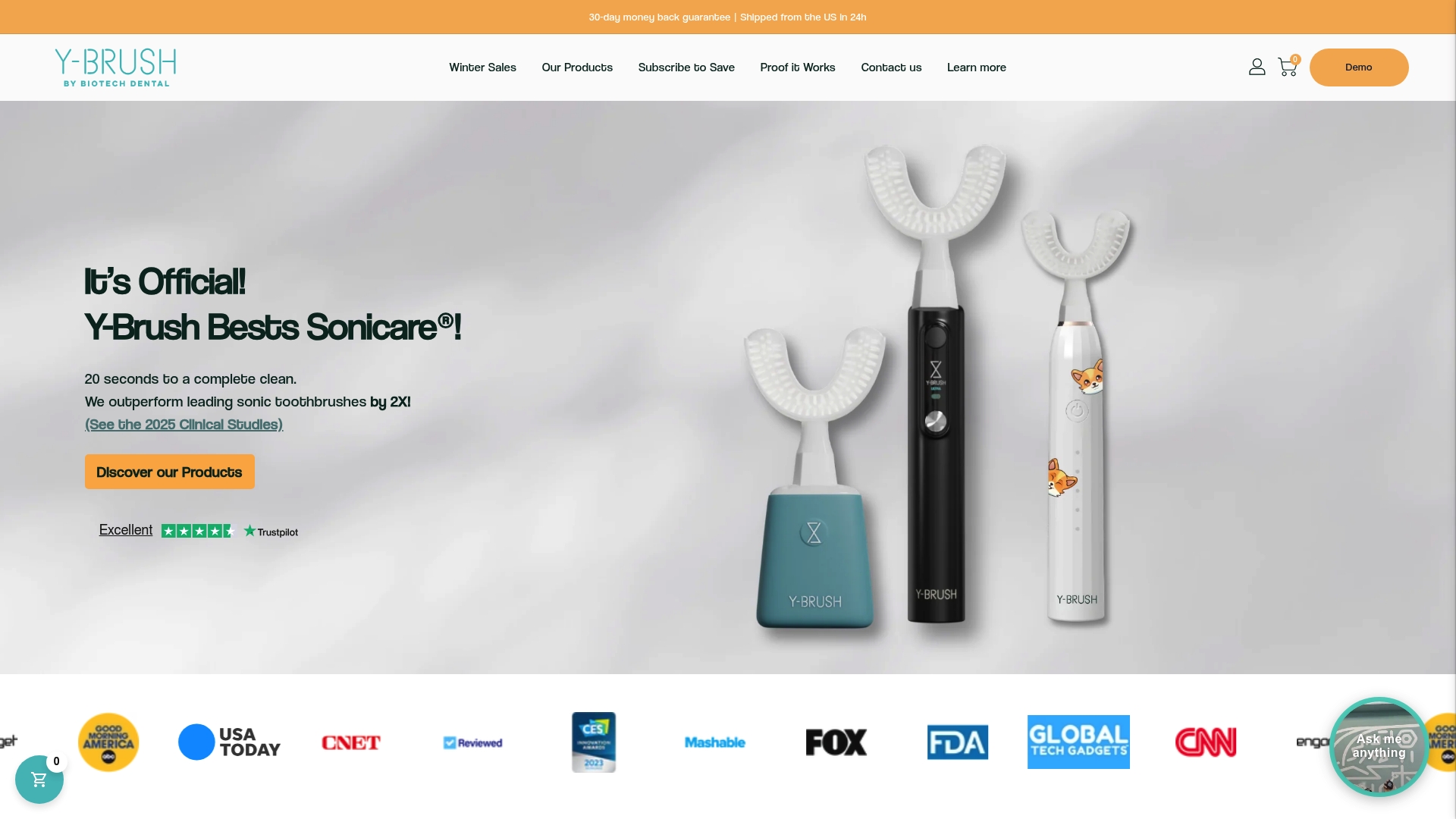
We offer three subscription tiers, the Core Plan, Pro Plan, and Pro+2 Plan, each built around our 20-second cleaning design and a lifetime warranty backed by ongoing refills.
- Browse our full toothbrush and brush head collection for subscription and replacement options.
- Review plan details before purchase to see which refill schedule fits your routine.
- Keep in mind that choosing any toothbrush, including ours, does not change FSA or HSA eligibility under current IRS rules.
FAQ
What is surprisingly FSA eligible?
Many over-the-counter items qualify that people assume need a prescription, including sunscreen, first aid supplies, and certain menstrual care products. Oral care items remain a notable exception, since IRS Publication 502 classifies toothbrushes and toothpaste as personal-use items.
Are replacement brush heads FSA eligible?
Replacement brush heads are treated the same as the toothbrush itself and are generally not eligible without a Letter of Medical Necessity. FSAFEDS guidance lists them alongside toothbrushes and toothpaste as excluded personal-care items.
Why isn’t an electric toothbrush FSA eligible?
Electric toothbrushes fall under the IRS definition of personal-use items because they are not primarily intended to diagnose, treat, or prevent a specific disease. This exclusion holds true even for advanced models, since effectiveness does not change the legal classification set out in Publication 502.
Is an electric toothbrush HSA eligible with a doctor’s note?
A doctor’s note alone is not enough; it needs to meet the formal requirements of a Letter of Medical Necessity, including a specific diagnosis and a dated signature. Even then, plan administrators have final discretion over whether to approve the claim.
Could oral care eligibility rules change in the future?
Industry groups such as the Consumer Healthcare Products Association are advocating for expanded FSA and HSA eligibility for oral care products. No legislative change has taken effect yet, so current IRS rules still apply.


