


Brushing before breakfast is generally the better habit; if you eat something acidic and want to brush afterward, wait a moderate time first. What matters most, though, is consistency: fluoride toothpaste, twice-daily brushing, and two full minutes each time. If you need a quick fix in between, rinse with water or chew sugar-free gum.
TL;DR:
- After acidic foods, wait a moderate time before brushing; one study found less enamel loss when brushing followed citric acid exposure by 60 minutes.
- Coffee, toast, and eggs do not require a delay before brushing, unlike highly acidic citrus drinks, soda, or vinegar based foods.
- People with dry mouth, frequent acid reflux, or regular citrus or soda breakfasts may choose to brush before eating and again after waiting.
- Brush twice daily for two minutes with fluoride toothpaste; floss beforehand, then spit out excess without rinsing to leave fluoride on your teeth.
Table of Contents
- Why brushing before breakfast helps your teeth
- Why brushing right after some breakfasts isn’t ideal
- How long to wait and what to do in the meantime
- Three realistic morning routines to choose from
- The basics that matter more than timing
- Making the routine actually stick
- A faster way to fit a full clean into your morning
- FAQ
- Sources
Why brushing before breakfast helps your teeth
While you sleep, saliva production slows down, and that drop lets bacteria multiply into a thin biofilm across your teeth. That buildup is part of what causes morning breath, and it sits on your enamel until something clears it away.
Brushing before you eat removes that overnight plaque and leaves a thin layer of fluoride on your teeth right as breakfast begins. According to the American Dental Association, fluoride toothpaste used twice daily is the core recommendation for lowering the risk of cavities and gum disease, and getting that layer in place before eating means it’s already working while you chew.
Brushing first thing also gives you a few practical advantages:
- Clears overnight bacterial buildup before it mixes with breakfast food.
- Leaves protective fluoride on enamel during your meal, not after.
- Fits more easily into a rushed morning since you’re not waiting on a timer before you can brush.
Why brushing right after some breakfasts isn’t ideal
Not every breakfast is equal when it comes to your enamel. Citrus fruit, orange juice, some smoothies, and anything made with vinegar or a heavy dose of soda all carry enough acid to temporarily soften the outer layer of your teeth.
That softened enamel is more vulnerable to the mechanical scrubbing of a toothbrush. A recent scoping review on brushing timing found that most evidence shows fluoride brushing doesn’t raise the risk of erosive tooth wear regardless of when you brush, but it also noted that some studies support delaying brushing after an acidic exposure, especially for people already prone to enamel wear.
An in situ study measuring toothbrush abrasion found significantly less enamel loss when brushing was delayed 60 minutes after a citric acid challenge, compared with brushing immediately (PubMed). That gap is the reason dentists suggest giving your enamel time to re-harden before you brush.

How long to wait and what to do in the meantime
If breakfast included something acidic, the Mayo Clinic and the AGD both recommend waiting a moderate time before you brush. That window gives saliva time to neutralize the acid and re-mineralize the enamel surface.
If you want to freshen up before that window closes, a few options work well:
- Rinse your mouth with plain water to help clear acid and loose food particles.
- Sip water throughout the morning to keep saliva flow active.
- Chew sugar-free gum, which stimulates saliva and speeds up the neutralizing process.
Not everything calls for a delay. Coffee is mildly acidic but far less erosive than citrus or soda, and plain toast or eggs carry essentially no acid, so there’s no need to wait before brushing after those. If your morning drink is the main variable, a closer look at how coffee’s acidity compares to other morning rituals can help you judge whether your routine needs any adjusting at all.
Pro Tip: Keep a glass of water by the sink. A quick sip right after breakfast buys you time without putting your enamel at risk.
Three realistic morning routines to choose from
You don’t need a complicated system, just one you’ll actually stick to. Here are three that work for most people:
- Brush before breakfast. This is the simplest and most protective option for most adults: it clears overnight plaque and leaves fluoride in place during the meal.
- Eat first, then wait a moderate time and brush. This suits people who want a completely clean mouth after eating and don’t mind the extra step of watching the clock.
- Brush before breakfast, then again after waiting. This fits people with a higher risk of enamel wear or cavities, such as those with dry mouth, frequent acid reflux, or a habit of starting the day with citrus or soda.
Whichever option you pick, the goal is the same: protect your enamel and keep plaque from building up, without adding so much friction that you skip brushing altogether.
The basics that matter more than timing
Timing is a secondary detail next to the fundamentals. The ADA recommends brushing twice a day for two full minutes with a fluoride toothpaste, and that single habit does more for your teeth than any precise scheduling around meals.
A few habits reinforce that foundation:
- Use a soft-bristle brush, or an electric one with a built-in timer and pressure sensor, to avoid under-brushing or scrubbing too hard.
- Floss before you brush so fluoride toothpaste can reach between teeth that flossing has already cleared.
- Spit out excess toothpaste after brushing, but skip a heavy water rinse so the fluoride stays on your teeth longer.
Pro Tip: If you tend to rush, set a two-minute timer on your phone. Most people underestimate brushing time by nearly half.
Making the routine actually stick
Most people don’t fail at oral hygiene because they pick the wrong order of brushing and breakfast. They fail because the routine they chose doesn’t survive a busy Tuesday morning. Pick one approach, whether that’s brushing first or waiting after an acidic breakfast, and build your morning around it instead of trying to optimize every day differently.
A few small habits make any routine easier to keep: store your toothbrush somewhere you’ll actually see it, keep sugar-free gum in a kitchen drawer for mornings when you can’t wait, and treat the two-minute mark as non-negotiable even when timing before or after breakfast feels flexible.
— Joris
A faster way to fit a full clean into your morning
If two minutes of brushing is the part that keeps slipping, the shape of your toothbrush might be the obstacle. Our brush head is designed to clean all your teeth surfaces at once using sonic vibrations, so a full clean can take much less time than the full two minutes a standard brush requires.
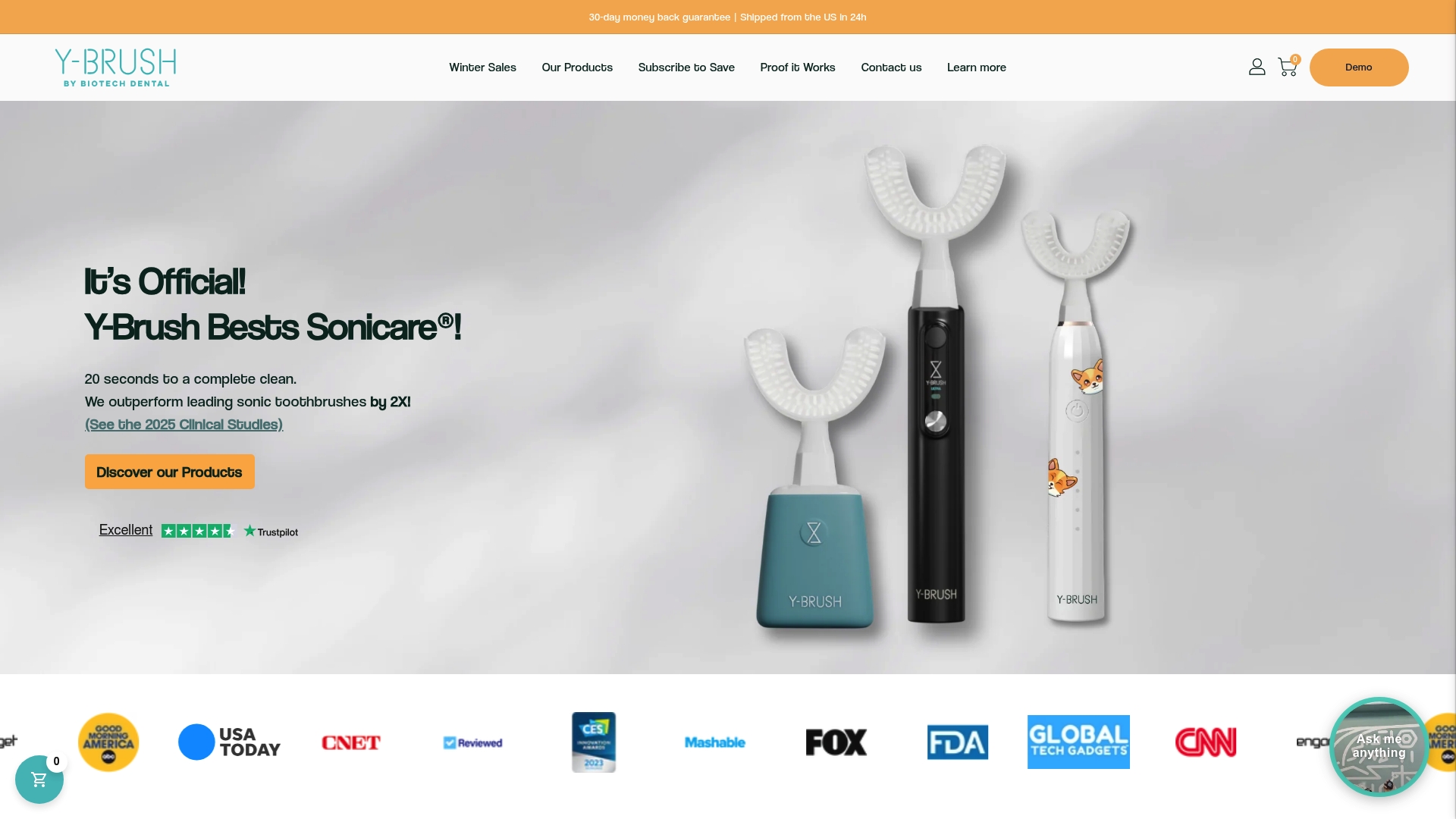
That shorter routine can make it easier to brush before breakfast without feeling rushed, since there’s less time pressure working against you. We offer the toothbrush itself along with replacement brush heads for ongoing use, and three subscription options on our toothbrush and plan page: the Core Plan, the Pro Plan, and the Pro+2 Plan, each delivering regular refills at $29.90, $49.90, and $69.90 per quarter.
If mornings are the hardest part of your oral care routine, take a look at which plan fits your household and get started.
This article is general information, not a substitute for advice from a qualified doctor. Consult a qualified healthcare professional about your own circumstances before acting on anything here.

FAQ
How long should you wait after brushing before eating or drinking?
There’s no universal rule requiring a wait after brushing, but giving fluoride toothpaste a few minutes to sit on your teeth before rinsing with food or drink helps it work longer. If you brushed before breakfast, eating right away is fine since the fluoride is already protecting your enamel.
How often should you visit the dentist?
Most dental guidance recommends a checkup and cleaning twice a year, though your own schedule may vary based on your personal risk for cavities or gum disease. Your dentist is the best source for a schedule suited to your specific mouth.
What destroys teeth the most?
Frequent exposure to acids and sugars, paired with inconsistent brushing, does the most damage to enamel over time. Acidic drinks like soda and citrus juice combined with brushing immediately afterward can add mechanical wear on top of that chemical softening, according to the AGD.
What is the 3-3-3 rule for brushing teeth?
Definitions of this rule vary across sources, so there’s no single dental authority that defines it consistently. If you come across it, treat it as a general reminder rather than a clinical guideline, and rely on the ADA’s twice-daily, two-minute recommendation instead.
Is it bad to brush right after eating?
It depends on what you ate. Acidic foods and drinks can temporarily soften enamel, and the Cleveland Clinic recommends waiting a moderate time before brushing in that case, while low-acid foods like toast or eggs don’t require any delay.


