


TL;DR:
- Long-lasting electric toothbrushes use sonic vibration technology, lithium-ion batteries, and efficient charging methods so they can last from 30 days up to nine months on a single charge. Sonic models are more energy-efficient and quieter than oscillating ones, especially with standard-use habits. Consumers should choose models based on their routine, travel habits, and preferred charging methods, such as USB-C for travel convenience.
Electric toothbrush battery life is defined as the total usage time a fully charged model delivers before requiring a recharge. Knowing which adult toothbrush models have the longest battery life matters more than most shoppers realize. Battery performance now ranges from roughly two weeks on entry-level models to an extraordinary nine months on the most advanced rechargeable designs. That gap is wide enough to change how you travel, how often you think about charging, and whether your brush is actually ready when you need it. The industry standard for battery life ratings assumes twice-daily brushing at two minutes per session, so every figure you see is built on that baseline.
Which adult toothbrush models have the longest battery life?
The current leader in rechargeable toothbrush lifespan is the BURST Pro 2.0 Sonic Toothbrush, which delivers up to 9 months on a single charge. That figure is not a marketing estimate. It is based on the standard twice-daily, two-minute brushing protocol used across industry testing. Nine months between charges means most adults will recharge this brush fewer than two times per year.
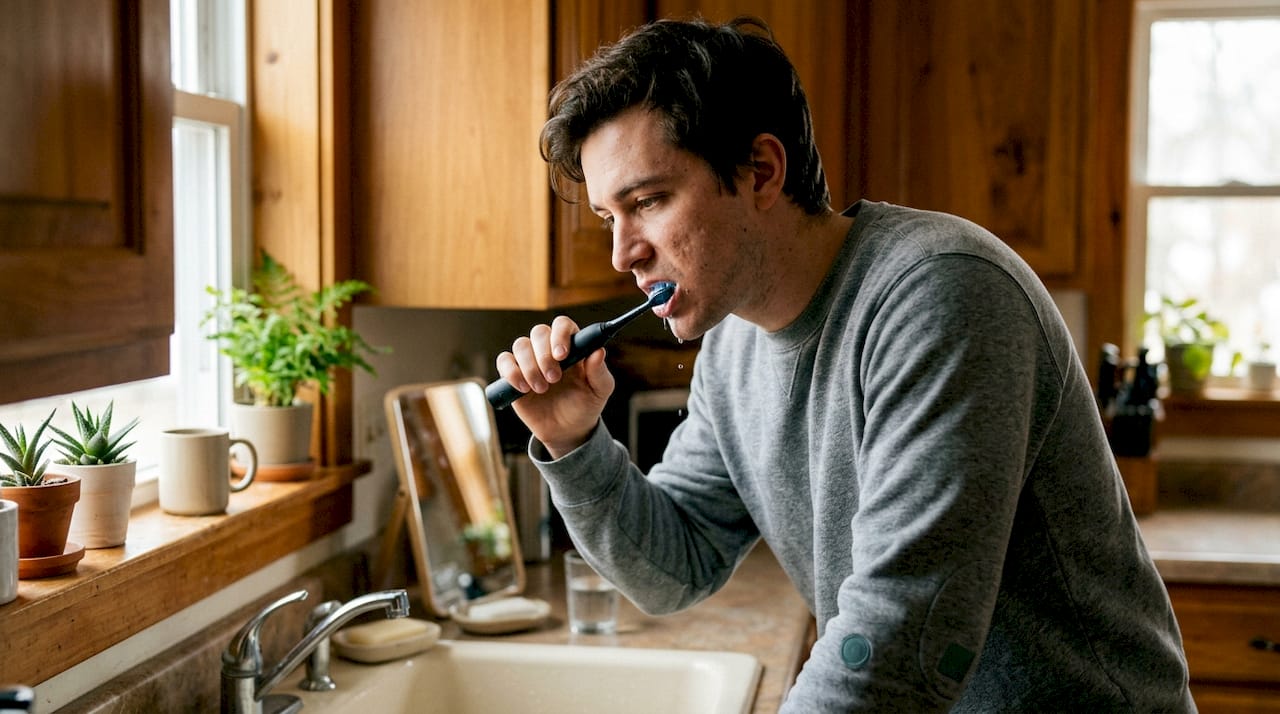
For consumers who want strong battery endurance without waiting at the top of the price range, the Porodo Electric Toothbrush (model PDLFST905WH) offers up to 100 days of battery life from a three-hour USB-C charge. That is roughly three months of daily use from a single afternoon of charging. The USB-C standard also means you can top it up with the same cable you use for your phone or laptop.
The SURI 2.0 sits in a practical middle tier, offering over 30 days per charge with wireless charging and a slim profile. Thirty days is enough to cover most international trips without packing a charging dock. Its wireless charging method removes the friction of finding a compatible cable entirely.
Here is a quick reference for how these models compare across the metrics that matter most to adult consumers:
| Model | Battery Life | Charging Method | Best For |
|---|---|---|---|
| BURST Pro 2.0 | Up to 9 months | Standard charger | Minimal charging, home use |
| Porodo PDLFST905WH | Up to 100 days | USB-C (3 hours) | Travel, frequent flyers |
| SURI 2.0 | 30+ days | Wireless | Busy schedules, minimalists |
| Entry-level sonic models | 14–30 days | Proprietary charger | Budget-conscious buyers |
The top models for longevity share one common trait: they all use sonic vibration technology rather than oscillating mechanisms. That distinction is not cosmetic. It directly affects how efficiently the motor uses stored energy.
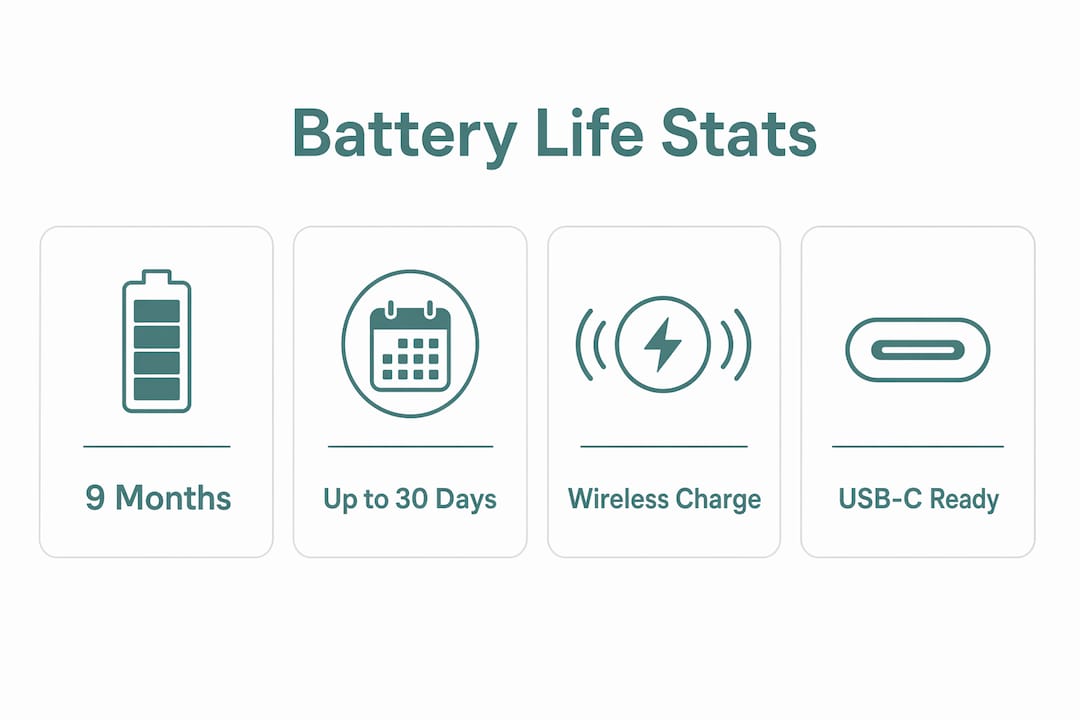
Pro Tip: If you travel internationally more than four times per year, prioritize USB-C charging over proprietary dock chargers. USB-C cables are universally available, and a three-hour charge that lasts 100 days eliminates the need to pack a separate charging unit.
How does sonic technology affect battery life?
Sonic toothbrushes provide longer battery life and are quieter and gentler on gums than oscillating models. The reason comes down to motor mechanics. Sonic brushes generate high-frequency vibrations, typically in the range of 19,000 or more strokes per minute, using a relatively low-draw motor. Oscillating brushes rotate a brush head back and forth, which requires more torque and draws more power per cycle.
Real-world usage patterns shift these numbers significantly. Battery life ratings are based on ideal use: twice-daily two-minute brushing. Running a high-intensity or whitening mode for extended sessions drains the battery faster than the advertised figure suggests. This means a brush rated for 100 days under standard conditions might deliver 60–70 days for someone who brushes longer or uses premium modes daily.
Several factors accelerate battery drain beyond what the spec sheet shows:
- High-intensity cleaning modes draw more current per session than standard modes
- Extended brushing time beyond two minutes adds proportional drain
- Cold storage temperatures reduce lithium-ion cell efficiency temporarily
- Infrequent full discharge cycles can reduce long-term battery capacity over months
Sonic toothbrush batteries are engineered for the quiet, consistent vibration pattern that defines the technology. That consistency is exactly what makes them more efficient. A brush that vibrates at a steady frequency uses energy more predictably than one that changes direction repeatedly. Users who stick to standard modes and two-minute sessions will consistently get closer to the advertised battery life than those who experiment with higher settings.
The sonic models with extended battery also benefit from lithium-ion cell improvements that have accelerated since 2023. Modern lithium-ion cells hold charge more reliably across hundreds of cycles, which means the battery life you get in year two of ownership stays closer to what you experienced in month one.
What other features should you balance with battery longevity?
Battery life does not exist in isolation. Industry reviews recommend balancing battery longevity with features like pressure sensors and professional cleaning modes, because some engineering choices that extend battery life require trade-offs elsewhere. Understanding those trade-offs helps you choose a brush that fits your actual oral health needs, not just your charging schedule.
Pressure sensors are one of the most clinically valuable features on adult toothbrushes. They alert you when you are pressing too hard, which protects enamel and gum tissue over time. However, pressure sensors require additional circuitry and a small but real power draw. A brush with an active pressure sensor will drain slightly faster than an identical model without one.
Cleaning modes present a similar calculation. Most premium adult brushes offer between two and five modes: standard, sensitive, whitening, gum care, and tongue cleaning. Each mode above standard draws more power. A brush rated for 60 days in standard mode might deliver 40 days if you use whitening mode for every session.
Timers and quadrant alerts are low-power features that add almost no measurable drain. The two-minute timer with 30-second quadrant alerts is a dentist-recommended standard, and it costs virtually nothing in battery terms. Prioritizing this feature over battery life is never a meaningful trade-off.
Pro Tip: Choose a brush with at least a standard mode and a sensitive mode. Use sensitive mode for the first two weeks after any dental procedure or whitening treatment. This protects healing tissue without sacrificing the plaque removal that keeps your oral health on track.
The best long-lasting adult toothbrushes tend to offer two to three modes rather than five or six. Fewer modes means less circuitry, lower power draw, and a longer charge cycle. For most adults, standard and sensitive modes cover every realistic brushing scenario.
How to choose a long-lasting toothbrush that fits your lifestyle
Selecting the right model requires matching battery specs to your actual behavior, not the ideal scenario printed on the box. Follow this checklist before you buy:
- Calculate your real brushing frequency. If you brush twice daily at two minutes, the advertised battery life applies directly. If you brush three times daily or use extended modes, reduce the advertised figure by 30–40% to estimate your actual cycle.
- Assess your travel pattern. Travelers who take more than one trip per month benefit most from USB-C charging and batteries rated above 60 days. A portable sonic toothbrush with USB-C charging eliminates the need for a dedicated charging dock in your carry-on.
- Check the charging case. Some models include a travel case that doubles as a charger. This feature adds convenience but also adds weight. Decide whether that trade-off suits your packing style.
- Review the warranty on the battery. Premium models typically offer a two-year warranty that covers battery performance. A brush whose battery degrades significantly within the warranty period should be replaceable at no cost.
- Match the charging method to your home setup. Wireless charging is convenient if you have a charging pad already on your bathroom counter. USB-C is better if you travel frequently. Proprietary dock chargers are the least flexible option and the hardest to replace if lost.
- Consider long-term brush head replacement. A brush with excellent battery life but unavailable replacement heads becomes useless within three months. Confirm that replacement heads are stocked before committing to a model.
The electric toothbrush battery comparison between models ultimately comes down to matching specs to habits. A nine-month battery life is impressive, but it only benefits you if the brush also delivers the cleaning performance your oral health requires.
Key Takeaways
The adult toothbrushes with the longest battery life combine sonic motor technology, lithium-ion cells, and efficient charging methods to deliver anywhere from 30 days to 9 months of use per charge.
| Point | Details |
|---|---|
| Top battery life reaches 9 months | The BURST Pro 2.0 leads the category with up to 9 months on a single charge. |
| USB-C charging adds travel value | Models like the Porodo PDLFST905WH charge fully in 3 hours and last up to 100 days. |
| Sonic motors are more efficient | Sonic vibration draws less power per session than oscillating mechanisms, extending battery cycles. |
| Real-world use reduces rated life | High-intensity modes and longer sessions can reduce actual battery life by 30–40%. |
| Balance features with power draw | Pressure sensors and multiple cleaning modes add value but increase energy consumption per charge. |
Why battery life is the most underrated toothbrush spec
I have spent years watching consumers obsess over bristle softness and vibration speed while completely ignoring the battery spec. Then they call a toothbrush “unreliable” because it died mid-trip. The brush did not fail. The buyer did not read the label.
The shift toward long-battery models is real and accelerating. Consumers are finally treating rechargeable toothbrush lifespan the way they treat phone battery life: as a primary purchase criterion. That is the right instinct. A brush you forget to charge is a brush you do not use, and a brush you do not use cannot protect your oral health.
What I find most telling is the USB-C adoption trend. When a toothbrush charges on the same cable as your laptop, the friction of remembering to charge it drops to near zero. That behavioral change matters more than the raw battery figure. The best electric toothbrush battery life is the one that fits so naturally into your routine that charging never becomes a reason to skip brushing.
— Joris
Y-brush: built for the way you actually live
Effective oral care should not depend on whether you remembered to charge your toothbrush last night. Y-brush designs its sonic toothbrushes around real-world convenience, including strong battery endurance that keeps up with busy schedules and frequent travel.
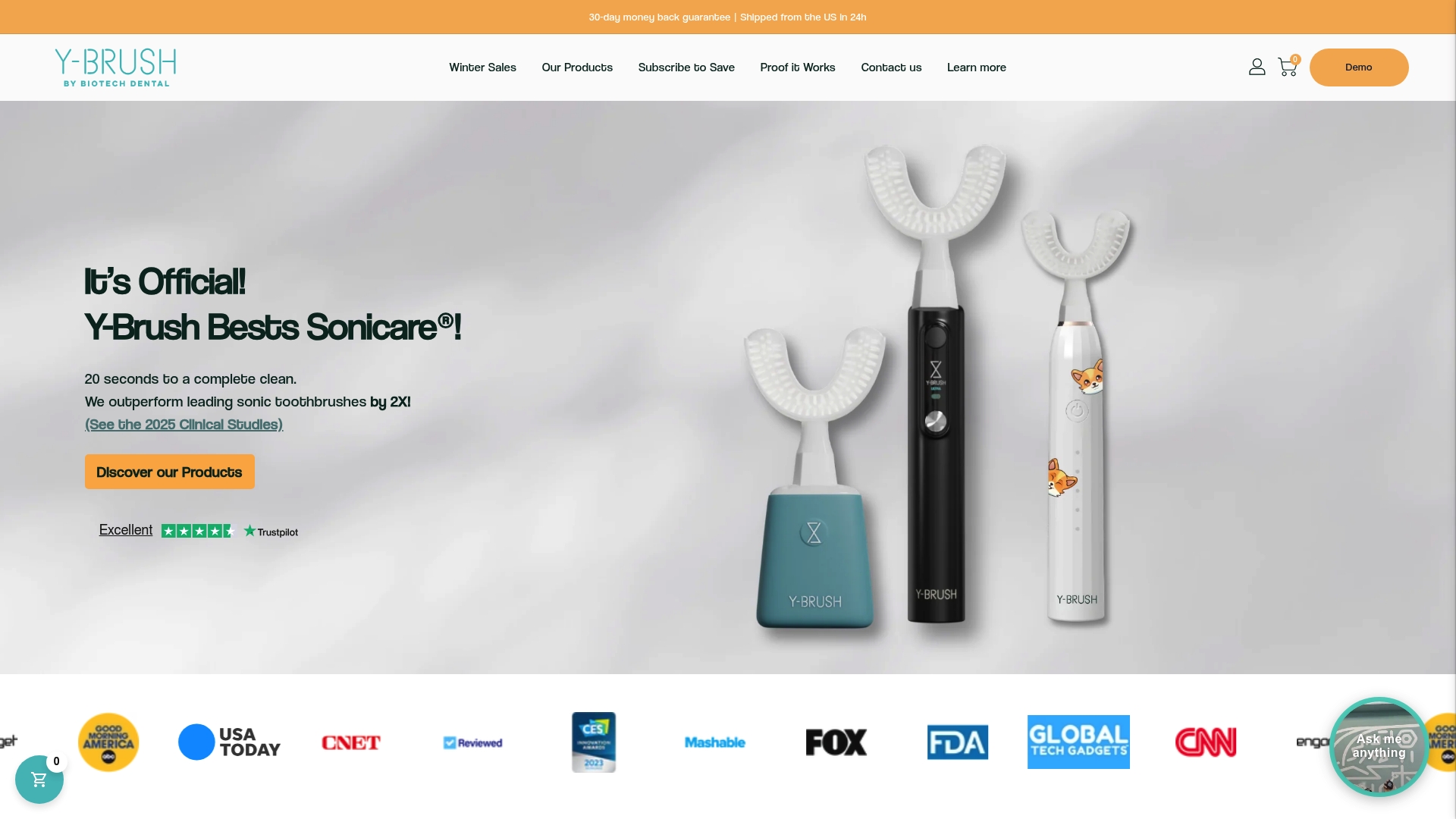
The Y-brush Essential Sonic Toothbrush delivers a clinically proven clean in just 20 seconds, using full-arch sonic technology that removes plaque without the two-minute commitment most adults skip anyway. For those who want the most advanced performance, the Y-brush Ultra Sonic Toothbrush combines enhanced sonic power with a design built for daily use and travel. Both models are engineered to fit into your life, not demand that your life reorganize around them.
FAQ
What is the longest battery life available in an adult toothbrush?
The BURST Pro 2.0 Sonic Toothbrush currently offers up to 9 months on a single charge, based on twice-daily two-minute brushing. That is the longest battery life available in a consumer adult toothbrush as of 2026.
Why do sonic toothbrushes last longer on a charge than oscillating models?
Sonic toothbrushes use a lower-draw motor that generates high-frequency vibrations more efficiently than the rotational mechanism in oscillating brushes. This battery efficiency advantage translates directly into longer charge cycles under equivalent usage conditions.
Do extra cleaning modes reduce battery life?
Yes. High-intensity and whitening modes draw more current per session than standard mode. Real-world battery drain from premium modes can reduce the advertised battery life by a meaningful margin, so factor in your preferred mode when comparing models.
Is USB-C charging better for travel than a proprietary dock?
USB-C is the better choice for travelers because the cable is universally available and the charger is not a dedicated unit you can forget at home. Models like the Porodo PDLFST905WH combine USB-C with a 100-day battery, making them well suited for extended trips.
How do I extend the lifespan of my toothbrush battery over time?
Avoid storing the brush in extreme heat or cold, use standard mode for routine sessions, and allow the battery to discharge fully once every few months before recharging. These practices help maintain lithium-ion cell capacity across hundreds of charge cycles.


