


For most people with braces, a compact orthodontic brush head paired with an interproximal brush and careful technique gives the best protection. The American Association of Orthodontists recommends a multi-tool routine, and the American Dental Association sets the replacement schedule. Power brushes tend to reduce plaque in patients with fixed appliances.
TL;DR:
- Power toothbrushes tend to reduce plaque and gum inflammation scores versus manual brushing with fixed braces, though no single head reaches every surface.
- Choose a compact, soft or extra soft head that fits your handle; specialized designs help most with crowded teeth or bulky brackets.
- Angle the brush 45 degrees toward the gumline, clean above and below each bracket with light pressure, then use an interproximal brush and floss threader.
- Replace brush heads at least every three months or sooner if bristles fray; braces can wear them faster, so check for splayed bristles monthly.
Table of Contents
- What orthodontic brush heads are and what each one reaches
- Do you need special orthodontic brush heads?
- How to choose a brush head for braces: a practical checklist
- Step-by-step technique to clean around brackets and wires
- Adjunct tools that work with brush heads
- When to replace brush heads
- Evidence and expert guidance summary
- Why daily habits beat gadget shopping
- How our brush heads and subscription plans simplify orthodontic oral care
- FAQ
- Sources
What orthodontic brush heads are and what each one reaches
Orthodontic brush heads come in a few common designs, and knowing them helps you read packaging and replacement listings with confidence.
Compact round heads for electric handles are the most common. Their small footprint lets bristles sit right against the bracket instead of bumping over it. Manual and some power heads use a V-cut, where a channel runs down the center so bristles hug both sides of the bracket at once. Multi-tier heads layer bristles at different heights to cover the tooth surface and the gum line in one pass.
Interproximal and single-tuft attachments are the specialists. They reach the narrow gap between a wire and a tooth, where a full-size head cannot go.
The trade-off is simple: a smaller head gives better access, while multi-tier bristles give better surface coverage. Many people with braces use both types, a compact head for daily brushing and a small interproximal tool for targeted cleanup.

Do you need special orthodontic brush heads?
Usually, a well-chosen head helps, but it is not the whole story. Clinical guidance notes that power toothbrushes tend to reduce plaque and gingival index scores in patients with fixed orthodontic appliances compared with manual brushing. Laboratory and clinical research points the same way: electric brushes generally clean the areas between teeth near brackets better than manual brushes, though no single head reaches every surface.
A specialized head adds the most value when your teeth are crowded or your brackets are bulky. If your teeth are well spaced and your brackets are small, a compact regular head can work fine. What decides the result is technique and the adjuncts you pair with the head, such as floss threaders and interproximal brushes. A premium head used in a rushed pass will lose to a basic head used patiently.
How to choose a brush head for braces: a practical checklist
Use this checklist while you shop, so each purchase actually improves your hygiene:
- Handle compatibility: Confirm the head fits your specific electric handle and that refills stay available for your model.
- Head size and shape: Pick a compact orthodontic head or a smaller round head so the bristles can reach around brackets.
- Bristle softness: Choose soft or extra-soft bristles to protect gums and enamel near the hardware.
- Design features: Look for V-cut bristles, multi-tier layouts or single-tuft attachments if you struggle to clean between teeth.
- Replacement cadence: Buy multi-packs or use a subscription so you can follow the ADA guidance to replace heads at least every three months.
- Professional input: Ask your orthodontist which head and size they recommend, since they know your bracket layout.
One more practical note: bristle firmness matters more with braces than without. Hard bristles do not clean better, they just wear gums and can scuff hardware, so softer is almost always the smarter pick.
Step-by-step technique to clean around brackets and wires
Brush thoroughly each session, and spend your effort above, below and on the brackets themselves.
- Set up. Attach your compact head and choose a gentle mode if your electric handle has one. Use fluoride toothpaste.
- Work in sequence. Clean the outer surfaces first, then the inner surfaces, then the chewing surfaces. Finish with the bracket-facing details.
- Spend enough time on each tooth face to clean it carefully. Hold the head toward the gum line, then angle it above and below each bracket. The study describes a brushing method using a 45-degree angle.
- Mind your pressure. Use light pressure, but make sure the bristles actually touch the surface. An in-vitro study of electric brush heads found that cleaning around brackets varied by head design and brushing force, and that most brushes cleaned the proximal areas better with slightly higher force.
- Finish between teeth. Use a floss threader or an interproximal brush under the wire, and add a fluoride rinse if your orthodontist advises it.
Pro Tip: If you cannot brush after a meal, rinse vigorously with water and brush as soon as you can. Keep a travel interproximal brush in your bag.
Adjunct tools that work with brush heads
A brush head alone cannot get everywhere. The American Association of Orthodontists advises combining brushes with interproximal brushes and floss threaders because toothbrushes cannot reach every space around wires and brackets.
- Interproximal brushes: These tiny brushes clear debris from under the wire and between brackets. Choose a size that fits the gap with slight resistance, not force.
- Floss threaders and orthodontic floss: A threader guides floss under the wire so you can clean the sides of each tooth.
- Oral irrigators: A water flosser flushes loose debris from around hardware. Ask your orthodontist whether a fluoride rinse is appropriate in the reservoir.
A simple routine: brush thoroughly, use the interproximal brush at each bracket, thread floss between teeth, then finish with the irrigator if you own one.
When to replace brush heads
The American Dental Association recommends replacing toothbrush heads at least every three months, or sooner if they become frayed. With braces, treat that as a baseline, since hardware tends to wear heads out faster. Watch for splayed bristles, less contact with the tooth surface and a dull feel. A subscription or a recurring calendar reminder keeps you from missing a swap.

Evidence and expert guidance summary
The guidance lines up well. The American Association of Orthodontists endorses a multi-tool routine, and the American Dental Association sets the three-month replacement baseline. Clinical guidance holds that power brushes tend to outperform manual brushes on plaque and gingival scores in people with fixed appliances.
Laboratory research adds a caution: no single head cleans every surface, so technique and adjunct tools matter. A small randomized crossover trial also found that microcurrent-emitting toothbrushes reduced plaque in orthodontic patients, although the authors note that their place in routine care needs more study. Your orthodontist remains the best source for advice tailored to your appliance.
Why daily habits beat gadget shopping
I think people with braces spend too much time comparing heads and too little time on the two minutes that follow. A compact head and an interproximal brush will serve you well if you use them every day. Here is a checklist worth adopting:
- Brush thoroughly as part of your morning and evening routines.
- Rinse or brush after meals.
- Clear each bracket with an interproximal brush.
- Replace the head every three months.
- Ask your orthodontist to check your technique.
Consistency wins, and the gear only has to be compatible and in good shape.
— Joris
How our brush heads and subscription plans simplify orthodontic oral care
Worn heads are the easiest oral care problem to prevent, and we built our plans around that. Our replacement heads and refill plans mean a fresh head arrives on schedule, so you follow the three-month baseline without tracking it yourself. You can explore our Pro+2 Plan for another option.
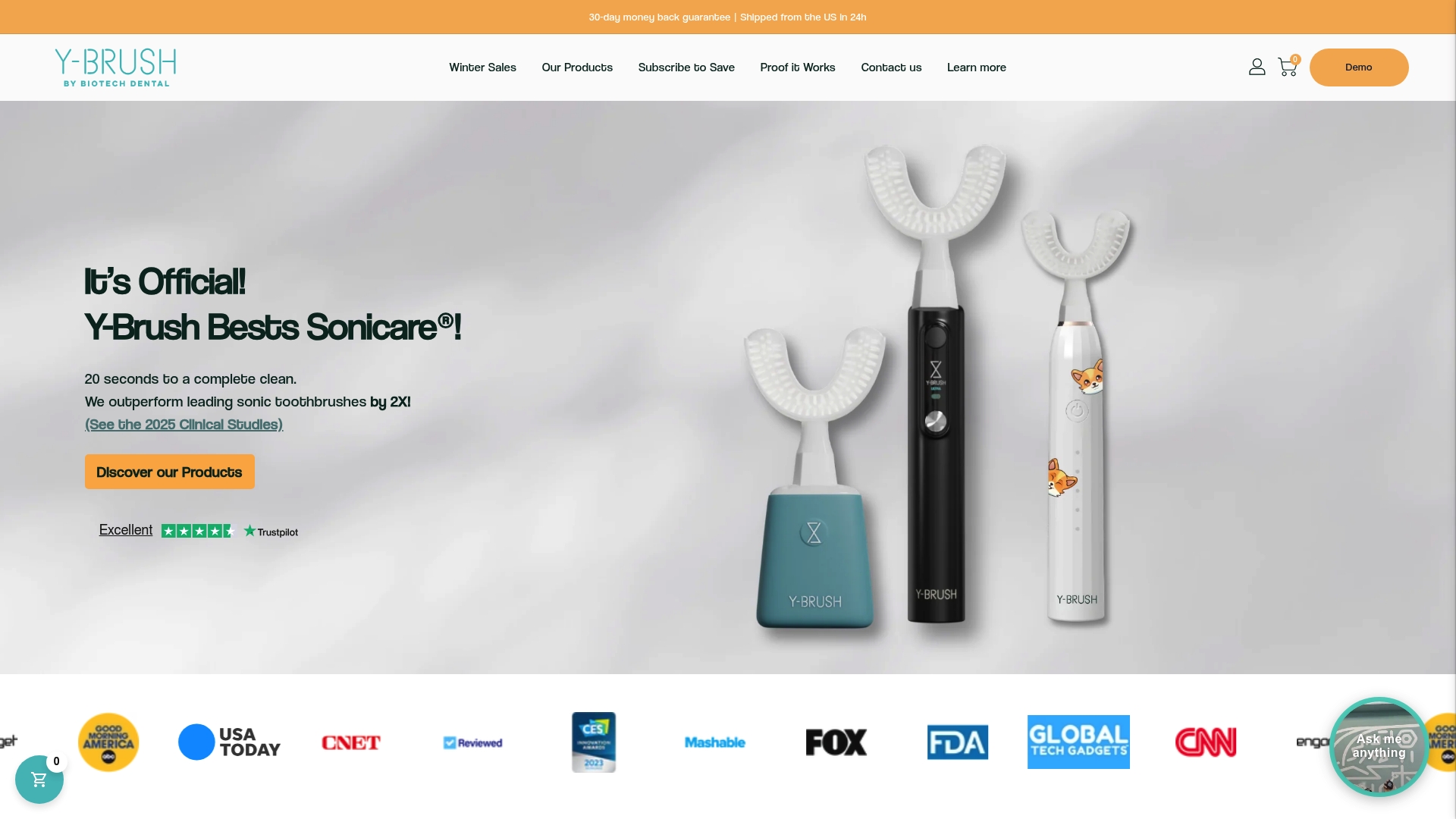
Our plans run quarterly: the Core Plan costs $29.90 per quarter, the Pro Plan $49.90 per quarter and the Pro+2 Plan $69.90 per quarter. Our Y-shaped heads are designed to make brushing feel quicker on days when braces make oral care feel slow. You can browse every option on our toothbrush and plan collection, or see all brush heads and accessories if you only need replacements today.
FAQ
How long do toothbrush heads last?
Plan on replacing a head at least every three months, or sooner if the bristles fray. The American Dental Association gives this baseline. With braces, heads often wear faster, so check them monthly.
What type of toothbrush is best for braces?
A power toothbrush with a compact, soft-bristled head is a strong choice. Power brushes tend to lower plaque and gingival scores in people with fixed appliances. Pair it with an interproximal brush for the gaps the head cannot reach.
What are the different types of orthodontic devices?
Common devices include fixed braces with brackets and wires, clear aligners, retainers and palatal expanders. Fixed appliances trap the most plaque, so they call for the multi-tool cleaning routine described above. Ask your orthodontist which care steps fit your device.
Do I still need floss if I use an electric brush?
Yes. Even the best head cannot reach every surface, and the American Association of Orthodontists advises combining brushing with interproximal brushes and floss threaders. A threader lets floss pass under the wire.


